Pakistan Launches Airstrikes on Kabul After Afghan Border Attack
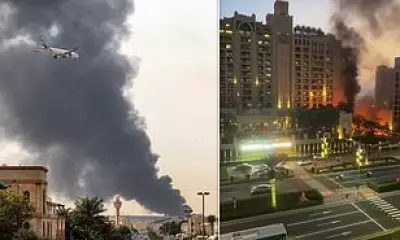
Pakistan carried out airstrikes in Kabul and two other Afghan provinces early Friday, according to Afghanistan's government spokesperson, marking a severe escalation in violence between the volatile neighbours. This action came just hours after Afghanistan launched a cross-border attack on Pakistani troops, making a Qatar-mediated ceasefire appear increasingly fragile and unstable.
Details of the Airstrikes and Border Clashes
At least three explosions were reported in Kabul, though the exact locations and potential casualties remain unclear. Government spokesperson Zabihullah Mujahid confirmed that Pakistan also targeted Kandahar to the south and the south-eastern province of Paktian. Pakistan's interior minister, Mohsin Naqvi, stated on Friday that these strikes were a "befitting response" to what he called "open aggression" by the Afghan Taliban.
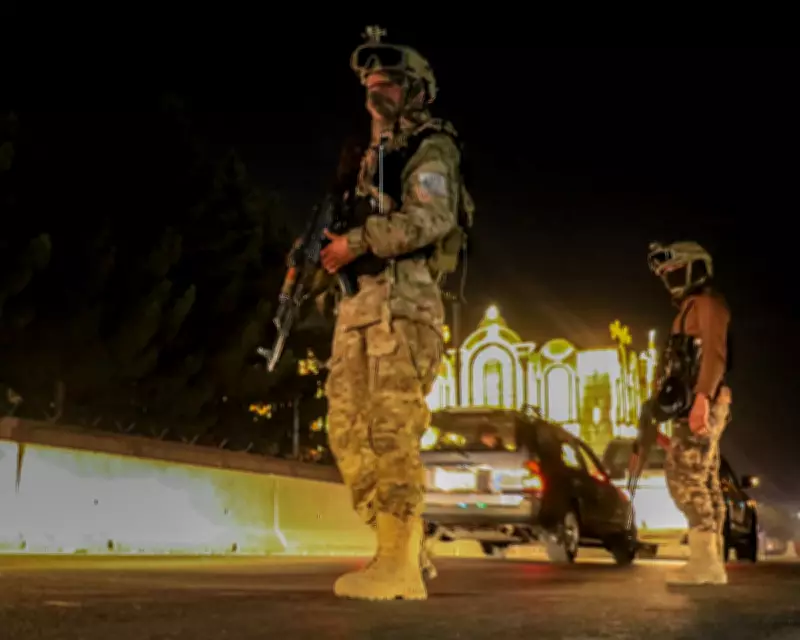
Afghanistan's military initiated its attack across the border into Pakistan late on Thursday, claiming it was retaliation for deadly Pakistani airstrikes on Afghan border areas the previous Sunday. Afghan authorities asserted they captured more than a dozen Pakistani army posts during this offensive. However, Pakistan's government dismissed these claims, labelling Thursday's Afghan attack as unprovoked and describing last Sunday's airstrikes as targeting militants harboured in the region.

Conflicting Casualty Reports and Border Tensions
Casualty figures from the clashes vary significantly between the two sides. Afghanistan's Defence Ministry reported that 55 Pakistani soldiers were killed, with some bodies taken into Afghanistan and others captured alive, while admitting eight of its own killed and 11 wounded. The ministry also claimed to have destroyed 19 Pakistani army posts and two bases, with fighting ending at midnight after about four hours.
In contrast, Pakistan's information minister, Attaullah Tarar, stated that only two Pakistani soldiers were killed and three wounded, with 36 Afghan fighters reported dead. Mosharraf Ali Zaidi, spokesperson for Pakistan's prime minister Shehbaz Sharif, denied that any Pakistani soldiers had been captured, further highlighting the discrepancies in official accounts.
Civilian Impact and Evacuations
The violence has severely impacted civilians on both sides of the border. In Afghanistan, authorities evacuated a refugee camp near the Torkham border crossing after several refugees were wounded. Qureshi Badlon, head of Torkham's Information and Public Awareness Board, noted that the Defence Ministry reported 13 civilians wounded in a missile strike on the camp, including women and children.
On the Pakistani side, local police indicated that residents were evacuating to safer areas, and some Afghan refugees waiting to cross back into Afghanistan were moved to secure locations. This follows Pakistan's sweeping crackdown on migrants in October 2023, which led to the expulsion of hundreds of thousands of people. Pakistani police also reported mortars fired from Afghanistan landing in nearby villages, though no civilian casualties were confirmed.
Historical Context and Ceasefire Challenges
The 2,611km long border, known as the Durand Line, remains a point of contention as Afghanistan has not formally recognised it. Tensions have been high for months, with deadly border clashes in October killing dozens of soldiers, civilians, and suspected militants. Previous violence included explosions in Kabul that Afghan officials blamed on Pakistan, prompting Islamabad to conduct strikes deep inside Afghanistan targeting militant hideouts.
A Qatari-mediated ceasefire has largely held but has been punctuated by occasional cross-border fire. Several rounds of peace talks in November failed to yield a formal agreement, underscoring the persistent instability. Pakistan's information ministry emphasised in a post on X that "Pakistan will take all necessary measures to ensure its territorial integrity and the safety and security of its citizens," reflecting the ongoing defensive posture.
This latest escalation threatens to unravel diplomatic efforts and exacerbate humanitarian crises, with both nations entrenched in a cycle of retaliation that risks broader regional instability.