Kenyan Intelligence Exposes Mass Recruitment for Russia's Ukraine War
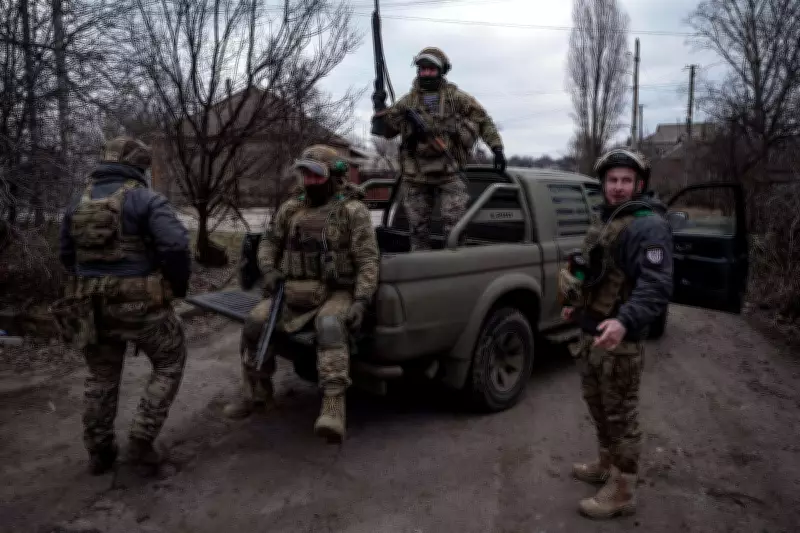
A shocking Kenyan intelligence report has revealed that more than 1,000 Kenyan citizens were recruited to fight for Russia in the ongoing Ukraine conflict, after being deceived with false promises of employment opportunities. The report, presented to parliament by parliamentary leader Kimani Ichung'wah, details a disturbing scheme allegedly involving Russian embassy officials and work recruitment agencies.
According to the findings, these individuals were lured with assurances of skilled jobs in Russia, only to be sent to the front lines in Ukraine. The report specifies that 89 Kenyans are currently on the battlefield, 39 have been hospitalised, 28 are missing in action, and at least one has been confirmed dead. Ichung'wah accused Russian embassy officials of colluding with agencies to issue tourist visas under false pretences, a claim vehemently denied by the Russian Embassy in Nairobi.
EU Questions Russia's Commitment to Peace
This revelation comes amid growing international scepticism about Russia's willingness to engage in meaningful peace negotiations. European Commission spokesperson Anouar El Anouni stated that the European Union sees no tangible signs of serious engagement from Russia to end the war, following the latest round of talks in Geneva. "We see that Russia continues its relentless attacks on Ukraine. This does reflect that Russia is not ready for peace," El Anouni emphasised, adding that Europe must be included in any decisions regarding Ukraine's future.

Ukrainian President Volodymyr Zelensky echoed this frustration in a fiery social media post, criticising Vladimir Putin's tactics. "I don't need historical shit to end this war and move to diplomacy. Because it's just a delay tactic," Zelensky wrote, highlighting the stalled progress in negotiations. He announced plans for a meeting with his negotiating team to determine next steps, underscoring the urgency of the situation.
Broader Context of the Conflict
The recruitment scandal is set against a backdrop of escalating tensions and humanitarian concerns. In related developments, the International Atomic Energy Agency reported that the Zaporizhzhia nuclear power plant is operating on a single power line after military activity damaged a backup, raising safety alarms. Meanwhile, Ukrainian drones attacked Sevastopol in Crimea, resulting in one fatality, and Russia's attacks on Ukraine's energy infrastructure tripled in 2025, according to Naftogaz Group.
On the diplomatic front, Poland has ended special refugee support for Ukrainians, integrating them into general protection laws, while Ukraine plans to boycott the Milano Cortina Paralympics in protest of Russian and Belarusian participation. Additionally, Russia has demanded proof from European nations regarding allegations of poisoning opposition figure Alexei Navalny, further straining international relations.
As the conflict nears its fourth year, these events highlight the complex web of military, diplomatic, and humanitarian challenges. The Kenyan recruitment case underscores the global ramifications of the war, with innocent civilians from distant nations becoming unwitting pawns in a protracted struggle. With peace talks faltering and violence persisting, the path to resolution remains uncertain, casting a long shadow over regional stability and international cooperation.