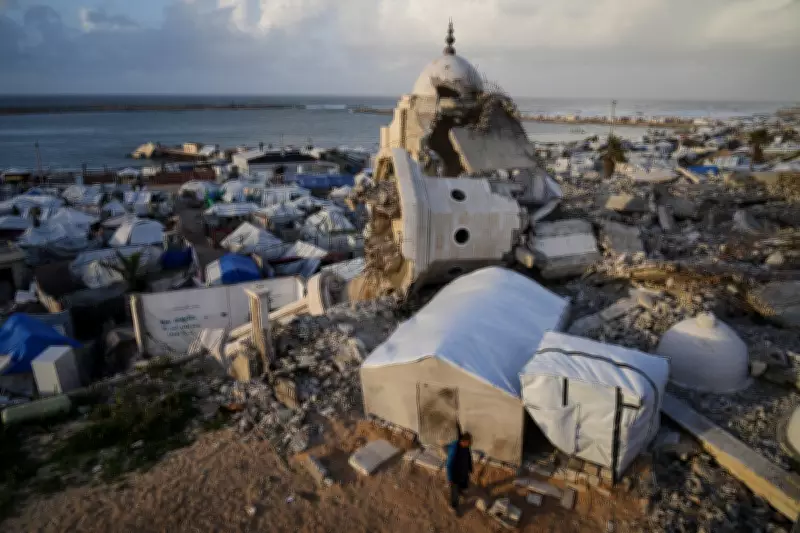
New Zealand has become the latest Western ally to decline an invitation to participate in Donald Trump's proposed 'Board of Peace' initiative for the Gaza Strip. The decision comes amid growing international scrutiny of the board's purpose and operational framework.
Lack of Clarity Cited as Primary Concern
Prime Minister Christopher Luxon confirmed the government's position, stating that Wellington requires substantially more information about the board's scope and underlying intentions before considering participation. This cautious approach reflects broader diplomatic concerns about the initiative's transparency and strategic alignment with established international mechanisms.
Alignment with UN Charter Emphasised
Foreign Minister Winston Peters articulated New Zealand's position clearly, emphasising that any peace-building work in Gaza must be "complementary to and consistent" with the United Nations Charter. This statement underscores the country's commitment to multilateral frameworks and established international law when addressing complex geopolitical conflicts.

The Board of Peace, which has been promoted as aiming to promote stability and peace in conflict-affected regions, has nevertheless failed to convince several key Western nations of its merits or operational clarity.
Growing Western Skepticism
New Zealand joins a significant coalition of Western allies who have either rejected or indicated they will not participate in the initiative. The United Kingdom, France, Italy, Germany, Canada, Norway, and Sweden have all expressed reservations or declined invitations, creating a notable divide in international responses to the proposal.
This collective hesitation among traditionally aligned nations suggests deeper concerns about the board's potential to complement rather than complicate existing peace-building efforts in the region.
Contrasting International Responses
While Western nations remain skeptical, several Middle Eastern and Asian countries have opted to join the board. Turkey, Egypt, and Saudi Arabia are among those who have accepted invitations, creating an interesting geopolitical dynamic where regional players appear more willing to engage with the initiative than traditional Western allies.
This divergence in responses highlights the complex diplomatic landscape surrounding Gaza reconstruction and peace efforts, with different nations weighing strategic interests, regional relationships, and alignment with international frameworks differently.
The Board of Peace initiative continues to generate discussion within diplomatic circles, with its future effectiveness likely dependent on addressing the transparency concerns raised by New Zealand and other Western nations while maintaining engagement with participating countries from conflict-affected regions.