Foreign Secretary Yvette Cooper has confirmed that a limited number of flights have resumed operations to evacuate British nationals stranded across the Middle East following widespread airspace closures. The Foreign, Commonwealth & Development Office reports that 102,000 British citizens have registered their presence in the region, with an estimated total of 300,000 potentially affected in Gulf countries targeted by Iran.
Airline Operations and Capacity
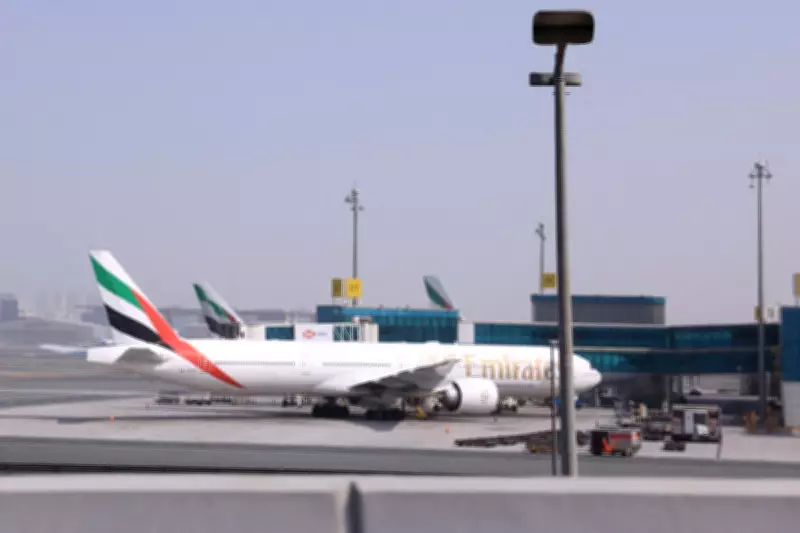
Emirates plans to operate four flights to the United Kingdom on Tuesday, including two services to Heathrow Airport and one each to Gatwick and Manchester. Some of these flights will utilize the airline's Airbus A380 aircraft, which can accommodate up to 615 passengers depending on configuration. This represents a significant reduction from Emirates' typical schedule of 146 weekly flights to the UK, equivalent to approximately 21 daily services.
Etihad Airways managed to operate fifteen flights from Abu Dhabi within a three-hour window on Monday, which aviation tracking service Flightradar24 identified as likely efforts to clear transit passengers stranded since the conflict began. Flight EY67, carrying UK nationals, departed from the United Arab Emirates capital and landed at Heathrow's Terminal 4 at 7:17 PM on Monday. The airline has scheduled one additional UK flight for Tuesday, utilizing a Boeing 787-10 Dreamliner with 336 passenger seats.

Major Airlines Suspend Operations
Qatar Airways announced on Tuesday morning that its operations remain suspended due to the closure of Qatari airspace, affecting its usual services to Heathrow and Gatwick from Qatar. British Airways has cancelled all scheduled flights to Heathrow from Abu Dhabi, Amman, Bahrain, Doha, and Dubai for Tuesday. Similarly, Virgin Atlantic has axed its flight from Dubai to Heathrow.
Government Response and Warnings
Prime Minister Sir Keir Starmer addressed the House of Commons, stating that the situation "may remain challenging for some time" but emphasized that the government is "looking at all options to support our people." He urged all British citizens in the region to register their presence with authorities and monitor regularly updated Home Office travel advice.
"Across much of the region, airspace remains closed, and local authorities are advising individuals to shelter in place," Starmer told Parliament. "We're sending rapid deployment teams to the region to support our British nationals on the ground, and we're in close contact with the travel industry and governments in the region, particularly with our friends in the UAE given the concentration of British nationals in that country."
Consular Support Available
The Foreign Secretary confirmed that FCDO phone lines remain open to provide consular support, with ministers available to meet with Members of Parliament to discuss individual cases. The government's primary objective is to ensure British nationals "can return home as swiftly and safely as possible."
Regional Impact and Disruption
The conflict between Iran and the United States and its allies has triggered extensive airspace closures across the Middle East, creating major disruptions to air travel. Approximately half a million passengers typically use airports in Dubai, Doha, or Abu Dhabi daily, making these locations vital hubs for travel between Europe and the continents of Asia and Australia.
Aviation experts predict it will likely take several days to clear the backlog of stranded passengers once normal operations resume. The current limited flight resumptions represent only a fraction of typical capacity, with most airlines maintaining suspended schedules until airspace restrictions are lifted.