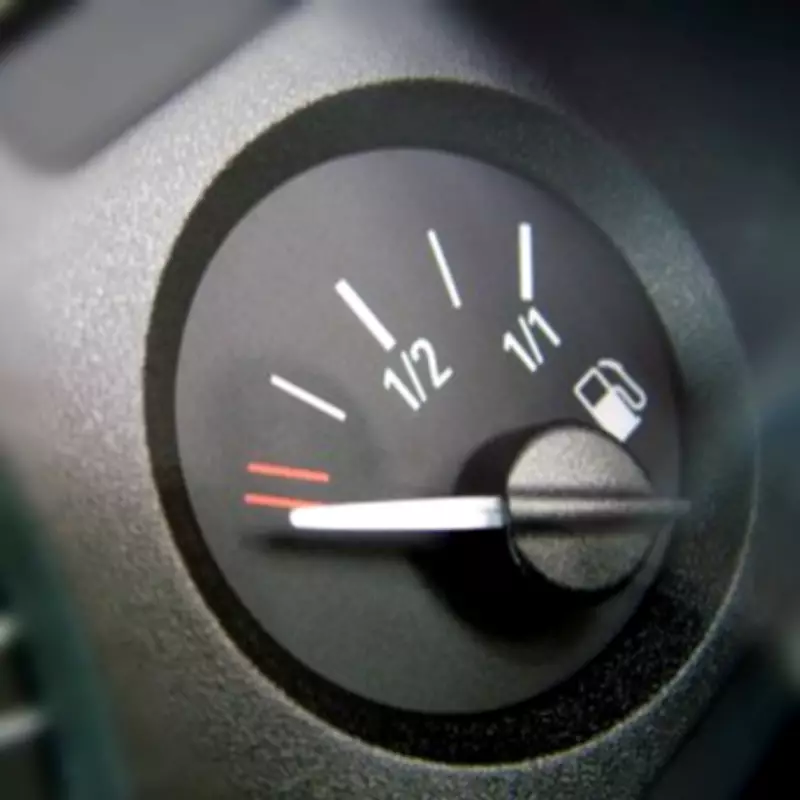
Road safety and breakdown organisation GEM Motoring Assist has issued a stark warning to motorists about widespread fuel-saving misconceptions that could compromise safety and vehicle performance. With fuel prices remaining persistently high, the charity acknowledges that drivers are actively seeking ways to reduce costs, but emphasises the critical importance of distinguishing between genuine advice and potentially harmful tricks.
Five Common Fuel-Saving Myths Debunked
GEM Motoring Assist has identified several prevalent misconceptions that drivers should avoid. These myths not only fail to deliver significant savings but can also lead to increased risks on the road.
Coasting Downhill in Neutral Saves Fuel
This practice is particularly dangerous and ineffective. Modern engines are designed to automatically cut fuel supply when the vehicle is in gear and decelerating. Coasting in neutral actually reduces driver control and poses serious safety hazards, especially on steep inclines or in emergency situations.

Avoid Air Conditioning at All Costs
While occasional switching off of air conditioning is acceptable, completely avoiding its use can cause system seals to dry out and deteriorate. This leads to reduced efficiency over time and potentially costly repairs, negating any minor fuel savings.
Warm Up Your Engine Before Driving
Idling to warm up an engine is an outdated practice that wastes substantial fuel. Contemporary engines warm up most effectively when driven gently shortly after starting, making prolonged idling both inefficient and environmentally unfriendly.
Over-Inflate Tyres for Better Efficiency
Maintaining tyre pressures higher than manufacturer recommendations reduces grip, accelerates wear, and compromises handling. Always adhere to recommended pressures for optimal safety and performance.
Fill Tank Only Halfway to Reduce Weight
The weight difference between a half-full and full tank is minimal, while more frequent refuelling wastes time and may lead to rushed, potentially unsafe stops. The marginal benefit does not justify the inconvenience and risk.
Five Genuine Methods to Improve Fuel Efficiency
GEM's road test team, supported by solid research, recommends these straightforward adjustments to everyday driving habits that deliver real savings without compromising safety.
- Smooth Acceleration and Braking: Gentle use of pedals significantly reduces fuel consumption and mechanical wear, promoting safer driving practices.
- Plan Routes and Journeys: Utilise GPS or route-guidance apps to avoid unnecessary detours and traffic congestion, saving both time and fuel.
- Reduce Speed: Driving at 80mph on motorways is illegal and costly. Reducing speed to 70mph can improve fuel economy by up to 25% while keeping drivers safe and compliant with traffic laws.
- Reduce Excess Weight and Drag: Remove roof boxes, bike racks, and non-essential items from the boot when not needed to minimise aerodynamic drag and weight.
- Maintain Your Vehicle Properly: Regular servicing, clean air filters, and correct tyre pressure make substantial differences to fuel efficiency and overall vehicle performance.
Smarter Driving for Electric Vehicle Owners
GEM also provides specific guidance for EV and hybrid vehicle drivers to maximise range and reduce running costs. While many safe and smooth driving habits apply equally to electric vehicles, there are particular opportunities unique to EV technology.

- Drive smoothly, anticipate traffic patterns, and slow down gradually to maximise regenerative braking efficiency.
- Utilise eco mode settings that limit power output and extend battery range during longer journeys.
- Maintain consistent tyre pressures and charging habits. Well-inflated tyres and avoiding full charge cycles every time help preserve battery life and efficiency.
- Charge at the lowest practical rate whenever possible. Slower overnight charging is generally more efficient and gentler on battery systems than frequent rapid charging, supporting long-term performance preservation.
GEM spokesperson James Luckhurst commented: "In the current climate of high energy costs, drivers are understandably keen to ensure they use their cars wisely and efficiently, but there are no magic solutions. The best gains come from planning ahead, driving smoothly and keeping your car properly maintained. It's safer, cheaper and better for the environment."
The organisation stresses that while modern vehicles are more efficient than ever, responsible driving habits and proper maintenance remain the most effective ways to achieve genuine fuel savings without compromising safety or vehicle integrity.