King Charles's Washington Visit Faces Trump Tensions and Epstein Fallout
King Charles's Washington Visit Faces Trump Tensions

King Charles's Washington Visit Faces Trump Tensions and Epstein Fallout

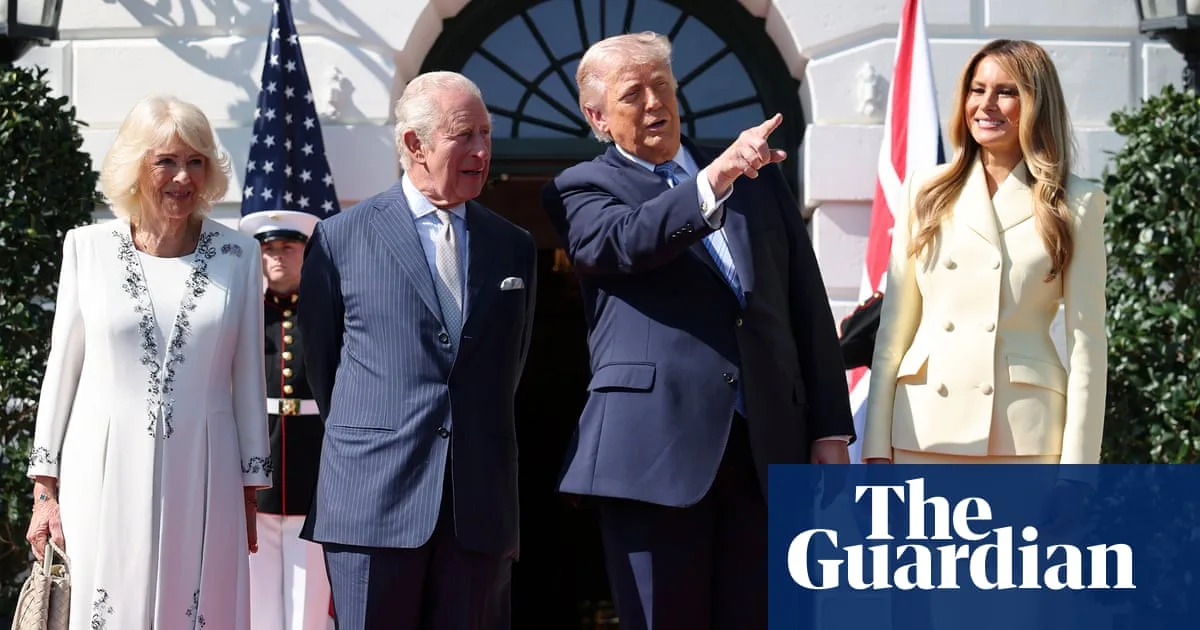
King Charles III is preparing for a historic state visit to Washington this April, marking the first trip by a British sovereign to the United States in nearly two decades. However, the diplomatic mission is now shrouded in unprecedented challenges, as escalating tensions between President Donald Trump and Prime Minister Sir Keir Starmer threaten to undermine the traditional "special relationship" between the two nations.

Diplomatic Strains and Presidential Criticism

President Trump has recently launched a barrage of criticisms against Sir Keir Starmer, casting doubt on the prime minister's leadership and statesmanship. In one particularly pointed remark, Trump declared, "This is not Winston Churchill that we're dealing with," following Starmer's refusal to immediately grant the US access to British bases for operations against Iran. The president further described the transatlantic discord as "very sad" and accused Starmer of not being helpful, raising serious questions about the future of US-UK cooperation.

These developments have transformed what should be a celebratory royal visit into a delicate diplomatic balancing act. While Trump has historically shown enthusiasm for the pageantry associated with royalty, the current political climate suggests that King Charles will need to navigate carefully to avoid exacerbating existing fractures.

The Epstein Scandal's Shadow Over the Royal Family

Compounding the diplomatic difficulties is the ongoing fallout from the Jeffrey Epstein scandal, which has directly implicated King Charles's brother, Andrew Mountbatten-Windsor. Last month, Mountbatten-Windsor was arrested on suspicion of misconduct in public office, following an investigation into whether he abused his position as a UK trade envoy to pass confidential information to the late sex offender.

This arrest has reignited the Epstein controversy just as King Charles prepares to meet with President Trump, who was once a fixture in the same social circles as Epstein. The spectre of awkward questions from Epstein's survivors, members of Congress, and journalists now looms large over the visit, creating an additional layer of complexity for the monarch.

Growing Calls for Cancellation and Political Backlash

In Washington, there is little of the reflexive deference that typically surrounds the monarchy in Britain. American political reporters and British correspondents operate with greater independence, and unanswered questions could provoke louder demands for transparency. This environment has emboldened critics like Steve Schmidt, a former Republican strategist and founder of the anti-Trump Lincoln Project, who is leading a growing chorus demanding that King Charles cancel his visit.

Schmidt warns that proceeding with the trip would result in "brutal" humiliation, promising to launch a high-profile advertising campaign targeting the King. He envisions billboards in Times Square featuring images of Charles, Camilla, Donald and Melania Trump, alongside Epstein and Ghislaine Maxwell, drawing uncomfortable parallels and raising difficult questions about the royal family's knowledge of the Epstein affair.

Legal and Political Implications

The legal ramifications of the Epstein scandal continue to unfold, with US Representative Robert Garcia describing Andrew Mountbatten-Windsor's arrest as an "enormous step forward" and questioning why the US Department of Justice has not shown similar urgency. Garcia has called for an end to what he terms a "White House cover-up," emphasizing that "President Trump and his Epstein administration are not above the law."

While Congress lacks the statutory power to compel a foreign citizen to testify, any formal subpoena would be triggered if Mountbatten-Windsor ever sets foot on US soil. Additionally, a Mutual Legal Assistance Treaty could petition British courts to force a deposition on UK soil in any criminal investigation. If Democrats regain control of the House of Representatives or Senate in November, current polite requests for interviews are likely to be replaced by a barrage of Oversight Committee subpoenas and televised hearings focused on the Epstein files.

The King's Dilemma and Strategic Calculations

Palace insiders are strategizing for all eventualities in this hostile atmosphere, which is just as febrile in the UK. King Charles also leaves for Washington at a time when grassroots campaigns are loudly calling for a total boycott of US products and even a UK withdrawal from the 2026 World Cup. This domestic pressure forces the King into an impossible choice: he must act as a diplomat tasked with protecting British business interests, yet risks being seen by many of his subjects—and many in the US—as an enabler of an administration they find repugnant.

Despite these challenges, King Charles has a track record of making deft moves in the shadows of political chaos. Last year, after Trump's high-profile clash with Ukrainian leader Volodymyr Zelenskyy, it was Charles who stepped into the breach, quietly inviting Zelenskyy to Sandringham a few days later. This masterclass in royal "soft power" signaled British solidarity without a word of public rebuke to the White House, demonstrating the monarch's ability to navigate complex diplomatic waters.

The Path Forward and Unanswered Questions

As the April date approaches, the central question remains: will King Charles be able to use his unique heritage to mend fences with Trump and endear himself to the American public? Or will he find himself a pawn in a global crisis where the stakes are high and the endgame unknown? Supporters argue that the King's decisive moves to strip his brother of his remaining titles and privileges show a monarch willing to put the integrity of the institution above personal sentiment.

Charles is also banking on a side of America that critics like Steve Schmidt ignore: the vast, quiet contingent of American royalists who still view the British sovereign as a rare symbol of stability. For them, the pomp and circumstance of a royal visit may not be a political endorsement but a welcome reprieve from the turmoil at home and abroad. However, with the picture growing more complex by the day, the success of this historic visit remains uncertain, hanging in the balance between diplomatic necessity and political reality.




