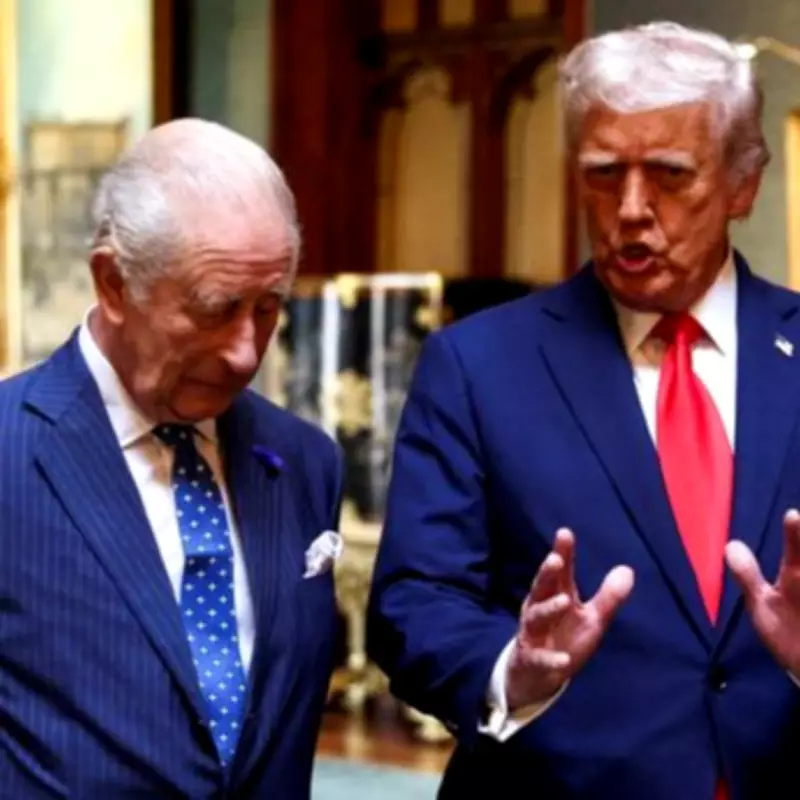
King Charles Ponders Middle East Conflict as US State Visit Confirmed
King Charles has offered poignant reflections on the United Kingdom's crucial relationships with its allies during the ongoing war in the Middle East. This occurred mere hours before Buckingham Palace officially confirmed his forthcoming state visit to the United States, scheduled for April. The monarch's comments were made during an investiture ceremony held at Windsor Castle, where he conversed with Admiral Sir Tony Radakin.
Investiture Ceremony Reveals Royal Concerns
During the investiture, Admiral Sir Tony Radakin was honoured with the Knight Grand Cross of the Order of the British Empire. In a subsequent discussion with the Press Association, Sir Tony disclosed that his conversation with King Charles naturally turned to global affairs. He stated, "We reflected on what is going on in the Middle East and the relationship that we have with our Gulf allies, and obviously the relationship that we have with our other allies, and that this is clearly a difficult time."
Sir Tony further emphasised the profound bond between the Royal Family and the armed forces, describing it as "extraordinary". He highlighted how royal visits significantly boost morale, noting, "I think the armed forces really covet their relationship with the Royal Family and with His Majesty the King." This relationship, he argued, symbolises the armed forces' connection with the nation, making it vitally important.

US State Visit Announcement Sparks Controversy
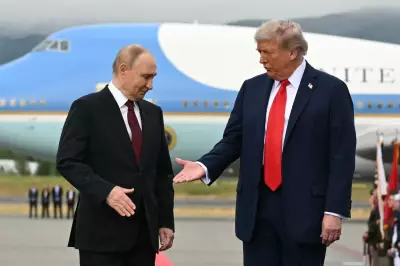
Shortly after the investiture, Buckingham Palace released a statement confirming that King Charles and Queen Camilla will undertake a state visit to the United States next month. The visit, advised by the government and invited by President Donald Trump, aims to celebrate the 250th anniversary of American independence. The itinerary includes a glittering state dinner at the White House and an address by the King to Congress.
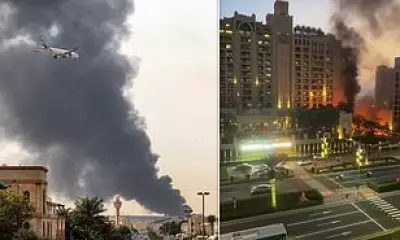
President Trump expressed his enthusiasm, proclaiming, "This momentous occasion will be even more special this year, as we commemorate the 250th Anniversary of our Great Country. I look forward to spending time with the King, whom I greatly respect. It will be TERRIFIC!" However, this confirmation comes amidst heightened tensions, particularly following US air strikes on Iran and public criticism from Trump regarding UK support.
Political Backlash and Public Opinion
The planned state visit has already ignited significant political backlash and public scrutiny. A recent YouGov poll indicated that nearly half of respondents (46 percent) believe the visit should be cancelled, while only 36 percent support it proceeding. Sir Ed Davey, leader of the Liberal Democrats, condemned the decision, stating, "The Prime Minister is showing a staggering lack of backbone by pushing ahead with this state visit while Donald Trump treats our country with contempt."
Adding to the criticism, senior Labour MP Dame Emily Thornberry, chair of the Foreign Affairs select committee, warned, "If it was to go ahead, it would go ahead against a backdrop of a war, and that, I think, is quite difficult – and the last thing that we want to do is to have Their Majesties embarrassed." These statements underscore the delicate political landscape surrounding the visit, set against the volatile Middle East conflict.
Broader Implications and Royal Diplomacy
King Charles's reflections at Windsor highlight the monarchy's ongoing role in diplomatic and military matters, even as constitutional duties are guided by government advice. The state visit, while commemorating historical ties, now unfolds in a context of international strife and domestic debate. The King's subsequent trip to Bermuda, his first royal visit as monarch to a British Overseas Territory, further extends this diplomatic engagement.
As the visit approaches, the interplay between royal symbolism, political alliances, and global conflicts remains a focal point. The monarchy's support for the armed forces, as praised by Sir Tony, contrasts with the contentious nature of the US trip, illustrating the complex challenges facing modern royal diplomacy in an era of heightened geopolitical tensions.