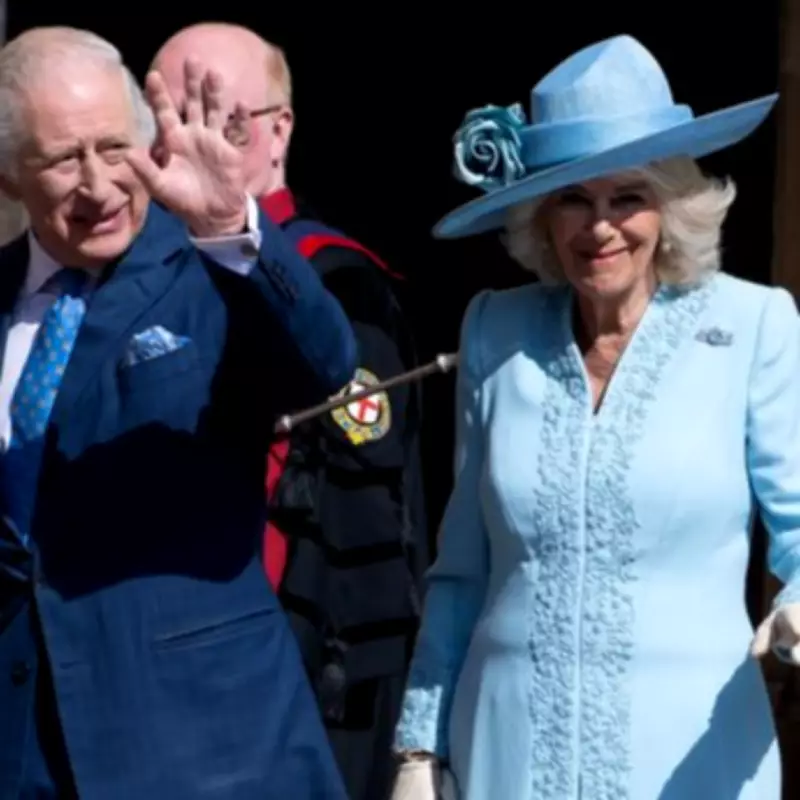
A significant development has emerged regarding the upcoming state visit of King Charles and Queen Camilla to the United States. The royal couple will be unable to meet with survivors of the convicted sex offender Jeffrey Epstein during their trip scheduled for late April.
Congressional Request Denied Amid Ongoing Investigations
This decision comes after US Congressman Ro Khanna formally wrote to King Charles on Monday, urging him to arrange a private meeting with Epstein survivors during the state visit. However, it is understood that such a meeting cannot proceed while UK police investigations into matters related to Epstein remain active. The precise nature of these investigations has not been disclosed, but they are cited as the primary reason for the prohibition.
Historic Visit Proceeds Despite Multiple Controversies
The long-anticipated state visit, marking a historic moment in UK-US relations, is set to occur from April 27 to April 30. This timeline was confirmed by US President Donald Trump in a post on his Truth Social platform, despite Buckingham Palace opting not to release exact dates in its official announcement. President Trump described the visit as a "momentous occasion" and expressed enthusiasm for spending time with the King, whom he "greatly respects." He also revealed plans for a "beautiful Banquet Dinner" at the White House on the evening of April 28.

The visit has faced calls for postponement or cancellation due to the ongoing conflict in the Middle East, yet it proceeds as planned. The inability to meet Epstein survivors adds another layer of complexity to an already contentious diplomatic event.
Implications for Royal Diplomacy and Public Perception
This situation highlights the delicate balance between royal duties, diplomatic protocols, and sensitive legal matters. The refusal to meet survivors, while grounded in legal prudence, may attract scrutiny from advocacy groups and the public. It underscores how ongoing investigations can directly impact high-profile international engagements, even at the highest levels of monarchy and government.
The state visit, spanning four days, is poised to be a focal point of transatlantic relations, with events likely to include formal receptions and cultural exchanges. However, the shadow of the Epstein case and related investigations will undoubtedly linger, influencing both media coverage and public discourse surrounding the royal tour.