Japan's Prime Minister Clarifies Position on Taiwan Amid Heightened Regional Tensions
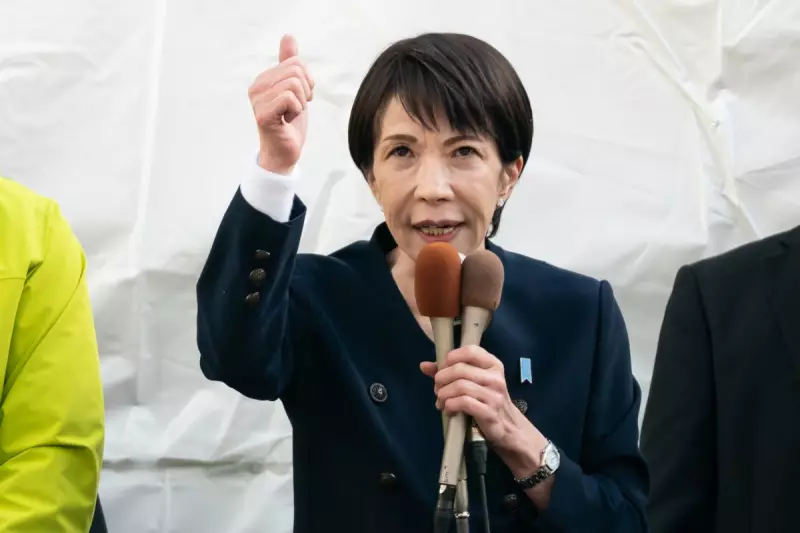
Japanese Prime Minister Sanae Takaichi has articulated Tokyo's nuanced stance regarding a potential Chinese invasion of Taiwan, emphasising that Japan would not ignore such a crisis but would act strictly within legal boundaries. In a nationally broadcast television programme on Monday, Ms Takaichi sought to clarify her previous remarks, which had sparked a significant diplomatic row with Beijing shortly after she took office last year.
Walking Back Earlier Military Implications
The prime minister appeared to moderate her earlier statements suggesting Japan could respond militarily if China moved to take Taiwan by force. "I want to make it absolutely clear that this is not about Japan going out and taking military action if China and the United States come into conflict," Ms Takaichi stated, referencing comments she made in parliament during November. However, she maintained that Tokyo would not shy away from a conflict over Taiwan, outlining how the nation could respond within its established legal framework.
Potential for Joint Action with the United States
Ms Takaichi explained that a military crisis in Taiwan could prompt Japan and the United States to take coordinated action, primarily to rescue their own citizens from the island. "If something serious happens there, we would have to go to rescue the Japanese and American citizens in Taiwan. In that situation, there may be cases where we take joint action," she elaborated. She further warned that if US forces, acting jointly with Japan, came under attack and Tokyo failed to respond, the crucial Japan-US alliance could collapse.

"So we would respond strictly within the limits of the law within the limits of the laws as they currently exist while making a comprehensive judgment based on what is happening on the ground," the prime minister added, reinforcing the conditional and legally constrained nature of any potential Japanese involvement.
Consistency with Policy and Electoral Context
With an eye on an upcoming snap election, Ms Takaichi stopped short of retracting her November remarks entirely. She asserted that her stance was consistent with Japan's long-standing policy and argued that China's characterisation of her comments was factually inaccurate. Japan's pacifist constitution, which generally prohibits direct military action, does allow for self-defence and the defence of allies like the US if an attack is deemed a "threat to its survival."
China's Firm Rejection and Diplomatic Fallout
Beijing has repeatedly condemned Ms Takaichi's earlier statements, viewing them as unacceptable interference in China's internal affairs. China claims Taiwan as an inseparable part of its territory and does not rule out using force to achieve reunification. It strongly objects to third-country involvement, particularly from the United States, which remains Taiwan's primary weapons supplier.
On Monday, China's foreign ministry once again urged Japan to correct what it termed the "erroneous remarks" made by the prime minister. In a significant escalation, Beijing issued fresh travel warnings, advising Chinese citizens to avoid visiting Japan during the Lunar New Year holidays due to alleged public security threats. The ministry cited a deterioration in public safety, a rise in crimes targeting Chinese nationals, and a series of recent earthquakes causing injuries.
Fu Cong, China's permanent representative to the United Nations, delivered a particularly sharp rebuke. He claimed the Japanese prime minister's statements constituted a "betrayal of the international obligations that Japan must fulfill as a defeated country," invoking historical context to criticise Tokyo's position.

A Delicate Diplomatic Balancing Act
The episode underscores the fragile state of Sino-Japanese relations, which have sunk to their worst level in years following the initial controversy. Ms Takaichi's latest comments represent an attempt to clarify Japan's position without backing down entirely, balancing domestic political considerations, alliance commitments with the United States, and the need to manage a tense relationship with a powerful neighbour. The situation remains a critical flashpoint in East Asian geopolitics, with implications for regional stability and international diplomacy.