Slow Horses' Jackson Lamb Outperforms James Bond in Real-World Espionage
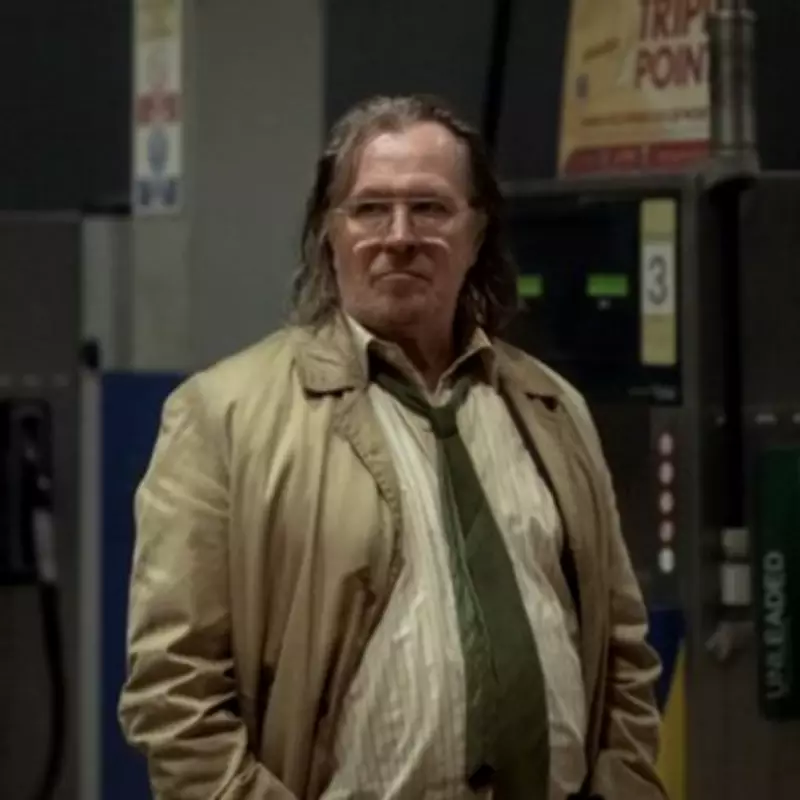
With his dishevelled tie and grubby mackintosh, Jackson Lamb stands in stark contrast to the suave, dinner-jacketed James Bond. Yet, according to intelligence experts, Gary Oldman's character in the TV series Slow Horses would excel as a superior spy due to his ordinary appearance, allowing him to blend seamlessly into crowds.
Exhibitions Shed Light on the Art of Spying
Two major exhibitions are currently illuminating the clandestine world of espionage, drawing from authentic spy narratives. Chris Costa, executive director of the International Spy Museum in Washington, DC and a former US Army intelligence officer, explains: "Spying taps into fundamental human elements: secrecy, danger, loyalty, and betrayal. The fascination stems from the tension between the ordinary and extraordinary. Spies resemble everyday people while navigating a realm of hidden identities and deception. In an increasingly uncertain global landscape, espionage offers insights into why nations engage in surveillance."
Espionage has regained prominence following the British government's conclusion that Kremlin critic Alexei Navalny was murdered by Vladimir Putin's agents using a toxin from poison dart frogs. The US museum is launching Camouflage: Designed to Deceive, an exhibition exploring how spies conceal themselves in plain sight—a skill Chris, 62, notes the world's most famous fictional secret agent often misrepresents.

Why James Bond Falls Short in Real Espionage
Chris states: "James Bond can be misleading because a tuxedo-wearing spy is the exception, not the rule. A genuine intelligence officer's primary goal is to fit in, yet Bond enters every room and instantly becomes the most memorable figure." Ian Fleming's iconic character is far from alone in literature and media, with sharp-suited spies like John le Carre's Jonathan Pine and Mission Impossible's Ethan Hunt also capturing attention. However, Chris adds: "For the most part, that contradicts sound tradecraft."
Amanda Mason, lead curator of the Spies, Lies and Deception exhibition at the Imperial War Museum North in Manchester, concurs that standing out is a disadvantage for secret agents. She reveals some spies undertake extreme measures to remain inconspicuous: "Real spy stories can surpass fictional portrayals in amazement. For instance, our exhibition features a consent form for plastic surgery on Major Flemming Muus, a WWII Special Operations Executive organiser in Denmark. His distinctive nose posed an identification risk, so he underwent surgery to alter his face."
Historical Espionage Tactics and Modern Lessons
The Manchester exhibition, running until August and covering a century of espionage, also highlights Ben Cowburn, a highly successful SOE agent. Amanda notes: "He completed four perilous missions in occupied France under false identities, blending into civilian life. As he later recounted, he 'wore no disguise in France... an undisguised spy could look the same and be different.'"
Chris, with experience in intelligence operations across Panama, Bosnia, Iraq, and Afghanistan, emphasises that attire and appearance are part of spying's theatre: "They convey class, profession, nationality, and intent before any words are spoken." Yet, mishaps occur. He recalls: "During a public training session, I wore a glued-on moustache that nearly melted when I ate ice cream—a lesson learned." Behaviour is equally crucial: "A minor disguise might bypass cameras, but movement, eye contact, and handling nerves can expose or protect an agent. Physical elements provide seconds; behaviour secures the operation."

Beyond Fiction: Real-Life Spy Anecdotes
While tuxedo-clad spies seem improbable, they exist beyond cinema. Chris shares: "My predecessor at the museum, CIA officer Peter Earnest, once attended a party overseas in a tuxedo, slipped away to plant a listening device, and hid when interrupted, returning to the event unnoticed." Disguise extends beyond clothing; Amanda describes WWII camouflage trees: "Soldiers replicated trees with steel cores to create armoured observation posts, switching them overnight for surveillance advantages." Exhibits include sketches of such trees, matchboxes with message-writing matches, and a pen nib from German spy George Breeckow containing invisible ink traces.
Fictional and Real Spy Icons
Amanda praises spy novels, particularly Mick Herron's Slow Horses books, while Chris favours George Smiley from Tinker Tailor Soldier Spy: "Alec Guinness's portrayal of a rumpled, unremarkable man who succeeds through patience and understanding human motivation resonates with real intelligence work." Amanda highlights real-life spy Catherine Townsend, a London-born linguist who rose in British intelligence during WWII: "She managed listening equipment at Trent Park, challenging the male archetype of spies. Women have played pivotal roles in espionage."
Chris concludes: "Myths portray spies as glamorous loners reliant on gadgets, but reality involves unglamorous work and human relationships. The best officers are exceptional listeners, not fighters." These insights underscore why characters like Jackson Lamb, with their mundane exteriors, align more closely with the truths of espionage than the flashy persona of James Bond.