The International Monetary Fund has warned that the US-Israel war on Iran risks creating an 'energy crisis of an unprecedented scale' that could tip the global economy towards recession. The grim warning comes as Treasurer Jim Chalmers prepares to attend the IMF's spring meetings in Washington DC, where he will join calls for an end to the conflict.
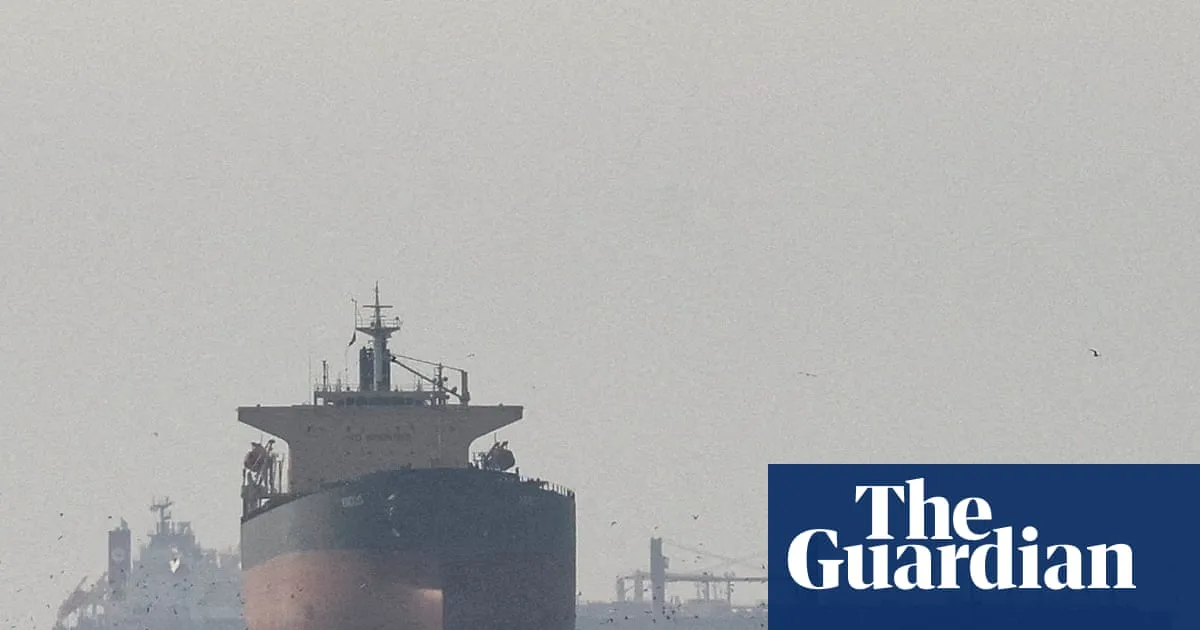
The IMF's chief economist, Pierre-Olivier Gourinchas, said the blockade of the Strait of Hormuz and damage to critical energy facilities raise the prospect of a major energy crisis. In a severe scenario where oil prices average US$110 this year and US$125 in 2026, global growth would plunge to just 2%, a level associated with recession.
Chalmers said Australians are paying a hefty price for events on the other side of the world, and that a proper end to the war cannot come soon enough. He will hold bilateral meetings with counterparts from major fuel suppliers including South Korea, Singapore, Japan and China.

The IMF's baseline scenario assumes the war ends within weeks, with Australia's economy growing at 2% in 2026 and inflation averaging 4% this year. However, more pessimistic scenarios see higher inflation and lower growth globally, with the IMF warning of a 'close call for a global recession'.
With the federal budget due on 12 May, Chalmers said the government is weighing extreme uncertainty as it prepares a budget focused on resilience and reform. Speculation includes changes to tax discounts, negative gearing, and potential taxes on LNG exports.