
Israel has objected to the White House’s selection of world leaders for the so-called Gaza “board of peace”, a group intended to temporarily oversee governance and reconstruction in the strip. The Israeli government stated that some appointments were “not coordinated with Israel and were contrary to its policy”, without specifying which individuals it opposed.
The board was announced by US President Donald Trump as part of a 20-point plan to end the war in Gaza. Appointees and invitees include Turkish President Recep Tayyip Erdoğan, Egyptian President Abdel Fatah al-Sisi, former UK Prime Minister Tony Blair, and Argentine President Javier Milei. Israeli Prime Minister Benjamin Netanyahu has instructed his foreign minister to contact US Secretary of State Marco Rubio over the matter.
The exact composition of the board remains unclear, but two separate governing bodies have been disclosed. The “founding executive board”, chaired by Trump, includes Rubio, US envoy Steve Witkoff, Jared Kushner, and Tony Blair. This board will focus on investment and foreign relations. A second “Gaza executive board” will oversee the National Committee for the Administration of Gaza (NCAG), which will manage day-to-day affairs.
Blair welcomed his appointment, describing the NCAG as “a massive step forward” that offers hope to both Palestinians and Israelis. However, it is not confirmed whether all invitees have accepted; neither Sisi nor Erdoğan have yet confirmed their participation.
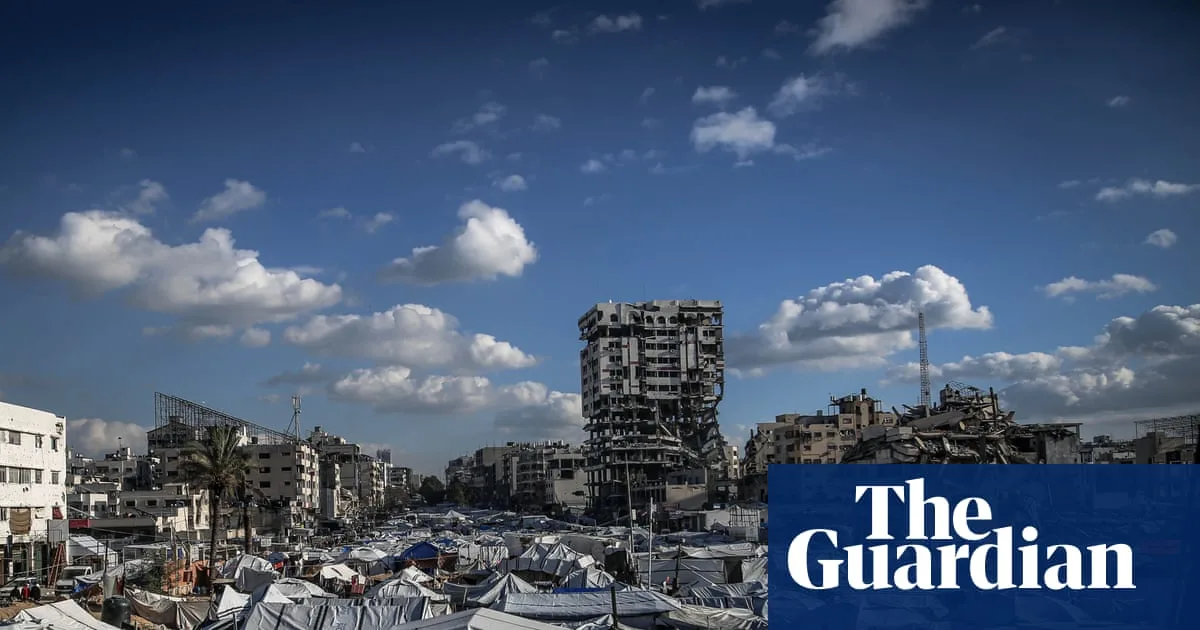
The board’s formation comes amid a fragile ceasefire announced in October. Despite the truce, Israel continues military operations in Gaza, with at least 463 Palestinians killed since the ceasefire was declared. Restrictions on food and aid persist, leading to widespread hunger and inadequate housing. Over 71,000 Palestinians have died during more than two years of conflict.
The US-drafted ceasefire plan has moved into a second phase, which includes contentious issues such as Hamas disarmament, reconstruction, and the deployment of an international security force. Hamas has not committed to disarm, and Israel has previously objected to Turkey’s involvement in any such force.




