Iraqi Captain Defies War Threats to Sail Volatile Gulf Waters
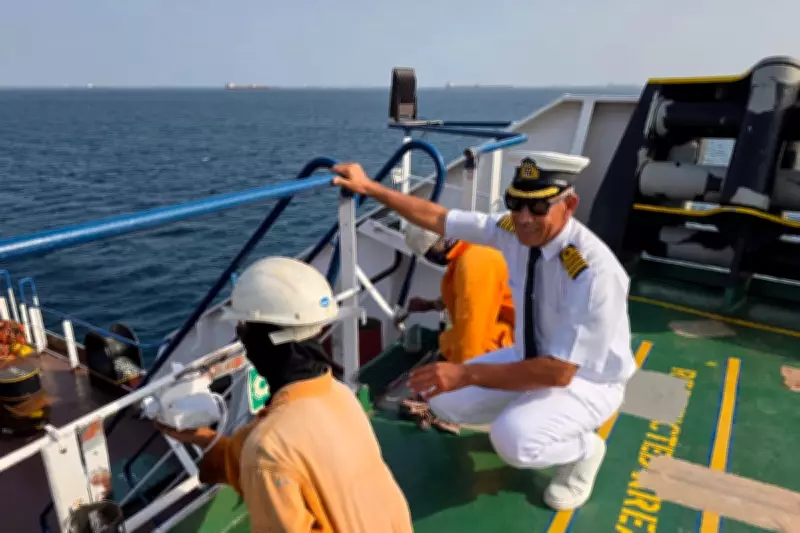
Amid the escalating regional conflict between the United States, Israel, and Iran, Iraqi Captain Rahman Al-Jubouri continues to pilot his oil tanker through one of the world's most dangerous maritime corridors. Navigating the tense waters between the Gulf of Oman and the strategic Strait of Hormuz, the veteran seafarer faces daily threats of military strikes that have disrupted global trade routes and left numerous crews stranded and vulnerable to attacks.
Decades of Experience in Conflict Zones
Captain Al-Jubouri is no stranger to maritime hostilities, having worked at sea since 1984 and survived multiple regional conflicts including the Iran-Iraq War and the 1991 Gulf War. Now operating the Palau-flagged Sea Moon tanker, he finds himself once again sailing through high-risk waters where sporadic military actions threaten vessels attempting to navigate critical chokepoints like Bab el-Mandeb and the Persian Gulf.
"Work has become a real risk; we don't know when we might be bombed. We're sailing over a ball of fire," Al-Jubouri told The Associated Press during a phone interview from his vessel. The captain has been aboard the Sea Moon for four consecutive months, currently sailing from the Gulf of Aden toward the Gulf of Oman to deliver oil to Yemen's Ras Isa port.

Commercial Vessels in the Crossfire
The ongoing standoff between Washington and Tehran has placed commercial shipping directly in the crosshairs of regional warfare. Several tankers have already been targeted in attacks carried out by Iranian forces and allied groups, while intermittent threats to close the strategically vital Strait of Hormuz have caused significant disruptions to global oil flows.
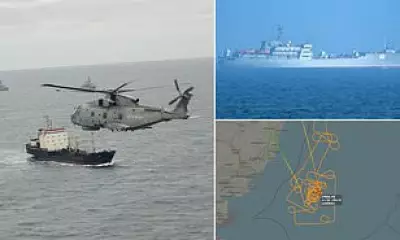
These threats materialized dramatically when American military forces forcibly seized an Iranian-flagged cargo ship attempting to circumvent a naval blockade near the strait. This marked the first such interception since the blockade of Iranian ports commenced the previous week, highlighting the escalating tensions in the region.
Safety Protocols and Close Calls
The constant danger has necessitated rigorous safety preparations aboard Al-Jubouri's vessel. His crew undergoes regular safety drills to prepare for potential attacks, with the captain emphasizing, "We've trained them on how to respond if the ship comes under fire, God forbid."
This training proved crucial last year when the Sea Moon came under bombardment while docked at a Yemeni port. Al-Jubouri immediately cut the mooring ropes, prepared the engines, and evacuated the port at considerable personal risk to protect both his crew and vessel. Although shrapnel struck the tanker during the escape, causing minor damage, all crew members emerged unharmed. Remarkably, the vessel later returned to normal port operations and resumed its planned shipping route.
Crew Attrition and Psychological Toll
Not all sailors can withstand the psychological pressure of operating in such dangerous conditions. Al-Jubouri's crew has diminished from 27 to just 17 sailors, with fear driving many experienced hands away from the perilous assignment. The captain himself has not seen his family for four months, a separation that compounds the stress of navigating war-torn waters.
"We suffer from being away from our families and our homelands," Al-Jubouri confessed. While internet access aboard ship allows some communication with loved ones, the emotional distance feels particularly acute amid the constant strain of potential conflict. Despite these challenges, basic supplies including food and bottled water remain consistently available through regular port replenishments.
Adapting Under Pressure
Drawing on four decades of maritime experience, Captain Al-Jubouri demonstrates remarkable resilience in adapting to these extraordinary pressures. His continued operation through these volatile waters represents both the persistence of global trade networks amid conflict and the personal sacrifices made by merchant mariners who keep vital supply lines functioning despite escalating regional hostilities.