Iran's Supreme Leader Reported Safe Following Coordinated US and Israeli Strikes
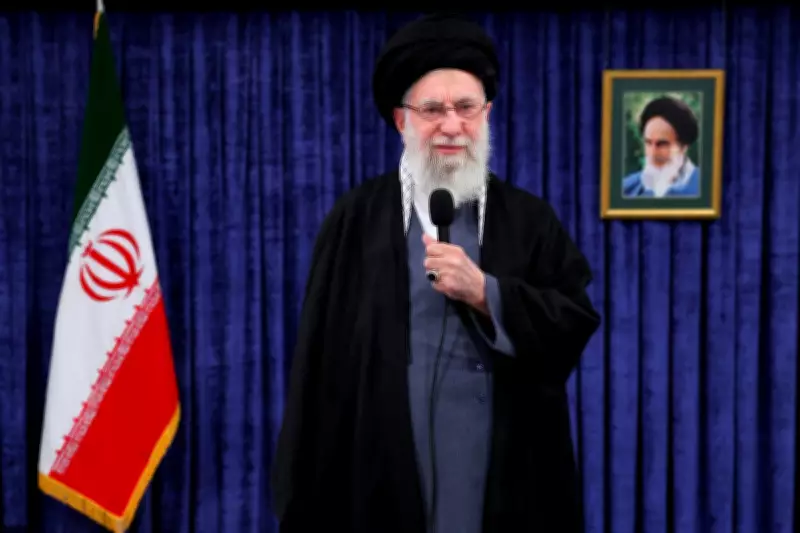
Tehran has officially declared that Iran's Supreme Leader Ayatollah Ali Khamenei and President Masoud Pezeshkian are both "safe and sound" in the aftermath of coordinated military strikes conducted by the United States and Israel on Saturday, 28 February 2026. This announcement comes directly from a spokesman for Iran's foreign ministry, who communicated the update to Sky News, providing a crucial statement amid escalating regional tensions.
Confirmation Amid Contradictory Evidence and Casualty Reports
Despite the assurance of safety for the nation's top leaders, the spokesman acknowledged that "some commanders have been martyred as the result of this terrorist act of aggression." This admission highlights the significant human toll of the strikes, even as Iranian officials work to project stability and resilience. However, satellite imagery has revealed extensive damage to the supreme leader's compound, casting some doubt on the full extent of the situation and suggesting that the attacks were targeted and impactful.
In a further effort to bolster confidence, the spokesman emphasized, "But what matters is that the Iranian nation, our armed forces, our brave armed forces are taking necessary measures to defend Iran in the strongest way possible." This rhetoric underscores Iran's commitment to national defense and its readiness to respond to perceived threats, reinforcing the government's stance in the face of external military actions.

Previous Uncertainty and Broader Context of the Strikes
Earlier, Foreign Minister Abbas Araghchi had provided a more tentative assessment, telling NBC News that the supreme leader was alive "as far as I know." This earlier statement reflected the initial uncertainty and confusion following the strikes, which have since been clarified by the foreign ministry's more definitive confirmation. The coordinated nature of the attacks by the US and Israel points to a significant escalation in geopolitical tensions, with potential ramifications for international diplomacy and security in the Middle East.
The strikes have sparked widespread concern and analysis, as they represent a direct military engagement between major powers and Iran. The situation remains fluid, with ongoing developments likely to influence regional dynamics and global responses. Iranian authorities continue to monitor the aftermath closely, while international observers await further details on the extent of the damage and any potential retaliatory measures from Tehran.