Hossein Dabbagh, an assistant professor of philosophy at Northeastern University London, writes that Iran is currently engaged in a severe and expansive crackdown, which the regime describes as an effort to restore "order." However, this term masks a deeper reality: the government is attempting to repair its damaged claim to authority by making life dangerously unpredictable for its citizens.
The Escalation of Unrest and State Response
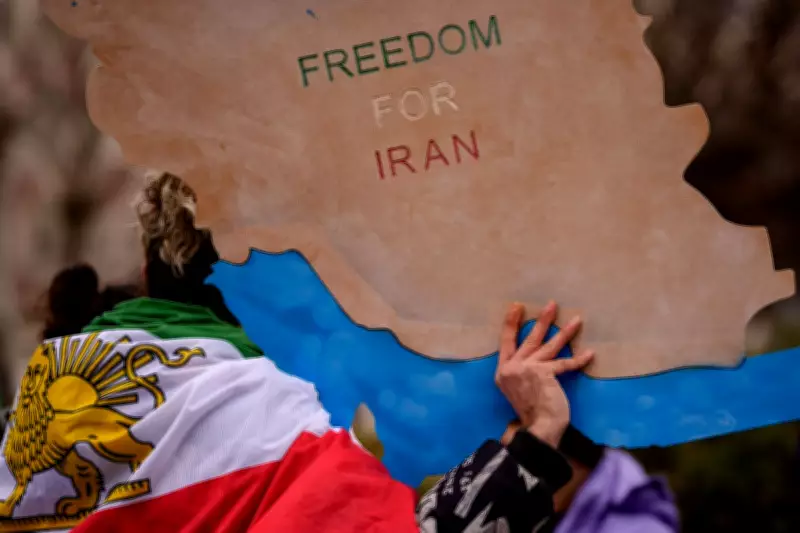
Unrest in Iran began with economic hardships but quickly evolved into a broader public refusal to accept fear as a necessary condition of daily life. In response, the state has deployed lethal force on a wide scale, targeting not only protesters but also bystanders. This approach aims to flood society with uncertainty, making even proximity to dissent feel like a significant risk.
Authoritarian Tactics Following External Humiliation
When an authoritarian regime faces external setbacks that expose its vulnerabilities, such as the "12-day war," it often turns to domestic brutality as a form of repair rather than revenge. For over forty years, Iran has claimed national strength and readiness against imperialist threats, but visible episodes of weakness challenge this narrative. To compensate, the regime demonstrates its capacity for domination at home, using violence to reassert control.

The Role of Communications Blackouts
A near-total communications blackout, now in its third week, highlights this strategy. In an economy where small businesses depend on digital tools like messaging, online storefronts, and digital payments, severing the internet enforces political submission through economic suffocation. This move underscores how sovereignty is not just a legal status but a performance, involving the ability to command obedience, define reality, and instil fear.
Internal Cohesion and Moral Technology
External humiliations also trigger "elite anxiety" within brittle systems like Iran's, leading to a rush to assign blame and enforce loyalty. The crackdown serves as a warning to potential defectors, making violence a tool for internal cohesion. The regime employs familiar rhetoric about infiltrators, terrorists, and foreign plots, rebranding dissent as treason and repression as defence. This narrative provides a permission structure for officials to carry out violence and creates confusion to deter others from joining protests.
The Moral Danger of Mass Repression
The greater danger lies in the moral corrosion caused by such repression. An atmosphere of fear erodes trust, pushing society toward despair or vengeance. The task for both resisters and observers is to maintain a vision of a different future, where agency is rebuilt through organisation, witnessing, and civic engagement. Without this, the regime risks winning twice: first by killing, and then by teaching people that nothing can be done, perpetuating a cycle of helplessness.
This situation represents the tragedy of wounded sovereignty, where a government, unable to protect its citizens credibly, instead proves it can still control by striking those who expose its weaknesses through their refusal to remain silent.