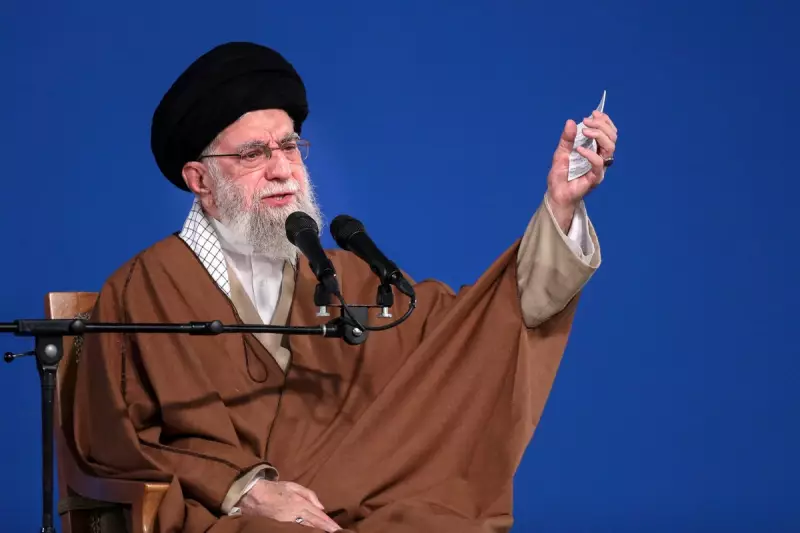
Iran's Supreme Leader, Ayatollah Ali Khamenei, has for the first time publicly acknowledged that "several thousand" people were killed during a severe crackdown on nationwide protests, while placing the blame squarely on the United States and Israel.
Supreme Leader Breaks Silence on Protest Death Toll
In a significant speech on Saturday 17 January 2026, Khamenei broke his silence on the scale of the casualties stemming from unrest that erupted on 28 December. The initial demonstrations, fuelled by economic hardship, rapidly escalated into broad challenges against the country's clerical leadership.
Using his official X account, Khamenei stated, "We find the US President guilty due to the casualties, damages and slander he inflicted upon the Iranian nation." He described the deaths as having occurred in a "savage" and "inhuman" manner, but attributed the violence to external forces. "Those linked to Israel and the U.S. caused massive damage and killed several thousand," he claimed, without providing evidence.

Mounting Casualties and International Tensions
The admission comes as the US-based Human Rights Activists News Agency (HRANA) reported it had verified 3,090 deaths, a figure that includes 2,885 protesters. The group also documented over 22,000 arrests. Accurate reporting from within Iran has been severely hampered by a nationwide internet blackout, which was only partially lifted last Saturday.
The crisis has sparked a war of words with former US President Donald Trump, who had repeatedly threatened military intervention. On Friday, Trump claimed on Truth Social that the Iranian regime had called off "hundreds of mass hangings," thanking its leaders—a claim Tehran denies, stating there was "no plan" for executions. Khamenei appeared to respond directly, warning, "We will not drag the country into war, but we will not let domestic or international criminals go unpunished."
Internal Crackdown and Opposition Figures
Internally, Iranian authorities have pursued a harsh line against those detained. The prosecutor general stated last week that detainees would face severe punishment, labelling some as "aiders to rioters and terrorists." State media announced the arrest of several alleged "ringleaders," including a woman identified as Nazanin Baradaran.
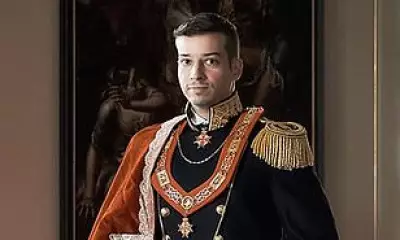
Authorities accuse Baradaran of operating under a pseudonym on behalf of Crown Prince Reza Pahlavi, the exiled opposition figure. Pahlavi has positioned himself as a potential transitional leader, even suggesting he would seek to re-establish diplomatic ties with Israel if he ever assumed power in Iran.
The supreme leader's unprecedented admission, while deflecting blame, marks a critical moment in the ongoing turmoil, highlighting both the severe domestic repression and the intense geopolitical tensions surrounding the Islamic Republic.