As protests in Iran appear to slow and the United States tempers its rhetoric, the Iranian diaspora watches with a mixture of hope, fear, and profound anxiety. The voices of those with family still in the country reveal a complex tapestry of opinion on foreign intervention, regime change, and the path forward for their homeland.
The Call for Action and a Hesitant West
Reza Pahlavi, the exiled son of Iran's last Shah, has made a direct appeal to Western powers. Speaking at a Washington news conference, he urged the international community to help unseat Supreme Leader Ali Khamenei, declaring the Iranian people had taken "decisive action" and needed full global support.
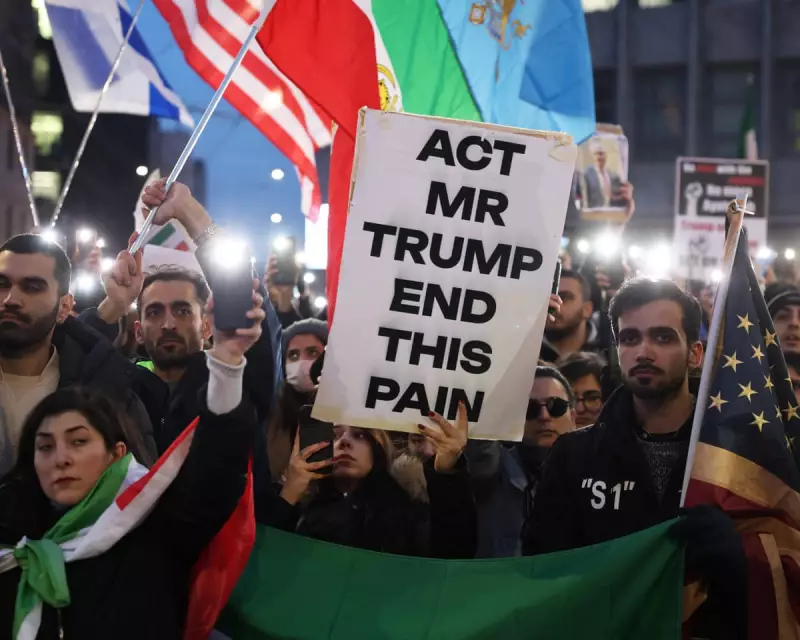
This call came as Donald Trump seemed to step back from earlier threats. The US President had repeatedly stated America was "locked and loaded" should Iranian authorities begin shooting protesters. However, he later claimed on "good authority" that the killings had stopped, adding there were "no plans for executions."

The human cost of the unrest remains starkly unclear, with estimates of those killed ranging from less than 2,000 to more than 12,000.
A Diaspora Divided: Voices from Abroad
For Iranians living overseas, the crisis is deeply personal, marked by severed communications and agonising waits for news. An internet blackout has left many relying on brief, expensive phone calls for contact.
Roya, 27, Switzerland: After a harrowing wait, Roya received a fleeting call from her exhausted mother. Relieved but anxious, she is deeply sceptical of both monarchist ambitions and foreign intervention. "The people need to take back Iran by ourselves and for ourselves," she insists, wary of historical precedents. She hopes for the regime's fall but fears the lack of a unified opposition figure.
Reza, UK: A teacher with family in Iran, Reza believes the crisis stems from a deep "cultural problem" of corruption. He dismisses the feasibility of foreign intervention in such a vast, diverse nation and is pessimistic about swift change. "It's a change that will probably take a generation," he concludes.
Rose, 26, UK: For Rose, the situation is "emotionally devastating." She has lost contact with loved ones and fears unseen atrocities. She represents a strand of opinion calling for urgent international action. "We want President Trump to help us urgently," she states, advocating for strong pressure and regime change to protect civilians.
Generational Hopes and Fears for the Future
Arta, 38, Europe: Having recently visited, Arta witnessed the dire economic strain and early protests firsthand. Now, she mourns the dead and longs to hear her mother's voice again. While hoping for internal change, she admits it seems "almost impossible."
Mani, 27, Scotland: With family among the protesters, Mani's life is on hold, consumed by worry. He supports swift foreign intervention, seeing it as the only chance to topple the "hateful government." He backs Reza Pahlavi as the "best alternative" and a viable opposition leader.
Hana, 40, Germany: Hana strongly opposes foreign involvement, believing US intervention would be a "disaster" leading to civil war and regional instability. Relieved after a brief call from her mother, she argues against regime change due to the lack of a viable alternative. "The current situation in Iran is heartbreaking," she says, but external forces cannot bring stability.
The perspectives from abroad underscore a nation at a crossroads, its diaspora united in concern but profoundly divided on the solution. From calls for urgent American action to warnings against it, and from hopes for a swift revolution to predictions of a generational struggle, the path forward for Iran remains fiercely contested, both inside and outside its borders.