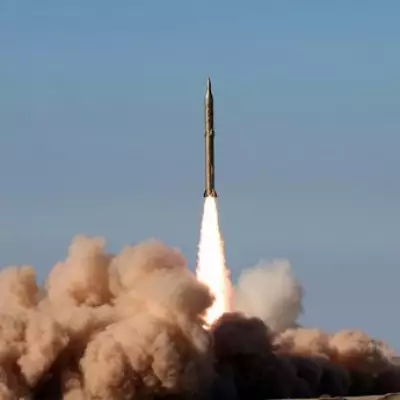
In a dramatic escalation of tensions, Iran's Revolutionary Guards have declared that the Strait of Hormuz will be "completely closed" if former US President Donald Trump carries out his threat to destroy Iranian power plants. This ultimatum follows Trump's warning that he would target Iran's energy infrastructure unless the strategic waterway is fully reopened, a move that could severely disrupt global oil supplies and heighten military conflict in the region.
US and Israel Intensify Pressure
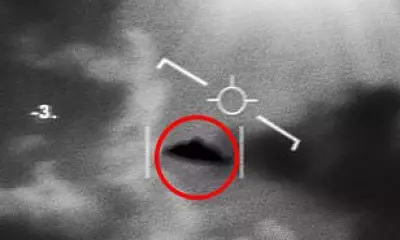
The United States has released video footage purportedly showing strikes on Iran's drone capabilities, underscoring the ongoing military operations. Meanwhile, Israel's ambassador to the US stated in a CNN interview on Sunday that his country will persist in its campaign "until we bring this regime to its knees," referencing a new round of devastating attacks in Israel. This rhetoric signals a coordinated effort by US and Israeli forces to apply maximum pressure on Tehran, with both nations showing no signs of backing down.
Financial and Political Ramifications
On the domestic front, US Treasury Secretary Scott Bessent assured Americans that they would not face tax increases to fund the Pentagon's reported $200 billion request for the war in Iran, claiming the government has sufficient funds. This statement aims to alleviate public concern over the economic burden of prolonged conflict. In a lighter political note, Donald Trump shared a satirical clip from the new Saturday Night Live UK programme on his Truth Social platform, depicting a panicked Keir Starmer fretting over a phone call from the president, highlighting the international political tensions.

UK's Emergency Response
As the situation escalates, UK Prime Minister was scheduled to chair an emergency COBRA meeting on Monday with senior ministers and the Bank of England governor to discuss the economic impact of the Iran war. This high-level gathering reflects growing global anxiety over potential market disruptions, energy price spikes, and broader financial instability stemming from the conflict. The meeting underscores the UK's proactive stance in mitigating risks to its economy and security.
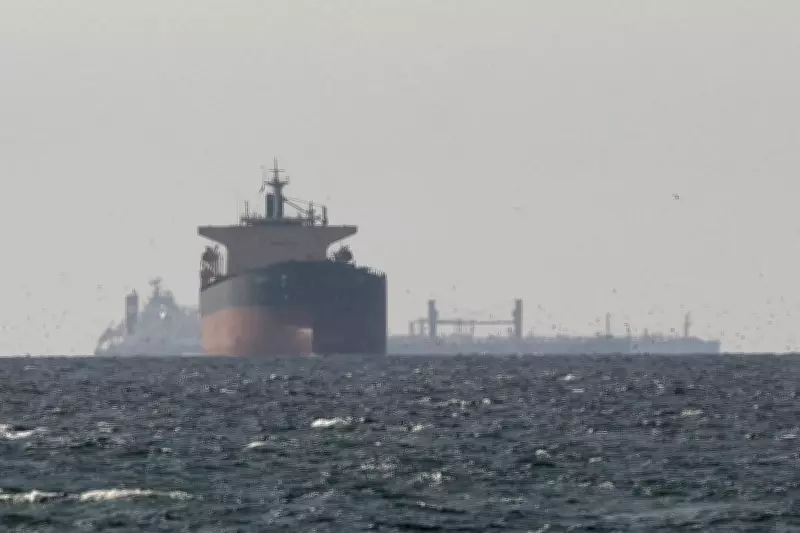
The closure of the Strait of Hormuz, a critical chokepoint for approximately one-fifth of the world's oil shipments, could trigger widespread economic turmoil, affecting energy markets and international trade routes. With Iran's defiant stance and the US-Israel alliance maintaining aggressive postures, the region remains on a knife-edge, with diplomatic solutions appearing increasingly elusive.