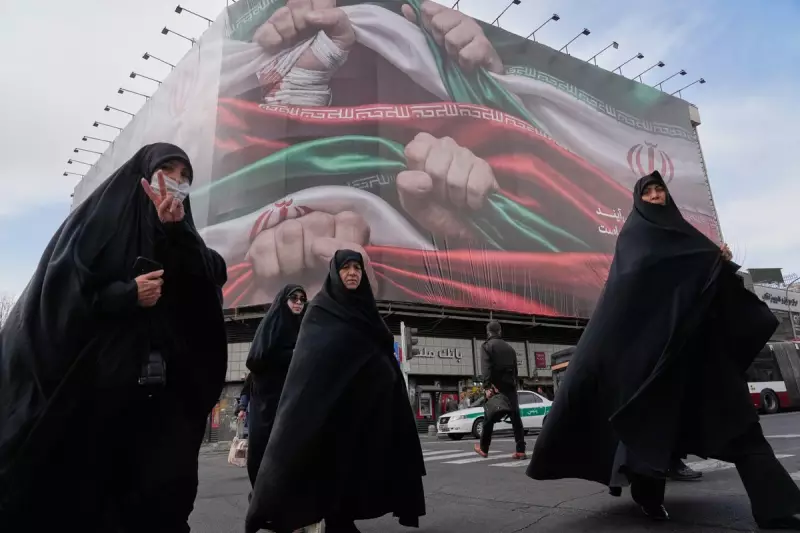
Iran's Regime Confronts Mounting Pressure Amid Escalating Protests
The Iranian regime is currently grappling with an unprecedented wave of internal dissent and external scrutiny as protests across the nation continue to intensify. Reports indicate a significant and troubling rise in the death toll, with numerous casualties documented amid widespread civil unrest. This situation has placed the Ayatollahs and their governing apparatus under severe strain, as they attempt to maintain control while facing growing calls for accountability and substantial political reform from both domestic activists and the international community.
International Response and Diplomatic Tensions
In response to these developments, global powers have heightened their focus on Iran, with former US President Donald Trump and other international figures vocalising their concerns over the regime's handling of the protests. The international community has issued calls for transparency and human rights protections, adding to the diplomatic pressures faced by Tehran. This external scrutiny complicates the regime's efforts to manage the crisis, potentially influencing its strategic decisions and foreign policy manoeuvres in the volatile Middle East region.
Internal Dynamics and Future Implications
Within Iran, the protests reflect deep-seated grievances among the populace, including economic hardships, political repression, and demands for greater freedoms. The mounting death toll has galvanised opposition movements, leading to sustained demonstrations that challenge the regime's authority. Analysts suggest that this unrest could have long-term implications for Iran's stability, possibly prompting shifts in governance or sparking broader regional consequences. As the situation evolves, monitoring these internal dynamics remains crucial for understanding the potential outcomes and their impact on global geopolitics.