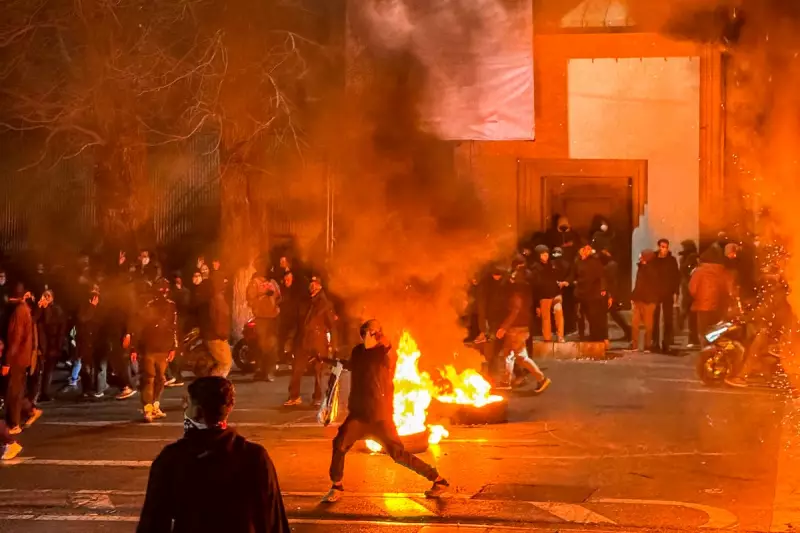
Exclusive communications from within Iran have painted a stark picture of a nation in the grip of a severe and violent crisis, with protesters describing a 'war-like situation' as they confront security forces. Messages obtained by Independent Persian via Starlink satellite internet detail a determined push to overthrow the Islamic Republic's leadership, despite a near-total communications blackout and reports of significant casualties.
'We Have Nothing Left to Lose'
In harrowing accounts sent from Tehran and other major cities, demonstrators expressed a fatalistic resolve. Mobina, a 33-year-old woman in Tehran, stated: "You cut our internet and phone lines? We'll bring hell down on you. We have nothing left to lose." She described nightly mass gatherings in neighbourhoods across the capital, with crowds chanting 'Long live the Shah'—a reference to the exiled Crown Prince Reza Pahlavi—and using derogatory nicknames for Supreme Leader Ali Khamenei.
Another young protester from Tehran, Ehsan, reported that security forces were using military-grade weapons and firing directly at civilians, creating "extremely harsh and painful" conditions. He claimed that despite the violence, those he is in contact with no longer intend to retreat and are prepared to go "to the very end."

A Nationwide Uprising Enters a Decisive Phase
The current wave of unrest was galvanised by a public call to protest from Crown Prince Reza Pahlavi on Thursday, 15 January 2026. This was followed by a complete national internet shutdown imposed by authorities. Protesters, however, have found ways to communicate sporadically using Starlink, though they report widespread jamming has dramatically reduced its speed and reliability.
By Sunday, 18 January—the fourth night of protests—large crowds were reported in at least ten Tehran neighbourhoods and in cities including Isfahan, Tabriz, Shiraz, Mashhad, and Rasht. Slogans such as "This is the final battle, Pahlavi will return" have become prominent. Sources on the ground insist the scale of the demonstrations is now "beyond control," and that the internet blackout is the regime's final tool to hide the truth.
International Appeals and a Stark Ultimatum
A significant theme in the messages received is a desperate hope for foreign intervention, specifically from former US President Donald Trump. Protesters repeatedly referenced his recent comments that Iran's government had crossed a "red line" and his warning that "very strong options" were being considered. "One eye is on the sky, hoping Trump will come to help us," Ehsan's message read.
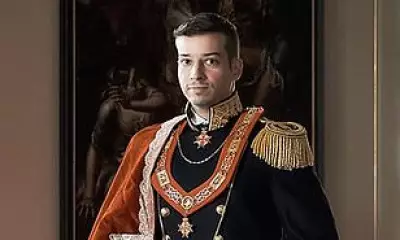
In a message released early on Monday, 19 January, Crown Prince Reza Pahlavi described the beginning of "another phase" of the national uprising. He declared institutions responsible for propaganda and communication blackouts as "legitimate targets" and issued a stark choice to members of the armed forces: stand with the people or side with the "killers of the nation." Informed sources suggest this message is being closely followed within military and security ranks, where morale is reportedly declining.
The Crown Prince reinforced this stance during a press conference in Washington DC on Friday, 16 January, predicting the regime's imminent collapse and promising to return to Iran. "This regime is on its last leg, it's about to collapse," he told reporters, urging the international community to act.
From Shiraz, Sara, a 28-year-old student, summed up the prevailing sentiment: "Fear is gone. Everyone knows that if we retreat now, there won't be another chance." As Amirhossein, a 35-year-old from Mashhad, put it: "This is no longer a protest – it's a war. We know this is the final stretch: victory or destruction."