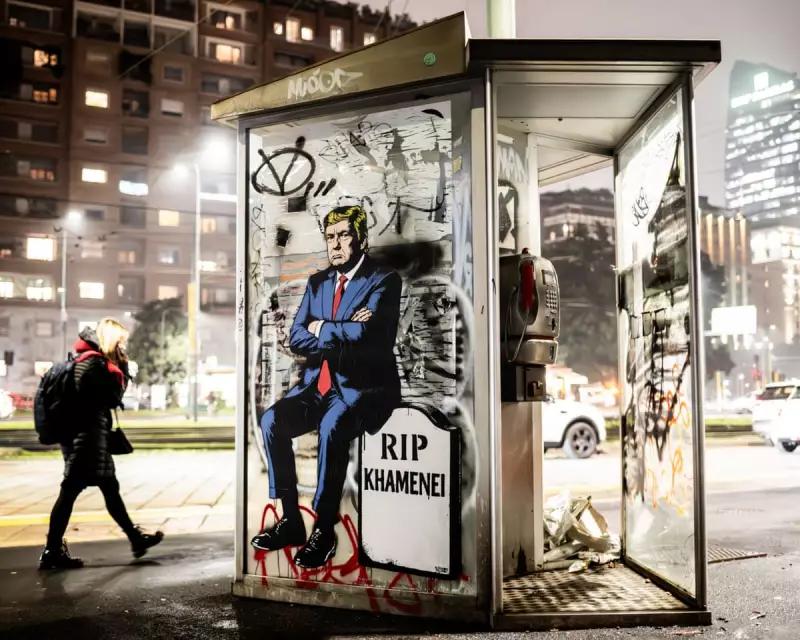
In the wake of a violent government crackdown, protesters in Iran are grappling with a profound sense of betrayal, having placed their faith in promises of support from former US President Donald Trump that ultimately never arrived.
A Promise of Rescue That Never Came
The disillusionment is epitomised by the story of Siavash Shirzad, a 38-year-old father from Tehran. Having witnessed previous protests brutally suppressed, Shirzad was reportedly reassured by Trump's public vow to "rescue" demonstrators if Iranian authorities opened fire. Ignoring his family's warnings, he joined the crowds. On 8 January, the internet was shut off across Iran, and Shirzad was shot at a protest. He died from his wounds hours later, leaving behind a 12-year-old son.
"Siavash hoped until the very end that Trump's help would arrive," his cousin told the Guardian, speaking anonymously. The sentiment was widespread. For many Iranians, it was the first time a US president had explicitly promised aid to their cause.

Trump's Abrupt About-Face and Deepening Crisis
The situation escalated when Trump, on a Tuesday, urged Iranians to "take over your institutions" and declared "help is on its way," amid growing speculation of an imminent US strike. However, just a day later, he performed a stark reversal, telling reporters he had received assurances from Tehran that protesters would not be executed, thereby stepping back from military intervention.
Inside Iran, the result was despair and a intensified crackdown. Streets in Tehran emptied, patrolled by armed security forces, while protests persisted in provinces. A communications blackout made assessing the scale difficult. Mass arrests were reported, and rights groups warned detainees faced the risk of torture and unfair trials after state TV aired forced confessions.
Diaspora Anger and a Regime Emboldened
The policy shift was felt acutely by Iranians abroad, who had watched the brutality unfold, often with scant news from family. "As someone living in the diaspora, this feels like a slap in the face," said Elham, an Iranian in Sydney. To many, Trump's pivot to potential diplomacy with Tehran, hinted at by Foreign Minister Abbas Araghchi on Fox News, felt like a victory for the regime and a profound betrayal.
While the execution of protester Erfan Soltani was notably cancelled, and Trump shared this news, the fundamental dynamic remained. Analysts noted that US intervention risked validating regime claims that protests were foreign-backed, without necessarily aiding demonstrators' aims.
Despite the pullback, the US maintained ambiguity. Ambassador Mike Waltz told the UN Security Council that "all options are on the table," as a US aircraft carrier moved to the region. For protesters in Iran, now isolated and under severe pressure, the future is one of painful limbo, their hope in external salvation largely extinguished.