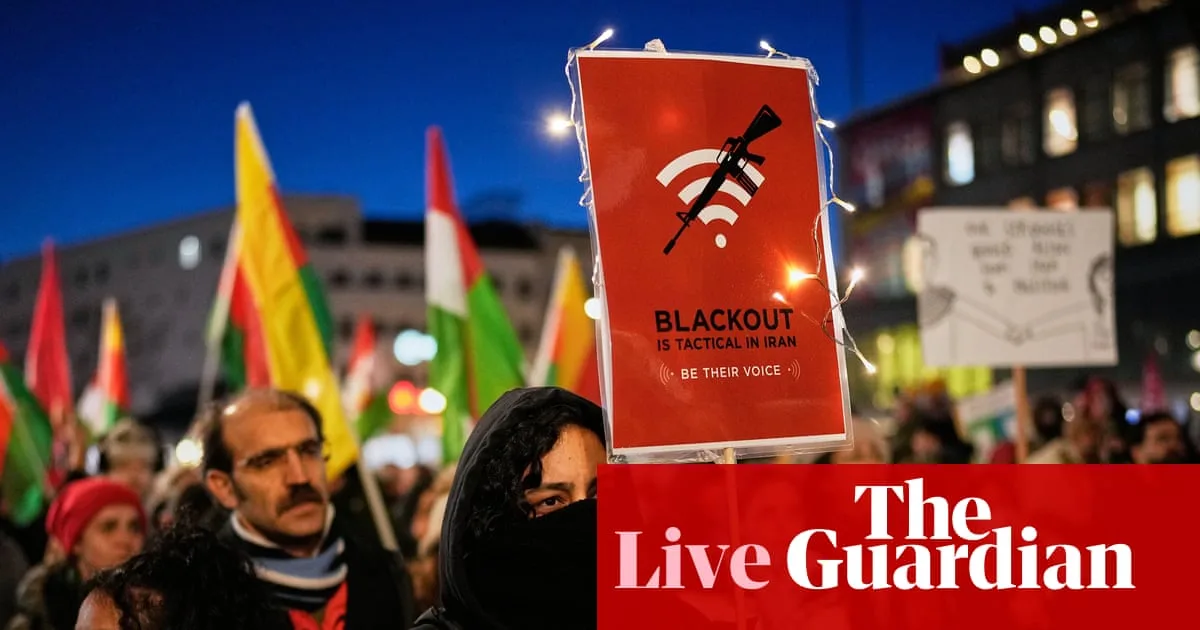
Iran is reportedly preparing to execute the first protester since the start of the recent wave of demonstrations, as the international community ramps up pressure on the regime. The move comes amid a brutal crackdown that has drawn widespread condemnation and threats of further sanctions from the G7 and the European Union.
In a joint statement, G7 foreign ministers expressed grave concern over the intensification of repression, condemning the deliberate use of violence by Iranian security forces. They warned they are prepared to impose additional restrictive measures if Iran continues to violate international human rights obligations. The EU is also considering deepening sanctions, with European Commission President Ursula von der Leyen calling the killing of young people a human tragedy.
The United States has announced new sanctions against more than a dozen Iranian individuals and entities accused of being architects of the crackdown and laundering oil revenue. The UN Security Council is set to hold an emergency meeting on the situation, requested by the US. Meanwhile, a Canadian citizen has died at the hands of Iranian authorities, and a Red Crescent staff member was killed while on duty.
New Zealand's foreign minister condemned the escalation of violence, and the EU is under pressure to designate the Islamic Revolutionary Guard Corps as a terrorist organisation. The protests, which began in September, show no signs of abating, with demonstrators demanding an end to the regime.