Iran Stages Military Drills with Missile Tests Ahead of Crucial US Nuclear Negotiations
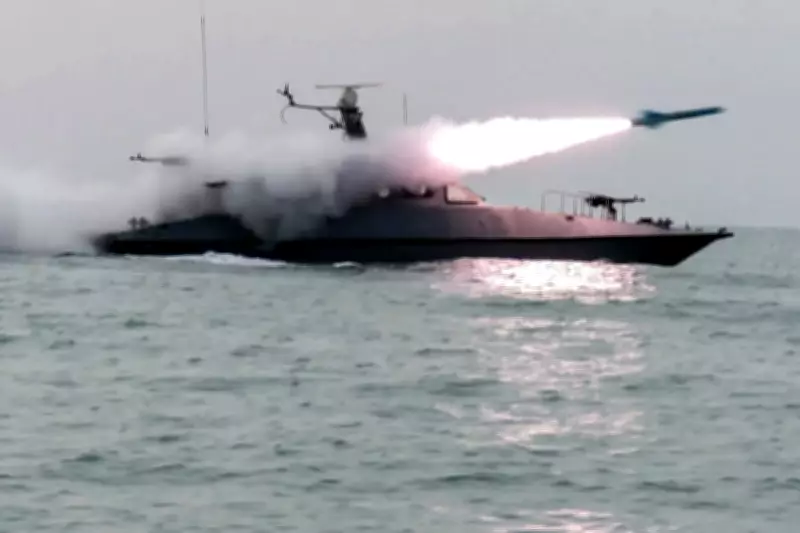
Iran has conducted a significant military exercise in the strategic Strait of Hormuz, featuring test missile launches, warships, and helicopters, in a clear display of strength just as indirect nuclear talks with the United States commenced in Geneva. The naval drills, executed by the Iran Revolutionary Guard Corps (IRGC), are designed to assess operational readiness and develop plans for reciprocal action against potential security and military threats.
High-Stakes Talks Underway in Geneva
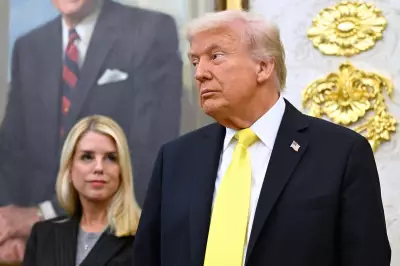
On Tuesday morning, indirect negotiations began with US envoys Steve Witkoff and Jared Kushner representing the Trump administration, while Iranian Foreign Minister Abbas Araghchi leads the Iranian delegation, with Omani officials mediating. Shortly after the talks started, Iran's Supreme Leader Ayatollah Ali Khamenei issued a stark warning to President Donald Trump, asserting through Iranian media that even the world's strongest military can be incapacitated by a decisive blow.
Iranian officials have emphasized that the success of the Geneva talks hinges on the US avoiding unrealistic demands and demonstrating genuine commitment to lifting economic sanctions on Iran. In contrast, President Trump has openly advocated for regime change in Tehran, telling reporters on Monday that it might be the best outcome and indicating his indirect involvement in the negotiations, while expressing confidence that Iran desires a deal.

Escalating Tensions and Military Preparations
Trump elaborated on his stance aboard Air Force One, suggesting that military action, such as deploying B-2 bombers to target Iran's nuclear capabilities, remains an option if no agreement is reached. This follows recent US troop withdrawals from bases in eastern Syria, which analysts interpret as preparation for a potential Iranian response to any American attack.
Two officials informed Reuters that the US military is bracing for the possibility of extended operations against Iran should Trump order an assault. However, Foreign Minister Araghchi countered Trump's threats in a social media post before the talks, stating he is in Geneva with serious proposals for a fair deal but will not submit to intimidation.
Global Economic Implications and Regional Threats
Tehran has previously threatened to close the Strait of Hormuz, a vital conduit for global oil supplies, in retaliation for any US attack—a move that would severely disrupt world markets. Oil prices already dipped in Asian trading on Tuesday as investors evaluated supply risks following Iran's naval drills.
The current tensions originated from the US response to Iran's harsh crackdown on protests in December and January, evolving into efforts to pressure Iran into a new nuclear accord. Iran aims to prevent a recurrence of last summer's events, when nuclear talks were interrupted by Israeli airstrikes supported by US B-2 bombers targeting Iranian nuclear sites.
This military demonstration underscores the high stakes of the Geneva negotiations, with both sides positioning themselves amid threats and diplomatic maneuvering that could impact regional stability and global energy security.