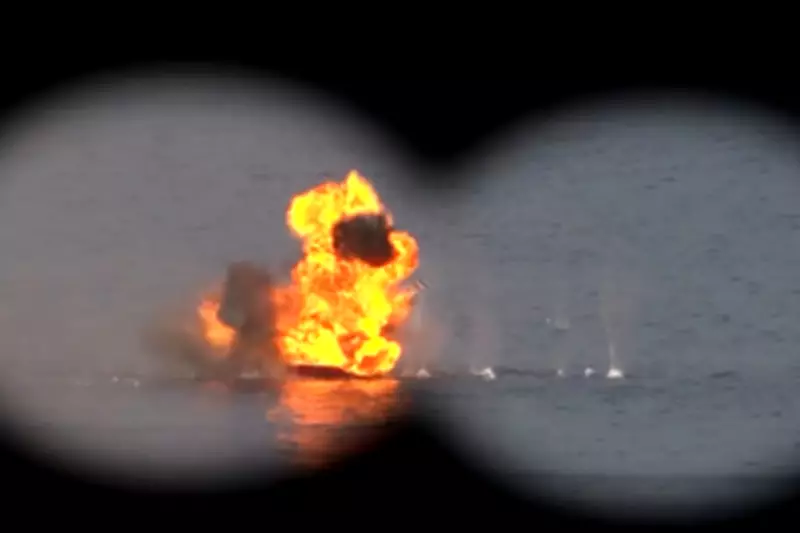
Iran has intensified its military activities by conducting drills in the strategic Strait of Hormuz, a move seen as a display of power on the eve of nuclear negotiations with the United States. The indirect talks have commenced in Geneva, with US representatives Steve Witkoff and Jared Kushner engaging with Iranian Foreign Minister Abbas Araghchi, facilitated by Omani officials as mediators.
Key Figures and Stakes in the Negotiations
Iran's supreme leader, Ayatollah Ali Khamenei, issued a stern warning to former US President Donald Trump against any military intervention, emphasizing the high stakes of the discussions. Iranian officials have made it clear that the success of these talks depends heavily on the US lifting economic sanctions and refraining from making unrealistic demands that could derail progress.
Trump's Position and Regional Tensions
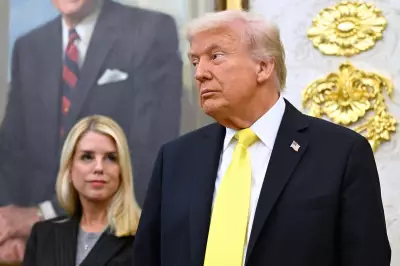
Donald Trump has publicly advocated for regime change in Tehran, yet he maintains that Iran is seeking a deal. Concurrently, the US military has been preparing for potential operations against Iran, following recent troop withdrawals from eastern Syria, adding to the geopolitical tension in the region.

Iran's Firm Stance on Sovereignty
In response to Trump's threats, Iranian Foreign Minister Abbas Araghchi firmly rejected any notion of submission, asserting that Iran is in Geneva to secure a fair and equitable agreement. This comes amid growing concerns over the possible closure of the Strait of Hormuz, a critical chokepoint for global oil shipments, which could significantly impact worldwide oil prices and economic stability.
The military drills, which included missile test firings during war games, serve as a stark reminder of Iran's capabilities and its readiness to defend its interests. As the talks progress, the international community watches closely, aware that the outcome could shape not only US-Iran relations but also broader Middle Eastern dynamics and global energy markets.