Iran's Supreme Leader has broken his silence on the recent wave of civil unrest, publicly acknowledging for the first time that "several thousand" people have been killed in the nationwide protests.
Supreme Leader Breaks Silence on Casualties
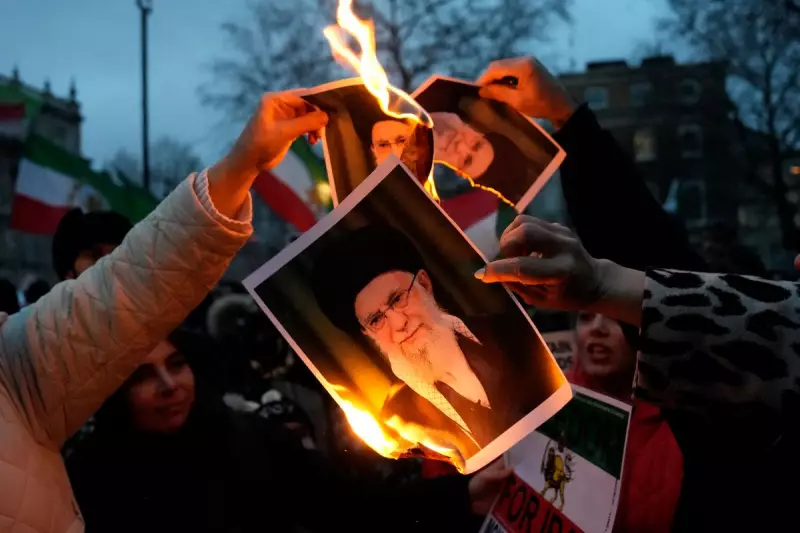
Ayatollah Ali Khamenei's rare admission came as daily protests and clashes continue to grip the streets of Iran. The demonstrations, which first ignited in December, were initially a response to severe economic hardship but rapidly escalated into a broader challenge against the country's clerical leadership.
In a significant shift from the government's previous stance, Khamenei confirmed the substantial death toll. However, he immediately deflected responsibility, launching a fierce accusation against foreign powers. He claimed that former US President Donald Trump, alongside Israel and the United States, orchestrated the violence and were ultimately to blame for the casualties and widespread damage.

Human Rights Groups Report Staggering Figures
Independent human rights organisations have been monitoring the crackdown, reporting figures that align with the Supreme Leader's admission. The group HRANA has documented over 3,000 fatalities since the protests began. Their data indicates that among the dead are at least 2,885 protesters, with more than 22,000 individuals arrested by security forces.
Despite the stark numbers from activists, the Iranian government has sent mixed signals regarding its next steps. While officials in Tehran have denied any plans for mass executions, the country's prosecutor general has issued a stern warning. He stated that detainees, particularly those identified as alleged "ringleaders" accused of inciting the unrest, would face severe punishment.
A Nation in Crisis as International Scrutiny Grows
The situation presents a deepening crisis for the Islamic Republic. The acknowledgment of mass casualties by its highest authority underscores the scale of the unrest that has shaken the nation. Khamenei's strategy of blaming external adversaries, a common tactic, is seen by many analysts as an attempt to consolidate domestic support and frame the dissent as a foreign-backed conspiracy rather than a homegrown movement for change.
The international community continues to watch closely, with human rights advocates calling for independent investigations into the reported killings and arrests. The future trajectory of the protests and the government's response remains highly uncertain, casting a long shadow over Iran's political stability.