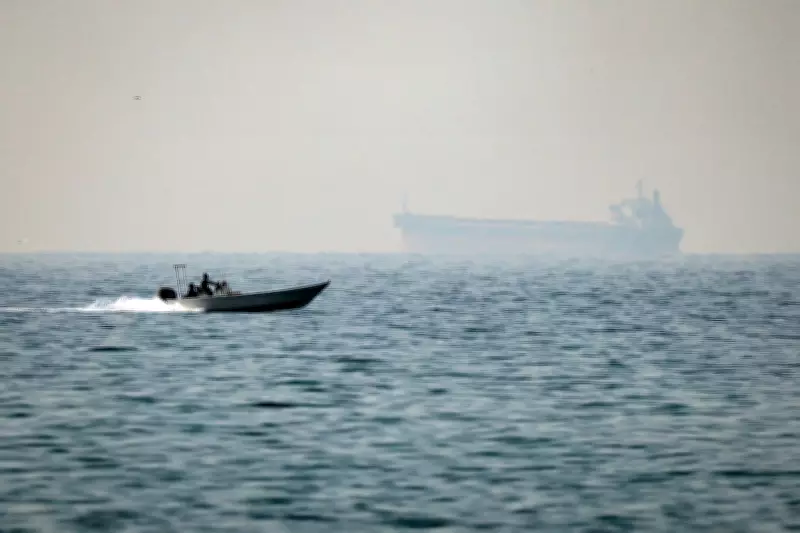
Iran Closes Strait of Hormuz Following US-Israel Military Strikes
In a dramatic escalation of tensions, Iran has reportedly closed the Strait of Hormuz in response to a joint military attack by the United States and Israel. This strategic move has led to the immediate suspension of crude oil, fuel, and liquefied natural gas shipments by major oil companies and trading houses, with satellite imagery revealing a significant accumulation of vessels near key ports in the region.
Immediate Impact on Global Energy Markets
The closure of the Strait of Hormuz, a critical maritime chokepoint that handles approximately 20% of the world's oil supply and substantial volumes of liquefied natural gas, has sent shockwaves through global energy markets. Disruptions are already affecting LNG tankers, posing severe risks to exports from Qatar and other Gulf states. The situation threatens to exacerbate existing supply chain vulnerabilities and could lead to price volatility in international markets.
Military and Diplomatic Responses
Iran's Revolutionary Guards have issued orders prohibiting all passage through the Strait, although the UK Navy has stated that these directives are not legally binding under international law. Nevertheless, the UK has advised extreme caution for vessels in the area. Concurrently, the US Navy has issued warnings against navigation in the region, while Greece's shipping ministry has recommended that ships avoid the Persian Gulf, Gulf of Oman, and the Strait of Hormuz entirely. The US has also released video footage of the initial strikes against Iran, underscoring the military action that precipitated this crisis.

Broader Implications for Regional Stability
This development marks a significant escalation in the ongoing geopolitical tensions between Iran and Western allies, with potential ramifications for global trade and security. The Strait of Hormuz is not only vital for energy exports but also a flashpoint for international disputes. The closure could trigger further diplomatic and military responses, heightening the risk of broader conflict in the Middle East. Stakeholders are closely monitoring the situation for any signs of resolution or further deterioration.