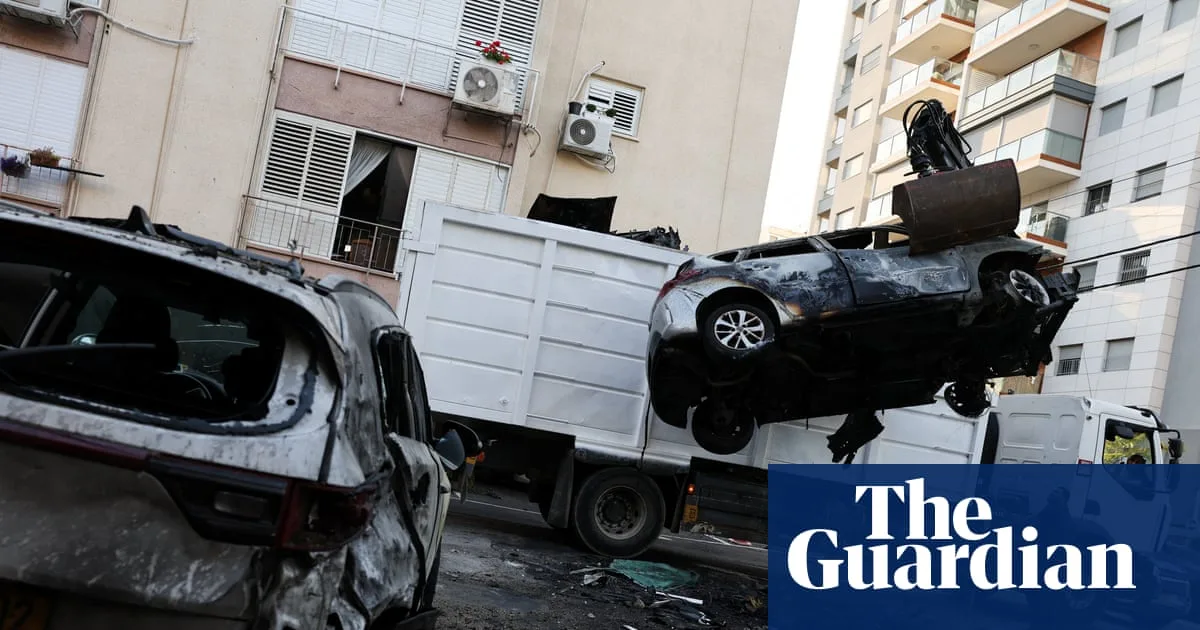
Iranian drones struck the US embassy in Riyadh on Tuesday, causing a minor fire and prompting the diplomatic mission to advise Americans to keep their distance from the compound. The attack followed a similar strike on the US embassy in Kuwait, as Iran continued to target US bases, facilities, and personnel in Arab Gulf states.
The strikes came as part of Iran's ongoing retaliation against Israeli-US airstrikes, which began on Saturday with attacks on Tehran that killed Supreme Leader Ali Khamenei. Donald Trump, the US president, rejected any possibility of dialogue with Tehran, stating on his Truth Social platform: "Their air defense, Air Force, Navy and Leadership is gone. They want to talk. I said 'Too Late!'" He added that the US was prepared "to go far longer" than a four to five-week war against Iran.
Israel announced an "extensive" wave of airstrikes in Tehran and issued evacuation orders for areas around an airport in Karaj. Israeli ground troops entered southern Lebanon, with Defence Minister Israel Katz instructing soldiers to "hold and advance" into areas to prevent further Hezbollah fire on northern Israel. In response, Hezbollah's deputy head Mahmoud Qamati declared an "open war" with Israel, and the group launched missile salvoes towards military bases in northern Israel.
The conflict has rapidly expanded to involve at least nine countries and various pro-Iran groups. Israeli Prime Minister Benjamin Netanyahu said the war against Iran could take "some time" but would not be "an endless war." US officials, including Secretary of State Marco Rubio, warned that "the hardest hits are yet to come," while Defence Secretary Pete Hegseth publicly entertained the possibility of US ground troops in Iran, a move analysts caution against due to Iran's challenging geography.
Justifications for the US-led campaign have varied, with Rubio claiming the US was forced into action by anticipated Israeli strikes that would provoke attacks on American forces. Trump has cited both regime change and preventing Iran from developing nuclear weapons as goals, though Iran denies seeking such weapons. The conflict has resulted in hundreds of deaths across the region, the majority in Iran.