Womadelaide 2026: A Festival of Dance and Liberation Amidst Global Unrest
In a year marked by international tensions, Womadelaide 2026 emerged as a vibrant sanctuary of movement and music, with the legendary Grace Jones leading the charge. Held from 6th to 9th March at Botanic Park in Adelaide, the festival saw crowds embracing the compulsion to dance, undeterred by the world's darker headlines.
Calm Atmosphere and Logistical Hurdles
Opening night greeted attendees with a mild 25°C, a welcome respite after previous years of scorching 40°C heat. This cooler weather set a relaxed tone, allowing festival-goers to ease into the weekend's festivities. However, behind the scenes, organisers faced significant challenges. Due to the crisis in Iran, flights for 101 artists had to be rearranged, resulting in the cancellation of four groups. Additionally, Palestinian DJ Sama' Abdulhadi was unable to perform as her visa was not approved in time.
Despite these obstacles, the on-ground vibe was overwhelmingly positive. As Kenyan artist Blinky Bill noted, "The world is killing my vibe, it's killing our vibe, and it's killing people as well. Today, we're just going to have fun." His sentiment echoed throughout the park, where audiences were thick with a desire to move, sway, and celebrate.

Diverse Performances and Cultural Highlights
Over four days, Womadelaide presented a rich tapestry of world music. From the funky blends of Blinky Bill to the jazz improvisations of BADBADNOTGOOD, the audience remained constantly on their feet. Children on shoulders enjoyed Baker Boy, while the Swedish a cappella group Åkervinda performed alongside a chorus of bats in the trees above.
Political undertones surfaced occasionally, such as when Orange Blossom's call of "fuck Trump" elicited sing-alongs, and Italian artist Javanotti's queries about language prompted enthusiastic responses. The festival also featured poignant moments, like Marlon Williams bringing a Māori choir on stage, and rumours of Ed Sheeran joining Beoga—though he never appeared, the band playfully embraced the speculation.
Grace Jones: A Legendary Headliner
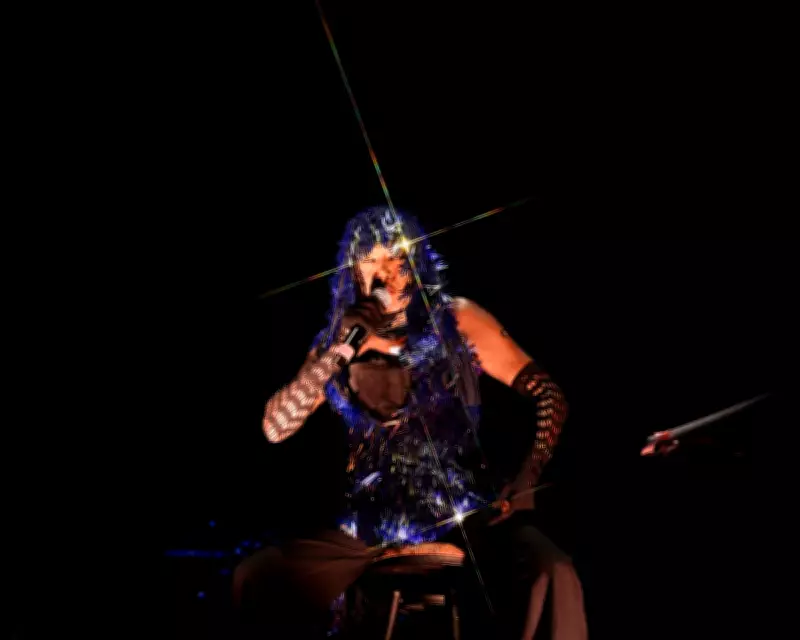
The undisputed highlight was Grace Jones, who closed the main stage on Saturday night. At 77 years old, Jones delivered a performance that was both liberated and chaotic. She arrived late, changed costumes frequently, and punctuated her set with blackouts, sexual jokes, and requests for wine. In a memorable moment, she climbed onto a security guard's shoulders and was carried through the crowd, later keeping a hula-hoop spinning throughout her final number.
Her proclamation, "Adelaide, I wanna get laid!" captured the joyous, unfiltered spirit of her show. The audience lapped it up, celebrating a woman who, after decades in the industry, remains unapologetically herself. As Jones reflected, "I like certain things too much. Don't we all?" At Womadelaide, such indulgence was not just accepted but celebrated.
Older Black Women Taking Centre Stage
A recurring theme this year was the prominence of older black women artists, each embracing their passion and talent. Alongside Jones, Annie & The Caldwells, a 67-year-old matriarch from Mississippi, led a family gospel band in the blazing sun. Though her Pentecostal messages received mixed responses, her rich, deep voice and decades of experience resonated powerfully under the Kaurna country skies.
Similarly, Kankawa Nagarra, a 79-year-old Walmatjarri Elder, shared Dreamtime stories and blues melodies, having first picked up a guitar at age 40. When she invited the audience to dance, groups congregated on the grass, extending the performance beyond the stage. These women exemplified the festival's ethos: no matter the music or mood, the compulsion to move prevailed.
Conclusion: A Celebration of Resilience
Womadelaide 2026 proved to be more than just a music festival; it was a testament to human resilience and joy in challenging times. From the logistical triumphs to the electrifying performances, the event showcased how art can unite and uplift. As crowds danced through sunsets and starry nights, they embodied a simple truth: in dark times, the need to celebrate and connect through music remains undimmed.