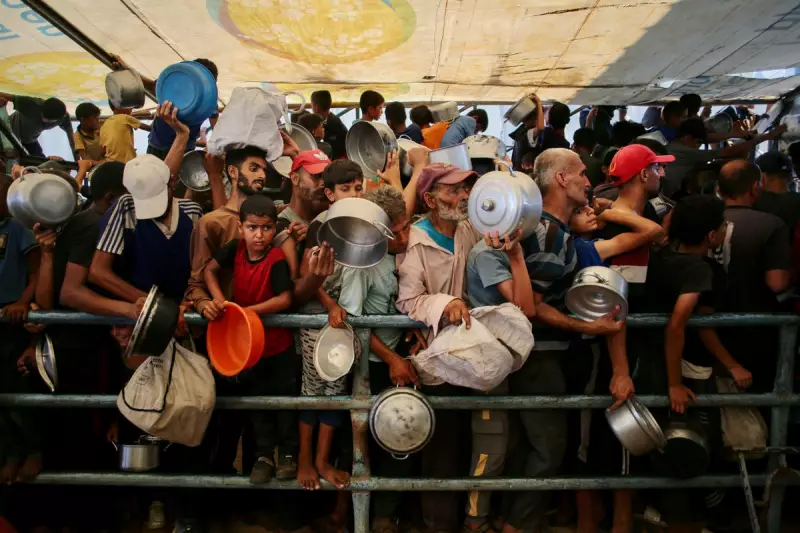
The humanitarian catastrophe in Gaza has reached alarming new heights, with reports of widespread starvation and preventable deaths mounting daily. As Israeli military restrictions continue to severely limit aid deliveries, international voices—including UK Shadow Foreign Secretary David Lammy—are demanding immediate action.
Aid Blockades and Rising Death Toll
According to humanitarian organisations, dozens of Palestinians, including children, have died from malnutrition and dehydration in recent weeks. The Israeli Defense Forces (IDF) maintain strict control over aid entering Gaza, leading to severe shortages of food, clean water, and medical supplies.
"This is not just a failure of policy—it is a moral catastrophe," Lammy stated. "The international community cannot stand by while innocent civilians, including infants, perish from entirely preventable causes."

International Condemnation Grows
The United Nations has repeatedly warned of famine-like conditions in northern Gaza, where access to aid remains critically restricted. Despite global calls for a ceasefire and increased humanitarian access, Israel insists its security measures are necessary.
Medical professionals on the ground report harrowing scenes of emaciated children and collapsing healthcare infrastructure. "Hospitals lack even basic supplies to treat malnutrition," said one doctor working in Rafah. "We are watching people die from hunger in real time."
Political Fallout and Calls for Action
The crisis has intensified diplomatic tensions, with UK Labour Party figures urging stronger international intervention. Lammy has called for an immediate increase in aid deliveries and pressure on Israel to comply with international law.
Meanwhile, Israeli officials argue that Hamas bears responsibility for diverting aid. However, aid agencies insist that bureaucratic delays and arbitrary rejections of essential supplies by Israeli authorities are the primary obstacles.
As the death toll climbs, the question remains: how many more must suffer before decisive action is taken?