France Bans Trump's Ambassador Kushner from Government Meetings After No-Show
France Bans Trump's Ambassador Kushner from Government Meetings

France Imposes Ban on Trump's Ambassador After He Skips Summons Over Controversial Comments

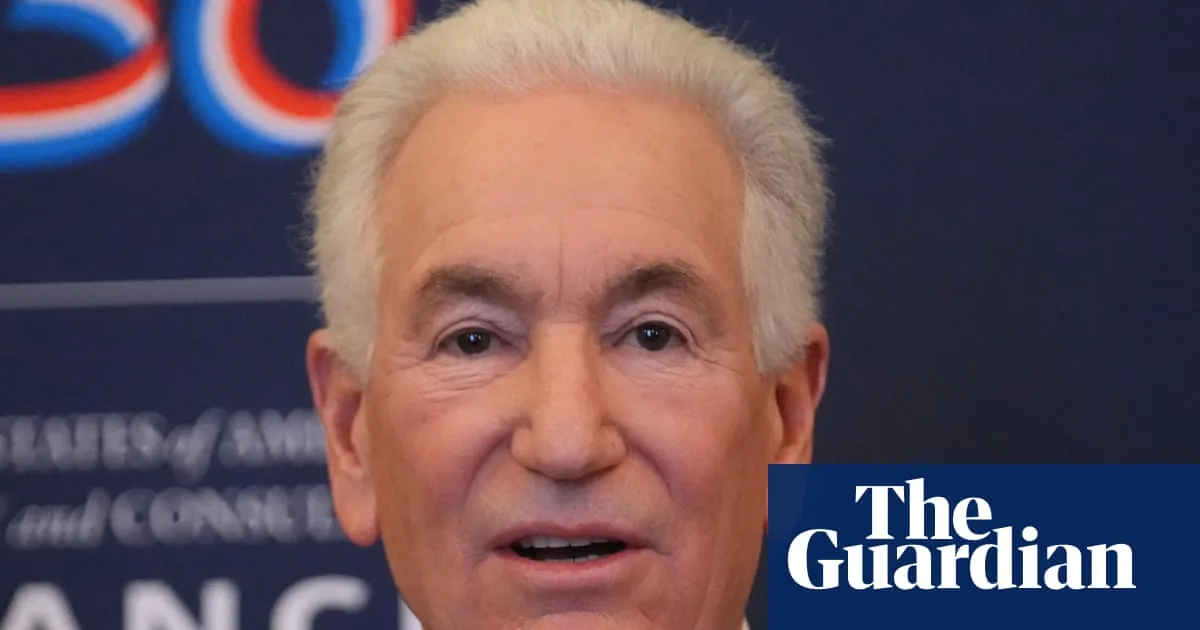
In a significant diplomatic escalation, the French government has prohibited Charles Kushner, the United States ambassador appointed by former President Donald Trump, from meeting with French officials. This punitive measure follows Kushner's failure to attend a scheduled meeting with Foreign Minister Jean-Noel Barrot, where he was expected to clarify remarks made by the US State Department regarding the death of a far-right activist in France.

Repeated Snubs and Rising Tensions

The incident marks the most confrontational action taken by Paris against the Trump administration, which French authorities accuse of repeatedly meddling in domestic affairs. This is not the first time Kushner has ignored a summons; in August, he similarly avoided a meeting after criticizing France's handling of antisemitism, prompting official displeasure.

The current controversy stems from the US embassy in Paris reposting comments from Washington about Quentin Deranque, a 23-year-old far-right activist who died from head injuries during clashes between radical-left and far-right supporters in Lyon earlier this month. Foreign Minister Barrot condemned any exploitation of the killing "for political ends" and summoned Kushner for explanations.

Wide Pickt banner — collaborative shopping lists app for Telegram, phone mockup with grocery list

Ambassador Cites Personal Commitments

Instead of attending, Kushner cited "personal commitments" and sent a senior embassy official in his place. In response, the French foreign ministry issued a statement declaring that, due to this "apparent failure to grasp the basic requirements of the ambassadorial mission and the honour of representing one's country," Barrot has requested that Kushner no longer be granted direct access to members of the French government.

However, the ministry clarified that Kushner may continue his diplomatic duties and engage in "exchanges" with officials, indicating a partial rather than total suspension of his functions.

Broader Political Context and International Reactions

Deranque's death has heightened political tensions in France, with over 3,000 people marching in Lyon in tribute, amid heavy security deployments to prevent further violence. The incident has also sparked international commentary, notably from Italy's Prime Minister Giorgia Meloni, leading to a war of words with French President Emmanuel Macron, who urged her to refrain from commenting on other nations' affairs.

US State Department officials have weighed in publicly, with Under Secretary for Public Diplomacy Sarah Rogers stating on social media that Deranque's killing demonstrates "why we treat political violence -- terrorism -- so harshly." The State Department's counter-terrorism bureau separately posted about the rise of "violent radical leftism" and its threat to public safety, linking it to Deranque's death.

Background and Implications

Charles Kushner, whose son Jared is married to Trump's daughter Ivanka, assumed his ambassadorial role in Paris last year. His repeated avoidance of French summonses underscores ongoing friction in US-France relations, particularly concerning perceptions of interference. The Daily Mail has reached out to the White House for comment on the ban, but no response has been reported yet.

This development occurs against the backdrop of a politically charged environment in France, with tensions between left and right factions intensifying ahead of the 2027 presidential election. The ban on Kushner highlights the delicate balance in diplomatic engagements and the consequences of perceived disrespect or non-cooperation in international affairs.

Pickt after-article banner — collaborative shopping lists app with family illustration