FCDO Updates Travel Guidance Amid Escalating Middle East Tensions
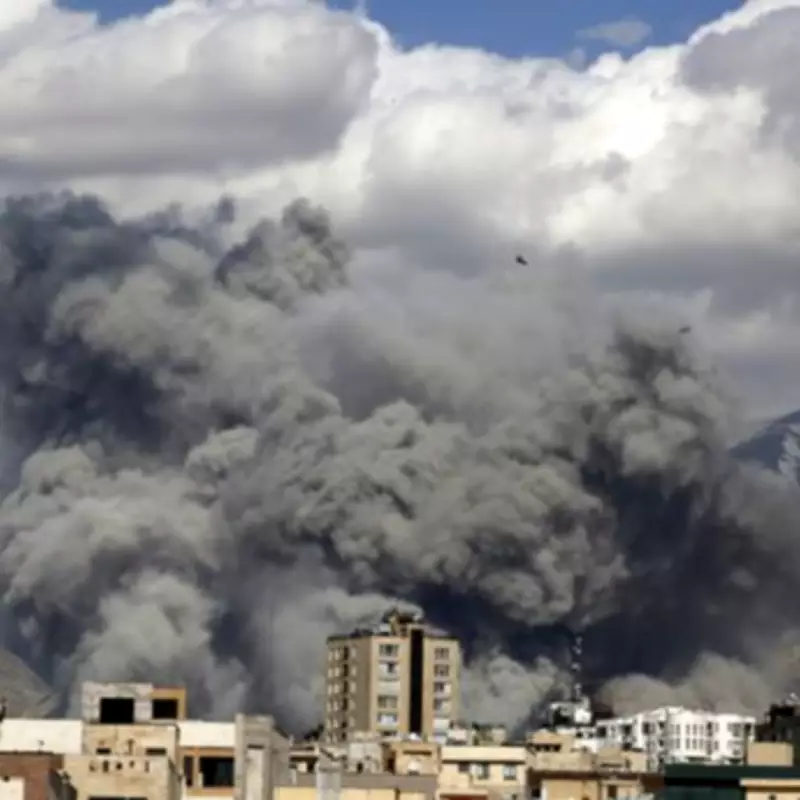
The Foreign, Commonwealth and Development Office (FCDO) has issued revised travel advice for numerous countries, with 76 territories currently flagged as having areas that British nationals should avoid. This update comes as tensions continue to mount across the Middle East, following a wave of strikes by the US and Israel that resulted in the death of Iran's Supreme Leader Ali Khamenei.
Comprehensive List of Countries with Travel Restrictions
Out of 226 countries or territories covered by foreign travel guidance pages, 76 are now marked as containing no-go zones. The FCDO categorises these warnings into four main groups:
- FCDO advises against all travel: This includes nations such as Afghanistan, Belarus, Burkina Faso, Haiti, Iran, Iraq, Israel, Mali, Niger, Palestine, Russia, South Sudan, Syria, Venezuela, and Yemen.
- FCDO advises against all travel to parts: Countries like Algeria, Armenia, Azerbaijan, Benin, Burundi, Cameroon, Central African Republic, Chad, Congo, Côte d’Ivoire, Democratic Republic of the Congo, Djibouti, Egypt, Eritrea, Ethiopia, Georgia, India, Indonesia, Jordan, Kenya, Lebanon, Libya, Mauritania, Moldova, Mozambique, Myanmar (Burma), Nigeria, Pakistan, Philippines, Saudi Arabia, Somalia, Sudan, Togo, Tunisia, Turkey, Ukraine, and Western Sahara have specific regions deemed unsafe.
- FCDO advises against all but essential travel: This group includes Bahrain, Cuba, North Korea, Kuwait, and Qatar.
- FCDO advises against all but essential travel to parts: Nations such as Angola, Bangladesh, Bolivia, Brazil, Cambodia, Colombia, Ecuador, Ghana, Guatemala, Kosovo, Laos, Malaysia, Mexico, Papua New Guinea, Peru, Rwanda, Tanzania, and Thailand have restricted areas.
Impact on British Nationals and Travel Plans
Approximately 300,000 British nationals are estimated to be located in countries within Iran's crosshairs, with 102,000 having registered with the Foreign Office. Prime Minister Keir Starmer has confirmed that the government is "looking at all options to support our people", including potential large-scale evacuation plans. However, Sir Keir initially refused the use of UK bases by the US during strikes against Iran, a decision that faced criticism from Donald Trump, before later granting permission for such use to safeguard targeted nations.

Explosions have been reported in Jerusalem, Dubai, Abu Dhabi, Doha, and Manama, leading to significant disruptions for British travellers. Airlines worldwide have maintained flight suspensions across the Middle East following "major combat operations", causing upheaval for countless holidaymakers, particularly those favouring destinations like Dubai.
Risks and Consequences of Ignoring FCDO Advice
The FCDO strongly urges anyone planning to visit the Middle East to monitor the latest travel advice, review crisis guidance, and adhere to local authorities' instructions. Factors prompting these warnings include political turmoil, natural catastrophes, and safety fears. Should individuals travel contrary to FCDO guidance, their travel insurance could be rendered void, and consular assistance may be limited in emergencies.
This comprehensive update underscores the critical importance of staying informed through official channels and airline communications to ensure safety abroad.