When Fandom Tattoos Become Regrets: Morrissey, Manson and Problematic Idols
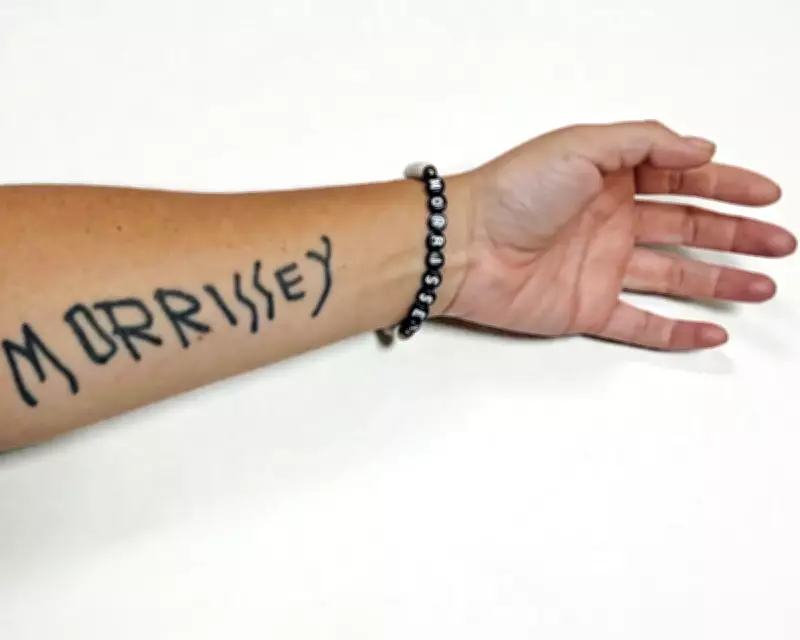
On a February day in 2012, Coté Arias met Morrissey at a fan event in Santiago, Chile. The former Smiths frontman signed her forearm in bold letters, which she later had permanently inked as a tattoo. For Coté, this was the culmination of years of devotion, having founded Morrissey's Chilean fanclub. "Morrissey had such an impact on me growing up," she recalls. "I struggled with shyness and lacked confidence, and his lyrics helped me feel seen during my transition into adulthood."
The Complicated Legacy of Inked Devotion
However, in recent years, that tattoo has taken on more complex meanings. "The tattoo is very visible," Coté explains, "so it's brought up many discussions regarding Morrissey's comments." Morrissey has publicly supported far-right parties and made inflammatory remarks about immigration, though he denies allegations of racism. Coté's experience is not unique; it reflects a broader cultural reckoning across fan communities as people confront their evolving relationships with idols from their youth.
Fandoms often drive extreme behaviours, from queuing for hours to spending heavily on merchandise. Historically, such devotion dates back centuries, from Roman gladiator followers to 19th-century Lisztomania. In modern times, fans might plaster walls with posters or run dedicated social media accounts, but tattoos represent a more permanent pledge of loyalty.

Embarrassment and Emotional Turmoil
For many, these tattoos become sources of embarrassment. Ella, who grew up with Pokémon, got a Pikachu tattoo on her wrist when starting university. "It felt grownup and bold," she says, but by her mid-20s, she began to hate it, especially after being asked about it in a job interview. She started wearing long sleeves to cover it up, even in summer, and is now undergoing painful laser removal. "It's expensive, but worth it. I think I'd feel more confident without it."
Grace from London took similar action, covering up a Blink-182 smiley logo on her hip with a shaded rose. "It's maybe equally bad, but at least it's slightly less embarrassing," she admits. Others, like Tim from Bristol, choose to embrace the awkwardness. His tattoo reads "3:04" in a calculator font, referencing a Frank Ocean song, but upside-down, it spells "hoe." "It's a nice reminder of how careless I was," he says, with no plans for removal.
Deeper Emotional Conflicts
Beyond embarrassment, tattoos can evoke grief and identity conflicts. Kai from Seattle, who is non-binary, regrets a Harry Potter Deathly Hallows tattoo after J.K. Rowling's controversial comments on trans issues. "My tattoo now feels like being branded," Kai shares. "I cringe when Harry Potter fans try to engage with me about new material." Similarly, Josh from Brazil is reworking a Kanye West tattoo after the rapper's antisemitic statements, reflecting a common struggle to separate art from artist.
Dr. Paige Klimentou, a popular culture academic, covered up a Brand New tattoo after sexual misconduct allegations against the band's lead singer. "I felt complicit in showing support," she explains, adding that navigating fandom in the post-#MeToo era is complex. Olivia Jordan from New Zealand considered covering a Marilyn Manson tattoo after abuse allegations, but due to cost and size, she has learned to live with it. "I look at it now and fondly remember a time when I didn't think so much about lifelong consequences," she says.
Renegotiating Fandom Relationships
Not all fans opt for removal or cover-ups. For some, the solution lies in redefining what the tattoo means. Coté has come to terms with her Morrissey ink through conversations. "As fans, we are not forced to like everything the artist does or agree with their philosophy, which likely changes over time," she notes. Despite disagreeing with his views, she remains a "Moz megafan."

Dismissing the role of fandom communities during formative years would mean turning our backs on parts of our identities. Instead, we can reflect on past joys, wince at problematic headlines, and renegotiate our relationships with fandom, appreciating what it once offered without feeling bound to loyalty. This process allows fans to honour their pasts while acknowledging present complexities, turning tattoos from symbols of regret into reminders of personal growth and resilience.