European political figures have issued a sharp rebuke to former US President Donald Trump, following his controversial remarks concerning the potential acquisition of Greenland and associated trade threats.
A Stark Ultimatum from the Campaign Trail
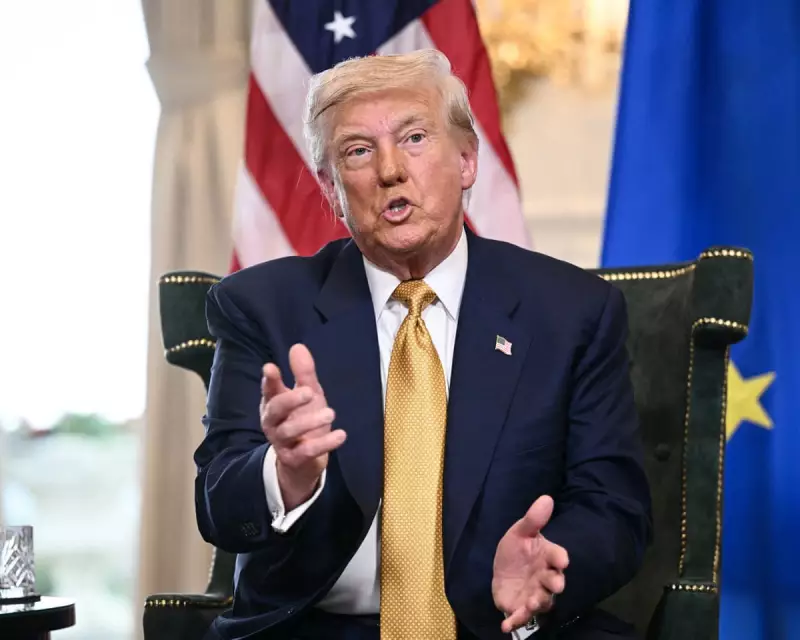
Speaking at a campaign rally, Trump stated he would consider imposing significant tariffs on European Union goods if Denmark, which holds sovereignty over Greenland, refused to sell the vast Arctic territory to the United States. The comments, made on Saturday, have sent shockwaves through diplomatic channels. Trump explicitly framed the issue as a transactional matter, suggesting the US had "protected" Denmark and by extension Greenland through NATO, and therefore a refusal would warrant economic retaliation.
This is not the first time Trump has expressed interest in purchasing Greenland. During his presidency in 2019, his administration's informal inquiries were swiftly and firmly dismissed by the Danish government, which called the idea "absurd." The latest statements have reignited this diplomatic friction, elevating it to a potential trade conflict.

European Backlash and Diplomatic Principles
The reaction from European leaders was swift and unequivocal. Danish Prime Minister Mette Frederiksen, who previously rejected Trump's overtures, led the condemnation. She emphasised that Greenland is not for sale and that its future rests solely with its people. Frederiksen criticised Trump's approach as undermining the fundamental principles of sovereignty and partnership between allied nations.
Support for Denmark's position came from across the continent. French President Emmanuel Macron labelled the tariff threat as "unacceptable coercion" and detrimental to the spirit of the transatlantic alliance. Similarly, German Chancellor Olaf Scholz expressed deep concern, stating that territorial integrity and sovereign choice cannot be commodified or enforced through economic pressure.
The European Commission's President also weighed in, warning that the EU would respond collectively and decisively to any unjustified tariffs, highlighting the bloc's readiness to defend its economic interests.
Broader Implications for Transatlantic Relations
Analysts suggest this episode signals a potential return to the more confrontational and transactional style of diplomacy that characterised Trump's first term, should he win the upcoming November election. The threat specifically targets the delicate balance of NATO alliances, where mutual defence is framed not as a shared commitment but as a service with a price tag.
Furthermore, the situation places Greenland's local government in a pivotal position. Greenland possesses significant autonomy, and its Premier has consistently asserted the territory's right to self-determination. The global strategic interest in the Arctic, due to its resources and shipping routes, adds a layer of geopolitical tension to the dispute.
The consensus among European capitals is clear: Trump's proposition and associated threats are viewed as a direct challenge to the rules-based international order. This incident is likely to fuel ongoing European debates about strategic autonomy and reducing dependency on a potentially unpredictable ally. The firm, unified response aims to set a precedent that sovereign decisions are not open to negotiation under the duress of trade wars.