

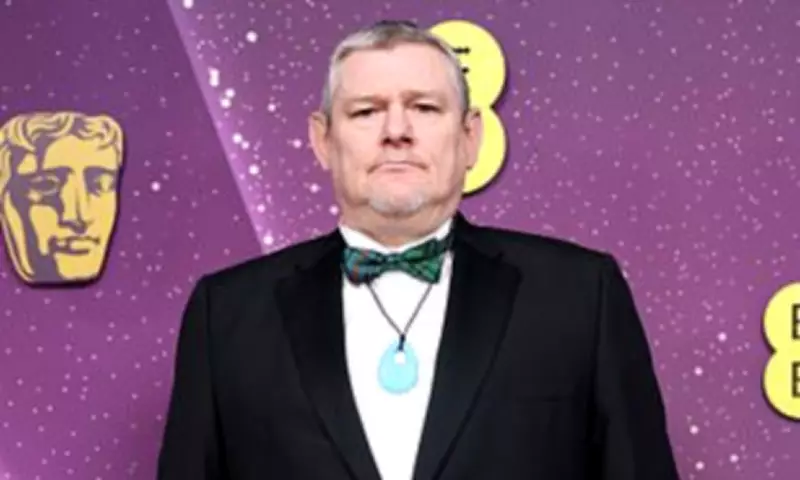
Bafta-Winning Director Criticises Broadcast of Tourette's Outburst
Kirk Jones, the director of the Bafta-winning film I Swear, has asserted that Tourette's campaigner John Davidson was profoundly 'let down' after his racist outburst was broadcast during the BBC's coverage of the ceremony. The incident occurred at the BAFTAs held at the Royal Festival Hall in London last Sunday, where Davidson, 54, involuntarily yelled the N-word at black actors Michael B. Jordan and Delroy Lindo.
Davidson's Swift Apology and Shame
Following the event, the Scottish activist admitted to experiencing a 'wave of shame' over the outburst and issued a prompt apology, expressing that he was 'deeply mortified'. Davidson has suffered from a severe form of Tourette's syndrome since the age of 12, with one of his primary symptoms being coprolalia. This condition causes him to involuntarily utter socially inappropriate words or phrases, a fact highlighted by a previous incident where he famously shouted 'f*** the Queen' upon receiving his MBE from Queen Elizabeth II in 2019.
Director's Perspective on the Broadcast
In an interview with the Daily Telegraph, Jones elaborated on his viewpoint, stating, 'I think John was let down on many, many levels.' He specifically criticised the decision to air the tic, remarking, 'And I think the fact that that [tic] went out for broadcast was perhaps one of the worst ways in which he was let down on the night.' Jones argued that if the incident had been contained within the auditorium, Bafta could have managed the situation privately by apologising to guests the following day, thereby preventing the widespread dissemination of clips.

Details of the Outburst and Additional Tics
Davidson later revealed that he shouted ten different offensive words during the awards ceremony, not limited to the racial slur. In a conversation with Variety, he explained that a joke by BAFTAs host Alan Cumming about his sexuality and Paddington Bear triggered homophobic tics, leading to a shout of 'paedophile'. Davidson attributed this to the association with a children's character, emphasising the involuntary nature of his actions driven by Tourette's.
Broader Implications and Aftermath
The broadcast has ignited a debate on media responsibility and the portrayal of individuals with neurological conditions. Davidson has spoken out about his 'unbearable guilt and shame', describing how the offensive word 'burst out of me like a gunshot'. This incident underscores the challenges faced by those with Tourette's in public settings and raises questions about how such moments should be handled by broadcasters to balance transparency with sensitivity.






