A pivotal decision on China's long-delayed and controversial "mega embassy" in London is expected imminently, potentially ending a six-year diplomatic standoff and smoothing relations ahead of Prime Minister Keir Starmer's anticipated visit to Beijing.
The £255m Deal and Years of Wrangling
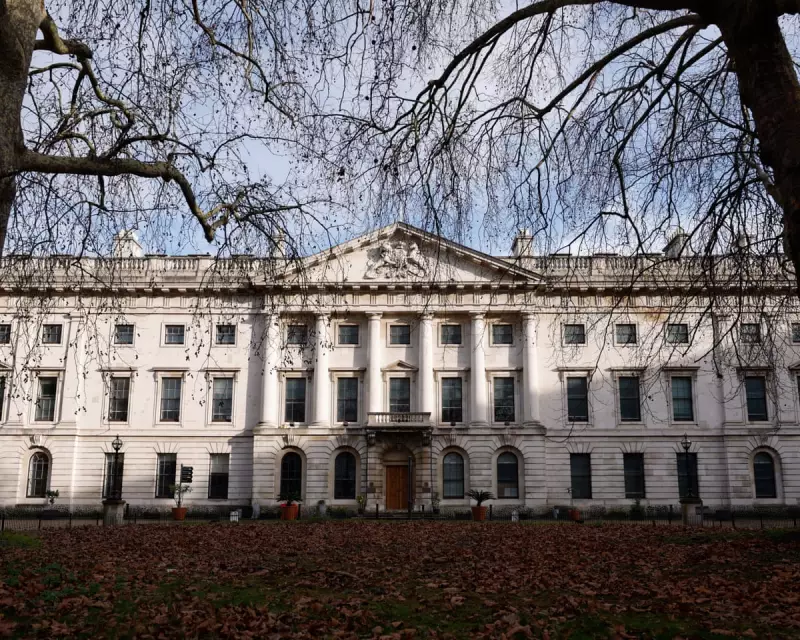
The saga began in 2018 when China paid £255 million for the prestigious Royal Mint Court site, adjacent to the Tower of London. The plan was to construct a sprawling diplomatic complex that would be its largest in Europe. The deal was brokered by Eddie Lister, a close aide to then-Foreign Secretary Boris Johnson, who later wrote to China's top diplomat Wang Yi to assure him the plans would be approved.
However, the project hit a major obstacle when Tower Hamlets council refused planning permission. The UK government declined to intervene at that time, allowing the application to expire—a move that reportedly left officials in Beijing "gobsmacked" that local authority decisions could impact state-to-state relations.

A Diplomatic Sticking Point
According to experts, this initial rejection created significant friction. Professor Steve Tsang of the Soas China Institute noted that the subsequent complications were seen in Beijing as "bad faith" on London's part. Professor Kerry Brown of King's College London added that China felt it had an understanding when purchasing the site, and the issues could have been flagged earlier.
The embassy issue became a priority for Beijing in bilateral relations. Chinese leader Xi Jinping raised it directly with Keir Starmer during their first phone call in August 2024. In a tit-for-tat move, China blocked the UK's plans to redevelop its own dilapidated embassy in Beijing for years.
Decision Imminent Amid Security and Political Concerns
After Labour entered government, China reapplied for planning permission. Ministers "called in" the decision, taking it out of the council's hands. A final decision is now expected on or before 20 January.
Despite opposition from MPs across the spectrum, the UK's security services reportedly believe they can manage the espionage risks posed by the enlarged site, which is near data cables running to the City of London. Approval would likely ease tensions before Starmer's expected trip to China at the end of January, which would be the first by a UK prime minister since Theresa May's 2018 visit.
However, the controversy will not end with approval. Local residents, in partnership with members of the Chinese diaspora—including Hongkongers, Tibetans, and Uyghurs—are crowdfunding a legal challenge, citing concerns over an enlarged Chinese presence. Regular protests have already occurred at the Royal Mint Court site.
Professor Brown warns the embassy will remain a "perpetual sore" in the relationship, requiring a consistent government position. A Foreign Office spokesperson stated that national security has been a priority and the decision rests independently with the Secretary of State for Housing, Communities and Local Government.