China Reverses Sanctions on British Politicians Following Diplomatic Engagement
In a significant diplomatic development, China has announced it will lift sanctions imposed on six serving British MPs and peers. This decision comes directly after the recent trip to Beijing by the UK's Prime Minister, Keir Starmer, marking a potential thaw in relations between the two nations.
The sanctions, originally implemented in 2021, targeted nine UK citizens who had been critical of China's actions on the global stage. Among those affected were five Conservative MPs and two members of the House of Lords, all of whom had been vocal in their scrutiny of Beijing's policies.
Profiles of the Sanctioned Individuals
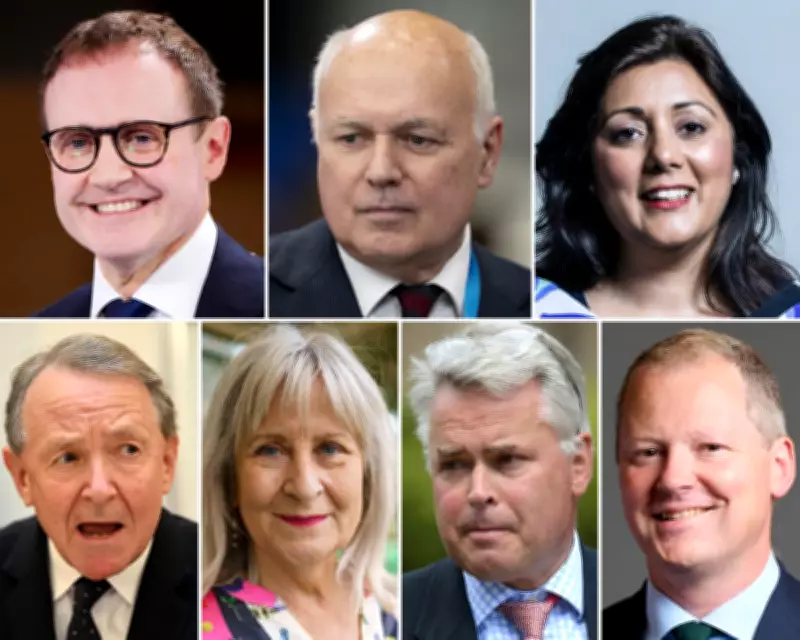
Tom Tugendhat, the MP for Tonbridge and former security minister, was first elected in 2015. With a background that includes military service in Iraq and Afghanistan, Tugendhat chaired the foreign affairs select committee from 2017 to 2022. He described the original sanctions as "a direct assault on British democracy and an attempt to silence the British people."

Iain Duncan Smith, MP for Chingford and Woodford Green and former Conservative party leader, was sanctioned for his role as co-chair of the Inter-Parliamentary Alliance on China. This international group examines China's influence in global trade, security, and human rights. Duncan Smith has been one of parliament's most consistent critics of Beijing's approach.
Nus Ghani, MP for Sussex Weald and deputy Commons speaker, made history as the first female MP for her constituency. In 2020, she launched an inquiry into Uyghur forced labour in UK supply chains. Shortly after her sanctioning, she successfully tabled a motion for parliament to recognise China's actions against the Uyghurs as genocide.
Neil O'Brien, MP for Harborough, Oadby and Wigston, serves as shadow minister for policy renewal. He co-founded the China Research Group with Tom Tugendhat in 2020, aiming to foster debate about Britain's response to China's rising global influence.
Tim Loughton, the former MP for East Worthing and Shoreham who stood down in the 2024 election, was sanctioned for his membership in the Inter-Parliamentary Alliance on China. As Starmer's statement specifically mentioned sitting parliamentarians, it remains uncertain whether Loughton will continue to face restrictions.
Helena Kennedy, a Labour peer and Scottish barrister, helped create the Inter-Parliamentary Alliance on China in 2020 and currently serves as its co-chair. With a distinguished legal career, she was appointed Queen's Counsel in 1991 and became a life peer in 1997.
David Alton, a crossbench peer and former Liberal MP, introduced the genocide amendment to the Trade Act in the Lords in 2021. This legislation would have prohibited the UK from trading with countries committing genocide. He characterised China's sanctions against him as "a crude attempt to silence criticism."
Context and Implications
The original 2021 sanctions represented Beijing's response to what it perceived as undue interference in its internal affairs by British politicians. The individuals targeted had been particularly active in highlighting concerns about human rights violations, especially regarding the treatment of Uyghur Muslims in Xinjiang province.
The lifting of these sanctions follows Prime Minister Starmer's diplomatic efforts in Beijing, suggesting a possible recalibration of the UK-China relationship. However, the fundamental disagreements over human rights and security issues that prompted the original sanctions remain largely unresolved.
This development raises important questions about the balance between diplomatic engagement and principled criticism in international relations. While the removal of sanctions may facilitate dialogue, it also highlights the ongoing tension between economic interests and human rights considerations in UK foreign policy.