Minister Confirms Chagos Deal Proceeds Despite US Concerns and Pause Confusion
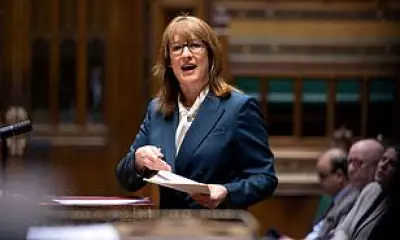
The Government has definitively signalled that the controversial Chagos Islands agreement is proceeding, following initial confusion after a minister suggested it had been paused due to concerns from the Trump administration. Foreign Office minister Hamish Falconer told the House of Commons on Wednesday that the deal had been "paused", but Government officials later clarified that he misspoke during his statement to Parliament.
Ministerial Clarification and US Opposition
Communities minister Alison McGovern went further in her remarks on Thursday morning, explicitly confirming the deal's continuation during an interview with Times Radio. When asked directly if the agreement was going ahead "100%", she responded affirmatively, stating: "Yes. My colleague the Foreign Secretary Yvette Cooper has been talking to Marco Rubio, her opposite number in the US, about it. Foreign policy is never easy. We will make progress on the Chagos deal."
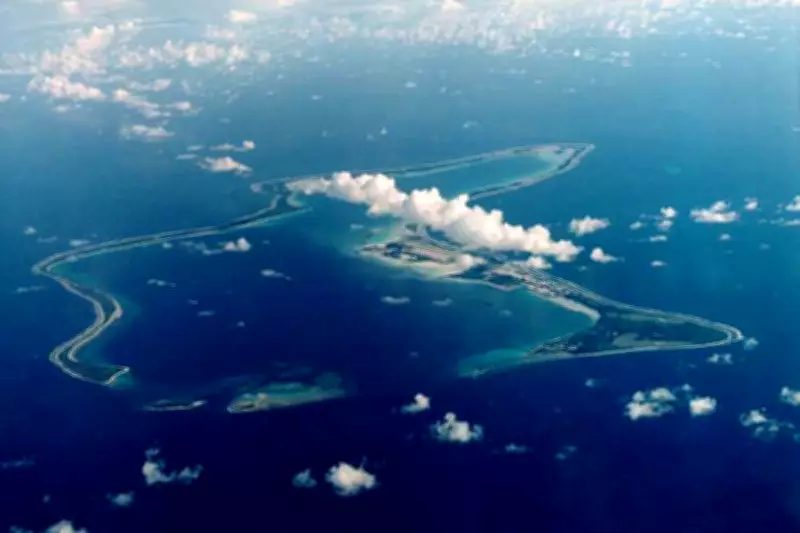
The £35 billion arrangement, which includes provisions for leasing back the strategically vital UK-US Diego Garcia military base to Mauritius, has faced substantial criticism from US President Donald Trump. The American leader has publicly described the agreement as a "big mistake" and directly urged Prime Minister Sir Keir Starmer: "Do not give away Diego Garcia."

Parliamentary Process and International Discussions
Minister McGovern was unable to provide specific timing regarding when the legislation to ratify the handover of the islands to Mauritius would return to Parliament for further scrutiny. The bill has not been debated in either the Commons or the Lords since January 20, despite being in its final legislative stages. When pressed by Times Radio whether she could categorically state the deal was definitely happening, she simply replied: "Yes."
During his Commons address, Mr Falconer acknowledged that while the United States administration had initially backed the agreement, there had been a "very significant" statement from the American president since that original support. He informed MPs: "There was support from the US administration for this treaty, which has not changed. There clearly has been a statement from the president of the United States more recently, which is very significant."
Government Position and Strategic Considerations
The minister explained that the Government was "now discussing those concerns with the United States directly" and indicated there would be a parliamentary process regarding the treaty. He stated: "We will have a process going through Parliament in relation to the treaty. We will bring that back to Parliament at the appropriate time. We are pausing for discussions with our American counterparts."
However, a senior Government source subsequently told the Press Association that Mr Falconer had misspoke regarding any pause in proceedings. The United Kingdom has consistently acknowledged that it will not proceed with the arrangement concerning the strategically important military base without securing support from the United States.
A Government spokesman explicitly stated: "There is no pause. We have never set a deadline. Timings will be announced in the usual way. We are continuing discussions with the US, and we have been clear we will not proceed without their support."
Background and Rationale for the Agreement
The Government has maintained that the Chagos Islands deal is necessary to guarantee the long-term future of the Diego Garcia base following an advisory International Court of Justice ruling in 2019 that supported Mauritian claims to sovereignty over the archipelago. Under the proposed arrangement, the United Kingdom would pay £34.7 billion in nominal terms over a 99-year period to secure continued use of the military installation.
This substantial agreement has encountered significant opposition from critics in both Westminster and the White House, creating diplomatic challenges for the Government as it navigates the complex international negotiations while maintaining parliamentary support for the controversial settlement.