
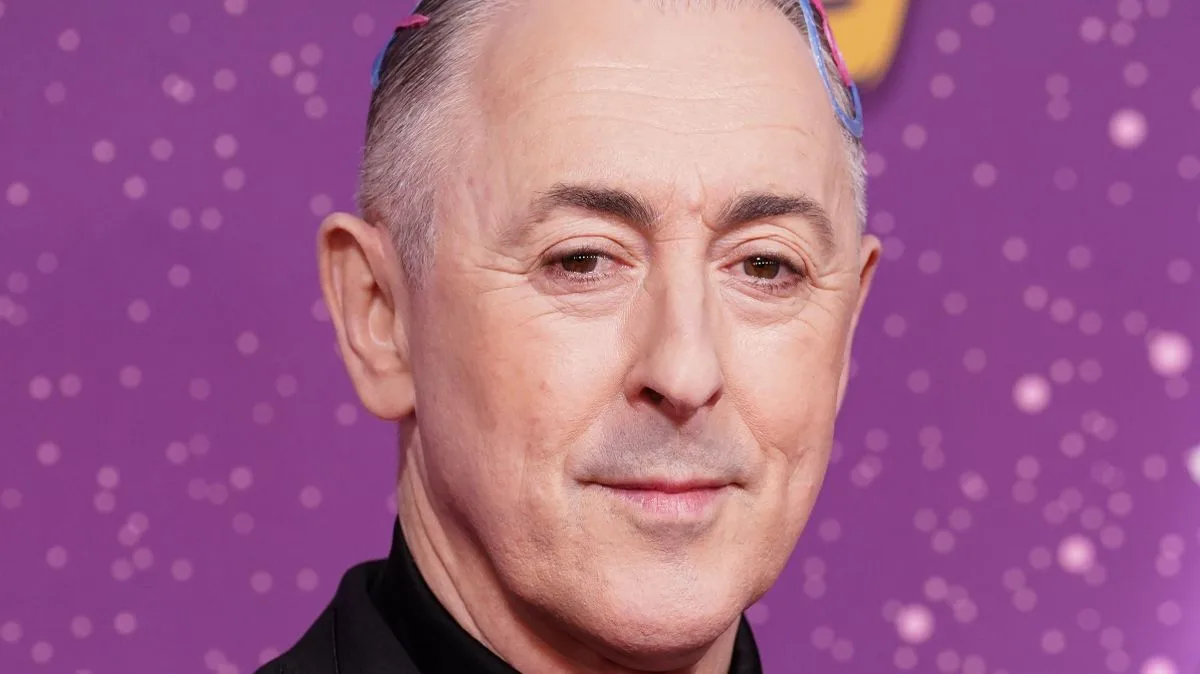
BAFTAs host Alan Cumming has broken his silence to criticise the BBC over the broadcast of a racial slur by a Tourette’s sufferer during last month’s ceremony. The Scottish star, 61, described the incident as a ‘trauma triggering sh**show’ and said the organisers were ‘let down’ by the broadcaster’s decisions.
The outburst occurred when John Davidson, a man with Tourette’s syndrome, involuntarily shouted the N-word as actors Michael B Jordan and Delroy Lindo presented the first award for special visual effects. Despite a two-hour delay between the live event and the BBC’s broadcast, the slur was not edited out and was heard by viewers at home.
Writing on Instagram, Cumming apologised for the pain caused but laid blame on the BBC, saying: ‘We were all let down by decisions made to both broadcast slurs and censor free speech.’ He also condemned the broadcaster for editing out the words ‘Free Palestine’ from filmmaker Akinola Davies Jr’s acceptance speech.
Davidson, whose condition is the subject of the BAFTA-nominated film ‘I Swear’, also criticised the BBC for failing to remove his involuntary tics. He said he felt ‘mortified’ and questioned why a microphone was placed near him, given his condition. He added that he had previously worked with the BBC on documentaries and expected them to be more aware.
The Scottish man’s outburst led to stunned reactions from presenters and overshadowed the evening’s achievements. Cumming concluded by congratulating artists whose work was ‘overshadowed by the night’s events’.




