British Airways Announces Additional Evacuation Flights from Oman for Stranded Nationals
BA Adds More Rescue Flights from Oman for Britons in Middle East

The British government and British Airways have announced a significant expansion of evacuation efforts for UK nationals stranded across the Middle East due to severe airspace disruptions. This comes as the conflict between Iran and the United States and its allies continues to paralyse regional aviation.

Additional Flights Confirmed for Weekend Departures

British Airways has confirmed it will operate two special rescue flights from Muscat International Airport in Oman to London Heathrow. These flights are scheduled to depart on Friday and Saturday, providing crucial additional capacity for British citizens seeking to return home.

Prime Minister Sir Keir Starmer informed Parliament that two further Government-chartered flights will also depart from Oman "in the coming days," underscoring the coordinated response between commercial carriers and official channels.

Current Evacuation Progress and Challenges

The evacuation operation is progressing amid considerable logistical hurdles. Sir Keir reported that over 1,000 British nationals successfully returned to the UK on commercial flights from the United Arab Emirates on Tuesday alone. A further eight UK-bound flights were scheduled to depart from the UAE on Wednesday.

However, authorities have clarified that there will not be a widespread evacuation of all 130,000 British nationals who have registered their presence in the region. The focus remains on providing options for those who can safely access departure points.

Muscat Emerges as Critical Evacuation Hub

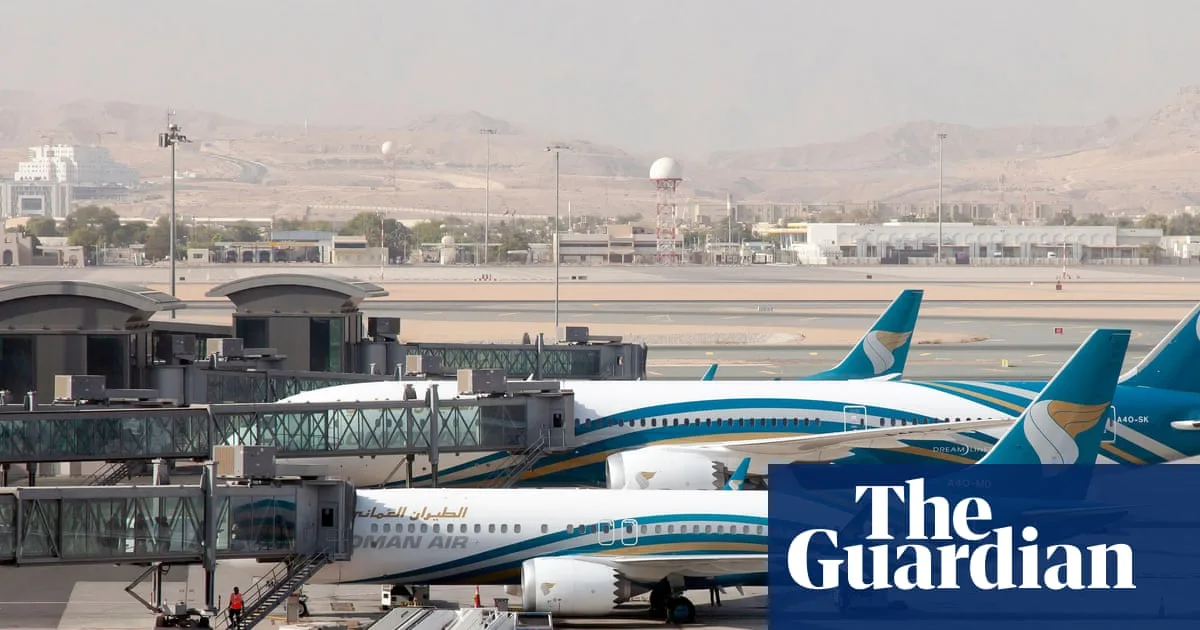
Muscat has unexpectedly become the primary evacuation gateway for the region. Unlike airports in Dubai, Abu Dhabi, and Doha—where the Foreign Office advises against travel—Muscat's airport remains accessible. The city can be reached by approximately 300-mile road journeys from both Dubai and Abu Dhabi.

British Airways, which does not typically serve Muscat, remains unable to operate its scheduled services from Abu Dhabi, Amman, Bahrain, Doha, Dubai, and Tel Aviv due to ongoing airspace restrictions. Most commercial flights from UAE hubs remain cancelled, though limited services continue from Dubai and Abu Dhabi.

Severe Capacity Constraints and Alternative Options

Flight-tracking service Flightradar24 reports that Muscat has "become a popular alternative for flying out of the region" but warns that "almost all scheduled flights from Muscat are fully booked." The service noted that private jets are being chartered "to evacuate those who can afford it," highlighting the desperation of some travellers.

Oman Air has maintained its two daily return flights between Muscat and Heathrow throughout the conflict, providing a rare consistent air link. The Foreign Office advises: "There are a limited number of commercial options available, including by air from UAE and from Oman. If your presence in UAE is not essential, you may wish to consider departing – if you judge you can access these options safely."

Regional Aviation Paralysis and Long-Term Impact

The disruption has crippled normally bustling aviation hubs. Approximately half a million passengers per day typically use airports in Dubai, Doha, or Abu Dhabi—vital connectors between Europe and Asia and Australia. Aviation experts now believe it could take weeks to clear the enormous backlog of stranded passengers once airspace fully reopens.

The first Government rescue flight and an initial British Airways commercial flight from Muscat departed on Wednesday night, marking the beginning of what promises to be an extended evacuation operation requiring continued coordination between airlines, governments, and regional authorities.




