Australia Declines to Join US Blockade of Strait of Hormuz Amid Global Trade Concerns
Australia Refuses US Request to Blockade Strait of Hormuz

Australia Stands Apart from US Blockade of Critical Oil Chokepoint

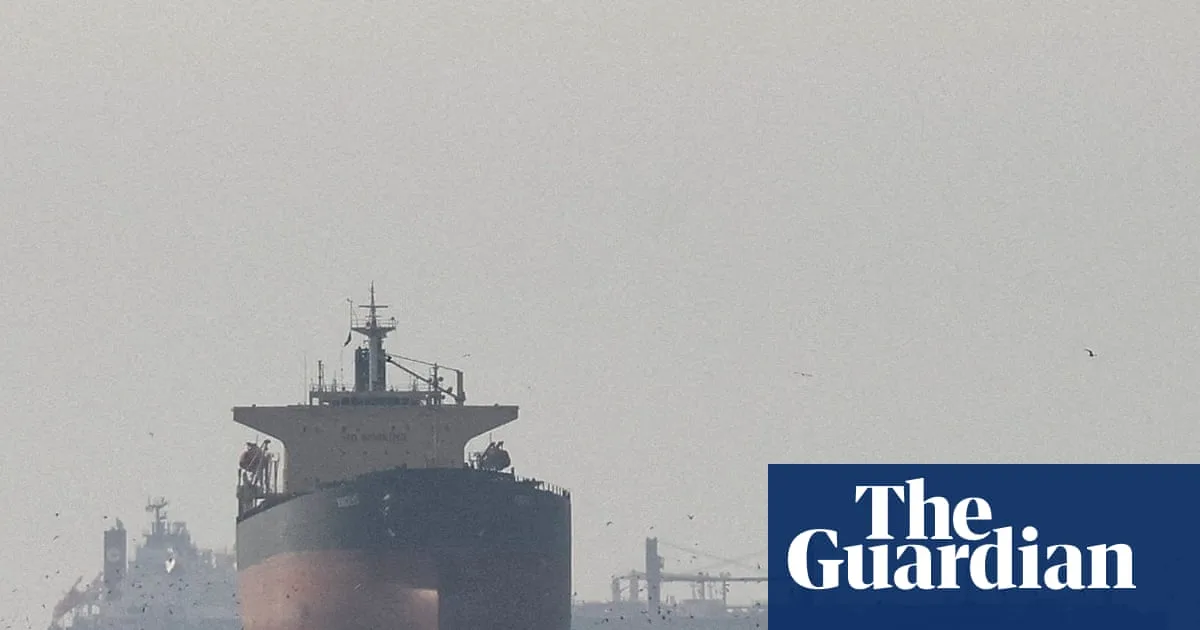
Prime Minister Anthony Albanese has publicly confirmed that Australia will not be joining the United States in its sweeping blockade of the Strait of Hormuz, a critical maritime passage for global oil supplies. The announcement comes after US President Donald Trump declared the blockade unilaterally following the collapse of peace talks with Iran over the weekend.

Unilateral US Action Without Australian Consultation

In a statement made on Monday, Albanese revealed that the Australian government has received no formal request from the United States to assist in the blockade operation. 'We've received no requests ... they've made this announcement overnight and they've done that in a unilateral way,' he told Nine's Today Show. 'We haven't been asked, and I don't expect that we will be.'

This development follows President Trump's recent criticism of US allies, including Australia, for what he perceived as insufficient support during the ongoing Middle East conflict. Trump announced the blockade via his Truth Social platform on Sunday US time, stating: 'Effective immediately, the United States Navy, the Finest in the World, will begin the process of BLOCKADING any and all ships trying to enter, or leave, the Strait of Hormuz.'

Wide Pickt banner — collaborative shopping lists app for Telegram, phone mockup with grocery list

Australia's Focus on Defensive Support and Diplomacy

Prime Minister Albanese emphasized that Australia's current contributions to the region have been focused on defensive capabilities rather than offensive operations. 'The requests we've received were for support for Gulf countries, particularly the UAE and that's why we sent our Wedgetail aircraft that's been doing amazing work,' he explained. 'We have extended the period in which they'll be in the Middle East for another four weeks, and they've provided important defensive capacity for people who aren't participants in this conflict but have been victims of it.'

When questioned about Australia's potential capacity to provide assistance, Albanese redirected the conversation toward diplomatic solutions. 'Well, this is the US making this decision that they have. What we want is for negotiations to resume,' he stated firmly. 'We want to see an end to the loss of life and the loss of infrastructure in the Middle East. And we want to see trade resume. This is having a massive global economic impact, not just on Australia. Every single country is being impacted.'

Global Economic Consequences and Ministerial Concerns

The Prime Minister highlighted the blockade's severe implications for global inflation and economic stability. He pointed to countries like the Philippines and Sri Lanka, which have implemented four-day work weeks to combat fuel shortages resulting from disrupted trade routes. 'We want to see sensible solutions going forward because of the impact that it's having,' Albanese urged.

Resources Minister Madeleine King echoed these concerns, describing the American blockade as presenting 'a very difficult position for global trade' during a time when de-escalation is desperately needed. Speaking to ABC's AM Breakfast, she asserted: 'Really, the best thing Australia can do is encourage that both parties go back to the negotiating table.'

Environment Minister Murray Watt added his voice to the chorus of caution, telling ABC Radio: 'We think that any action that anyone takes that risks escalating this conflict is a bad thing for the world. We've already seen thousands of lives lost throughout this conflict, not to mention, of course, the very real pain that it's imposing on Australian consumers and right around the world.'

Strategic Implications of the Strait of Hormuz Blockade

The Strait of Hormuz represents one of the world's most vital oil chokepoints, historically carrying approximately one-fifth of global oil supplies. The US blockade, scheduled to take effect from midnight AEST, threatens to disrupt international energy markets and exacerbate existing geopolitical tensions in the region.

Pickt after-article banner — collaborative shopping lists app with family illustration

Australia's decision to abstain from participation underscores its commitment to diplomatic resolution and highlights the growing divergence in strategic approaches between traditional allies. The blockade's implementation comes at a particularly sensitive moment, with global economies already grappling with inflationary pressures and supply chain vulnerabilities.

As the situation develops, the Australian government maintains its position that renewed negotiations between conflicting parties offer the only sustainable path toward stability in the Middle East and restoration of normal trade flows through this crucial maritime corridor.




