Deadly Protests Erupt at US Diplomatic Sites After Iranian Leader's Death
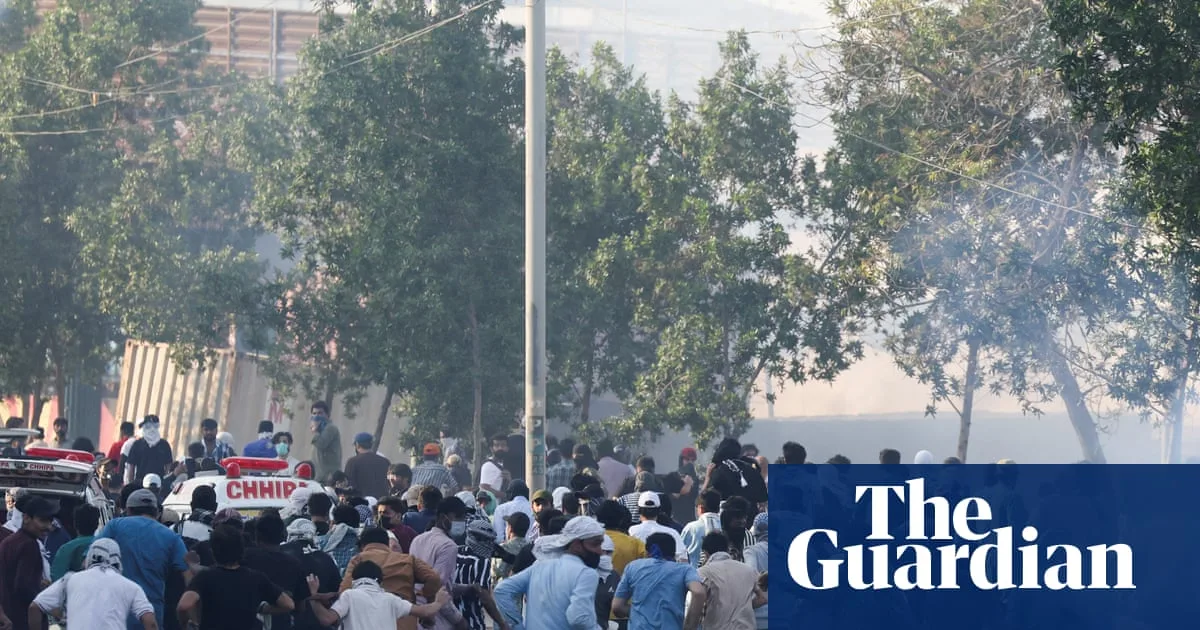
At least twenty-two individuals have been confirmed dead following a series of intense pro-Iran demonstrations that swept through Pakistan and Iraq on Sunday. The unrest was directly triggered by the targeted killing of Iran's Supreme Leader, Ayatollah Ali Khamenei, in recent US-Israeli military strikes. The violent protests specifically focused on American government buildings, leading to fatal confrontations with local security forces.
Karachi Consulate Stormed Amid Fatal Clashes
In the Pakistani port city of Karachi, a large and angry crowd of demonstrators marched directly on the United States consulate building. Chanting vehemently against the offensive that killed Khamenei, the protesters managed to breach the compound, entering the reception hall and setting a small fire. According to a local medical official, security personnel responded by opening fire on the crowd, resulting in ten confirmed fatalities and leaving more than thirty others injured.
Social media footage from the scene captured a man passionately declaring, "The death of the leader has been avenged." The violence was not isolated to Karachi; separate protest-related incidents elsewhere in Pakistan claimed twelve additional lives, with ten reported in the Gilgit-Baltistan region and two in the capital city of Islamabad.
Baghdad's Green Zone Targeted in Teargas Response
Simultaneously, in Iraq, hundreds of pro-Iran protesters waving flags and hurling stones attempted to storm the heavily fortified Green Zone in Baghdad, which houses the US embassy. Iraqi security forces met the advancing crowd with volleys of teargas to disperse them. This escalation follows a pattern of recent US-Israeli strikes within Iraq that have targeted Iran-backed armed factions, leading to previous casualties and heightening regional tensions.
Khamenei's Death Rocks the 'Axis of Resistance'
The assassination of Ayatollah Ali Khamenei, the 86-year-old Shia cleric who led Iran for thirty-six years, has sent profound shockwaves across the Middle East and the broader Islamic world. Khamenei was the architect of Iran's regional security strategy, which involved cultivating and investing in a network of allied militias—collectively dubbed an "axis of resistance"—to counter American and Israeli influence.
Key Iran-aligned groups, including Hamas, the Houthis, various Iraqi militias, and Hezbollah, issued immediate statements mourning Khamenei's death. They praised him as a martyr and a mujahid, a religious warrior. Hezbollah's Secretary-General, Naim Qassem, stated that Khamenei "was leading the march of jihad and resistance against the tyrannical and oppressive American and Israeli forces, enemies of religion and humanity."
Public displays of grief were widespread among supporters. In Lebanon, tens of thousands of Hezbollah followers and Shia Muslims gathered in Beirut's southern suburbs, waving flags and carrying portraits of the late leader. In Yemen, pro-Houthi media claimed a "million-person march" was held in Sanaa to commemorate Khamenei and express solidarity with Iran.
Mixed Reactions and a Muted Diplomatic Response
However, the reaction to Khamenei's death was not universally one of mourning. In Syria, where Iran had been the primary backer of Bashar al-Assad's regime until its overthrow in 2024, citizens took to the streets in celebration, honking car horns and singing revolutionary songs. Even a handball match was interrupted to announce the news, prompting cheers from players and spectators alike.
In Lebanon, opponents of Hezbollah celebrated privately, cautious of provoking the powerful armed group's supporters. At the governmental level across the Middle East, the response has been notably restrained. Most foreign ministries have offered no official comment on the extraordinary assassination of a sitting head of state by a foreign power. A transcribed call between the foreign ministers of Oman and Iran on Sunday conspicuously made no mention of the killing.
The death of Ayatollah Khamenei represents a significant symbolic and strategic blow to Iran's regional network, which had already been weakened by Israeli actions over the past two-and-a-half years. It follows less than eighteen months after the death of Hezbollah's former leader, Hassan Nasrallah, another key figure in the resistance axis, further deepening the sense of loss among Shia communities. As one Lebanese woman from Beirut's southern suburbs remarked, "After the death of Nasrallah, we're not surprised at anything anymore. It's over. Israel can kill whoever they want to, it seems."