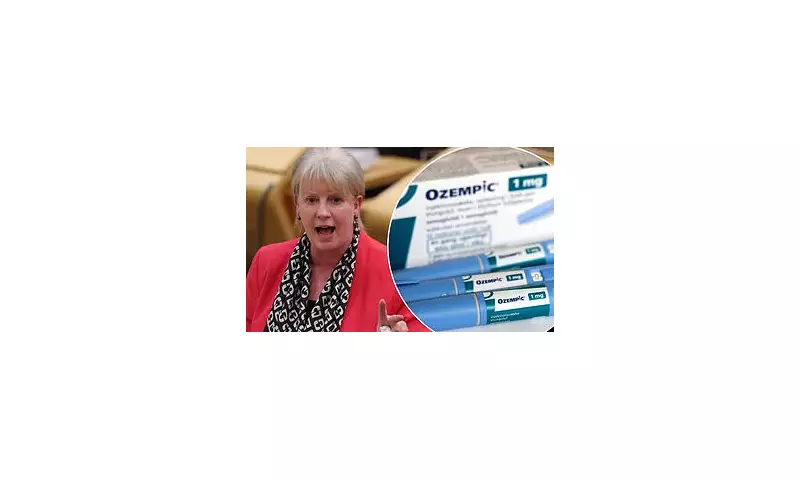
Scotland's Finance Secretary, Shona Robison, has delivered a Budget statement likened to a grand giveaway, but one firmly anchored in state expansion rather than market freedom. The centrepiece announcement was the increase of the Scottish Child Payment to £40 per week for eligible parents with a child under one.
A Budget Built on State Provision
In a speech to MSPs, Robison unveiled a series of spending commitments with scant mention of the private sector. The vision presented extended the state's role into numerous areas of daily life, including funding for breakfast clubs, after-school activities, swimming lessons, and walk-in health clinics. This was accompanied by pledges on international aid and pay increases for the care sector.
Robison asserted that the Scottish Government "wants what’s best for Scotland" and claimed Scots were "better off in so many ways because they live in Scotland and because Scotland is led by the SNP." The Finance Secretary also took a pointed dig at Scottish Labour, thanking them for abstaining on the Budget vote "without costing us a single penny" for the second consecutive year.

Opposition and Tax Proposals Spark Debate
The Budget faced immediate criticism from opposition parties for its perceived lack of support for business and enterprise. Scottish Tory finance spokesman, Craig Hoy, launched a strong attack, comparing the SNP's approach to a sudden and unconvincing ideological shift. He described Labour's position as "lily-livered" for their decision to abstain.
Among the most eye-catching revenue-raising measures was a proposed new tax on properties valued over £1 million, dubbed a 'mansion tax', and a planned levy on private jets. Critics argued that such taxes could deter wealth creators and make it harder for firms to attract top international talent to Scotland, potentially damaging the local economies that benefit from high-spending residents.
Political Calculus and Future Negotiations
As a minority government, the SNP must now secure enough support from other parties to pass its Budget. With the Conservatives opposed and Labour abstaining, Robison will likely need to negotiate with either the Liberal Democrats or the Scottish Greens. Liberal Democrat spokesman Jamie Greene expressed disappointment at the lack of business backing, while a potential deal with the Greens could lead to further policy concessions.
The political manoeuvring occurs with the next UK general election merely months away, placing significant pressure on all parties to position themselves favourably. The Budget's heavy emphasis on state-led spending, contrasted with new taxes on high-value assets, sets the stage for a fierce debate about Scotland's economic direction and the role of government.