

The Welsh government has successfully passed its comprehensive budget for the 2026-2027 fiscal year, following a crucial political agreement between the ruling Labour administration and Plaid Cymru. With the Senedd elections now just 100 days away, this development ensures financial stability and increased funding for public services across Wales.
A Budget Built on Cross-Party Negotiation
After losing its ability to pass the budget independently following October's Caerphilly byelection – where Plaid Cymru gained a seat in a traditional Labour stronghold – the Cardiff Bay administration entered negotiations with the pro-independence party. The resulting arrangement saw Plaid Cymru agree to abstain during Tuesday evening's vote, allowing the £27.5bn spending plan to proceed through the Senedd.
This represents a significant £1.2bn increase compared to the previous fiscal year, with all government departments and local authorities set to receive real-terms funding increases. The deal has averted what could have been severe cuts to public services, demonstrating the practical realities of coalition politics in the Welsh parliament.

Key Allocations and Spending Priorities
The approved budget includes several notable financial commitments that reflect the government's policy priorities:
- Health and Social Care: An additional £180m investment, representing a 3.6% increase for the NHS and related services
- Local Government: £113m in extra funding ensuring all councils receive a minimum 4% cash increase
- Transport and Infrastructure: Enhanced support for bus services and flood prevention measures
- Education and Skills: Increased funding for apprenticeships and further education programmes
- Capital Projects: £120m set aside for large infrastructure projects to be allocated by the new government after May's elections
Political Reactions and Electoral Implications
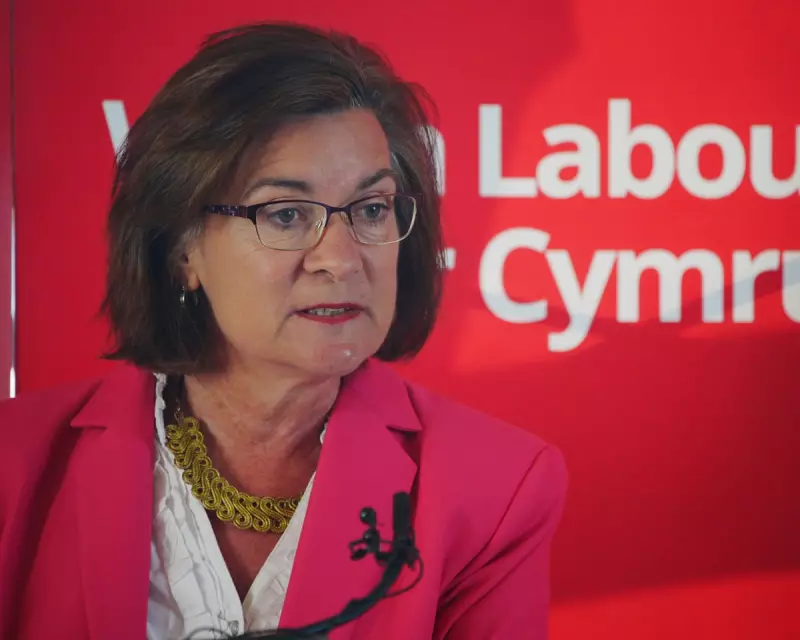
First Minister Eluned Morgan welcomed the budget's passage, stating it was "based on Labour values – fairness, stability, delivery." She emphasised the government's commitment to public services, particularly the NHS, while acknowledging the political dynamics at play. "Plaid will tell you they're the ones who made this happen," Morgan noted, "but Plaid didn't even back it, they abstained. Only Welsh Labour can take responsibility for delivering this budget and for delivering for Wales."
Both parties are expected to highlight their roles in securing the budget during the upcoming election campaign, with Labour emphasising its governing record and Plaid Cymru likely to position itself as a constructive opposition that facilitated the process.
Opposition Criticism and Academic Analysis
The budget faced criticism from other political parties in the Senedd. Welsh Conservative shadow cabinet secretary for finance Sam Rowlands described the Labour-Plaid arrangement as a "stitch-up" and a "bad deal for Wales," while the Welsh Liberal Democrats expressed concern about constitutional distractions when public services require focused attention.
Academic analysis from Cardiff University's Wales Governance Centre offered a more nuanced perspective. Professor Laura McAllister acknowledged the welcome budget increase but cautioned that underlying structural issues remain unaddressed. "Whichever party comes in May will face serious problems," she observed, noting that devolution funding formulas and spending allocations may not adequately respond to changing public needs.
Professor McAllister added particular insight regarding Plaid Cymru's electoral challenge: "Plaid is going for a change agenda, but it will be difficult for them to fight an election on public service delivery and then actually follow through." This comment reflects the broader political context, with polls suggesting Plaid Cymru could potentially end Labour's century-long dominance in Welsh politics.

Looking Ahead to May's Elections
The budget's passage represents a significant political achievement for the Labour administration as it enters the final phase before the Senedd elections. Described by observers as "politically neutral" in its allocation of capital funds for the next government, the spending plan provides both stability for public services and flexibility for whichever party or coalition assumes power after May.
This development highlights the complex interplay between devolved governance, party politics, and public service delivery in Wales. As the election campaign intensifies, the budget agreement will likely feature prominently in debates about economic management, healthcare funding, and the future direction of Welsh politics.





