

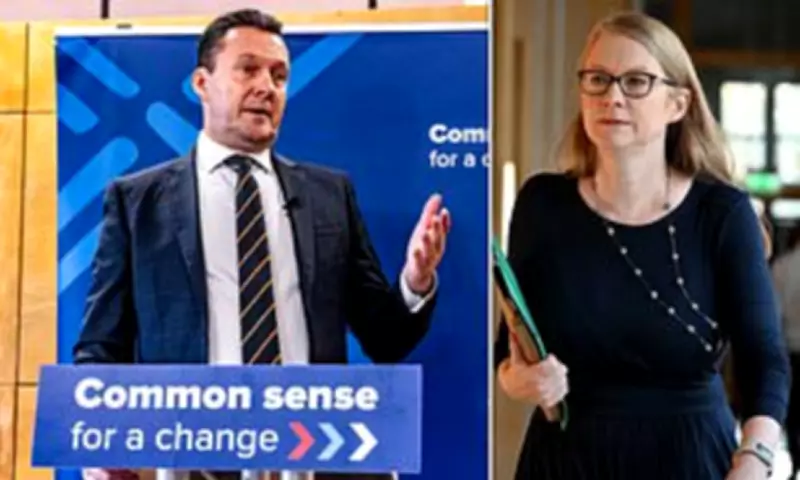
The Scottish Conservatives have ignited a fierce political debate by claiming that benefits claimants in Scotland receive income equivalent to that of a worker earning £56,000 annually. Unveiling a manifesto pledge to slash £1 billion from the welfare bill, party leader Russell Findlay has accused the SNP of allowing the benefits system to spiral "out of control."
Comparing Benefits to High Earnings
According to Tory analysis, a parent with three children can take home nearly £42,000 per year through a combination of UK-wide and local welfare payments. To match this level of post-tax income, an employed individual would need a salary of £56,000—a figure that only 15 percent of Scots currently earn. Findlay argues that this disparity creates a perverse incentive, encouraging parents to reduce their working hours or even "quit work altogether."
Anecdotal Evidence of System Flaws
The Conservatives cite one striking case where a worker reportedly begged their employer not to grant a pay rise, fearing it would reduce their benefits by £300 per month. This example underscores their broader critique that the current setup disincentivises employment and burdens taxpayers.

Proposed Reforms and Financial Pressures
Under the Tory plans, the SNP's £27.15 weekly Scottish Child Payment would be limited to the first two children in a family, removing the current unrestricted access. Research indicates that one in eight Scots receiving this payment have either stopped working or cut their hours, highlighting potential impacts on labour participation.
Findlay describes the benefits bill as "bloated, unaffordable, unfair and unsustainable," noting that costs for the Scottish Child Payment are projected to exceed half a billion pounds in coming years. He emphasises: "Benefits should be a safety net, not a lifestyle choice. Hard-working Scots who struggle to pay the bills know that no-one should be better off through a life on benefits."
Escalating Costs and Future Projections
The financial gap between Scotland's benefits system and the UK Government's is expected to reach £1.1 billion this year, soaring to £2 billion by the end of the decade. By 2023, Scottish social security spending is reportedly set to increase by almost 25 percent to £9.2 billion, with Findlay claiming that roughly £1 in every £7 spent by the SNP currently goes on benefits.
Broader Policy Changes
The Conservatives' "bold new social security paper" includes additional measures beyond child payment caps. These involve introducing new assessments for benefits claimants citing mental health grounds, which the party estimates could save taxpayers £1 billion. They also plan to end "light-touch reviews," requiring face-to-face meetings for some claimants to prove they still meet payment criteria, rather than allowing them to "just tick a box to stay on benefits."
SNP and Charitable Backlash
The proposals have faced immediate condemnation from the SNP and poverty charities. Social Justice Secretary Shirley-Anne Somerville, responsible for Scotland's benefits system, branded the plans "cruel" and "arbitrary," warning they would "pull children into poverty and limit the prospects of future generations through no fault of their own."
Somerville highlighted that the Scottish Child Payment currently benefits around 322,000 children and keeps approximately 40,000 out of poverty this year. She defended the system as "a vital investment in people, a human right, and a public service," noting upcoming expansions, including a £40-a-week payment for families with children under one from April.
Charitable Praise for SNP Approach
The SNP's benefits framework, initiated under Nicola Sturgeon, has garnered praise from anti-poverty organisations for its focus on alleviating hardship. This support contrasts sharply with Tory assertions that the system discourages work and strains public finances.
As the debate intensifies, the clash between fiscal restraint and social protection sets the stage for a contentious election battle, with profound implications for Scotland's welfare landscape and economic future.






