

Reform UK's Scottish Tax Cuts Face 'Difficult Decisions' Warning from IFS
The Institute for Fiscal Studies has issued a stark warning about Reform UK's tax proposals for Scotland, stating the party's plans would require "difficult decisions" on public services if implemented.
Tax Alignment and Immediate Cuts Proposed
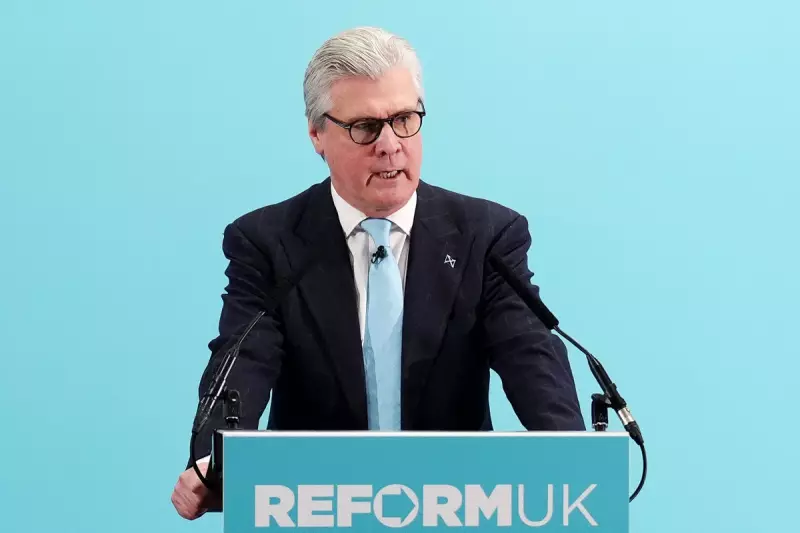
Reform's Scottish leader Malcolm Offord announced on Monday that the party would realign Scotland's income tax bands with those in the rest of the United Kingdom while instituting an immediate 1p-in-the-pound reduction. The initial tax cut alone would cost approximately £2 billion according to party calculations, with further plans to reduce taxes by an additional 2p by the end of the first parliamentary term, bringing the total estimated cost to £3.7 billion.
IFS Raises Serious Concerns About Funding
David Phillips, head of devolved and local government finance at the Institute for Fiscal Studies, responded to the proposals with significant reservations. While acknowledging that cutting income tax rates below prevailing rates elsewhere in the UK represents a "legitimate and indeed feasible goal," he emphasised the substantial challenges involved.

"Doing so requires a credible plan for cutting spending, and a recognition that this would involve difficult choices over service provision," Mr Phillips stated.
Reform has suggested the initial funding would come from reductions to environmental protections and some of Scotland's more than 130 public bodies. However, the IFS contends this approach fails to properly address the substantial financial challenges.
"This does not properly confront the challenges they would face in finding £2 billion or more of spending cuts in the coming parliament," Mr Phillips added.
Public Bodies Under Scrutiny
The targeted public bodies, often referred to as "quangos," include significant organisations such as the Scottish Funding Council, which provides financial support to colleges and universities, and Healthcare Improvement Scotland, responsible for inspecting health and social care facilities.
Mr Phillips noted that many of these organisations have already been set ambitious efficiency and productivity improvement targets as part of the Scottish Spending Review. He warned that further spending reductions would make service cutbacks increasingly likely.
Reform's Proposed Funding Mechanisms
In a BBC Radio Scotland interview on Tuesday, Mr Offord outlined how the additional 2p tax cut would be funded through increased tax revenue resulting from economic growth stimulation. The party also plans to establish what it terms a "mini-Doge" department, modelled on efficiency initiatives elsewhere, to identify potential savings across targeted areas.
While acknowledging the party has not yet conducted a detailed analysis of which public bodies might face reductions, Mr Offord expressed confidence in the approach: "We will do that exercise, but we know that 20% of that funding can be cut and we'll get ourselves a little mini-Doge department to go through this line-by-line and work that out. It's entirely doable."
Beneficiaries of Proposed Changes
The IFS analysis indicates that the primary beneficiaries of Reform's tax proposals would be higher-income taxpayers. Under the current system, someone earning £50,000 annually pays approximately £1,500 more in tax than their counterparts elsewhere in the UK. Reform's plan would reverse this situation, resulting in those same earners paying £1,100 less than taxpayers in other UK regions.
The disparity becomes more pronounced at higher income levels. Individuals earning £125,000 would see their tax position transformed from paying £5,200 more than the rest of the UK to paying £3,700 less under the proposed reforms.
The debate over these tax proposals highlights the ongoing tension between tax reduction ambitions and maintaining public service provision within Scotland's devolved financial framework.






