

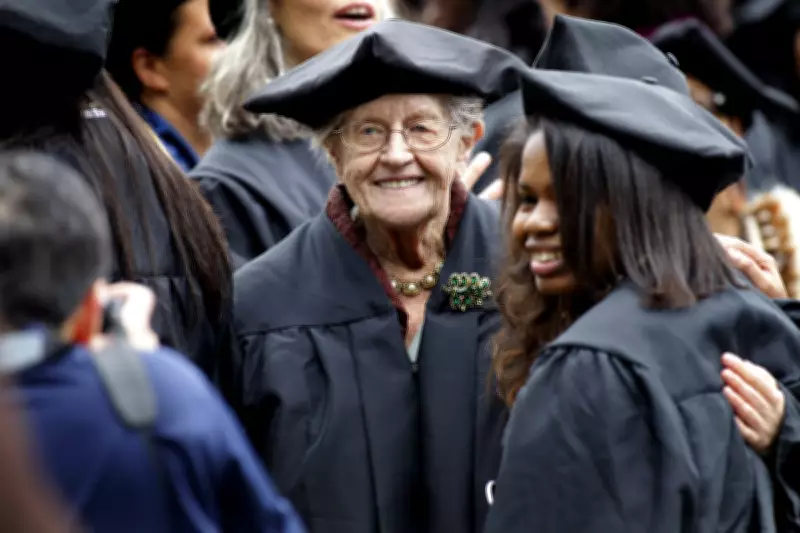
Adult Learners Emerge as the 'New Majority' in Higher Education
Millions of adults across the United States are reshaping the educational landscape by returning to academic institutions to pursue credit and non-credit courses, professional certificates, micro-credentials, job training programs, and full degree pathways. This growing demographic, often balancing full-time employment, family responsibilities, and caregiving duties, is increasingly being recognized as the new majority in student populations.
Why Adults Are Returning to Education
Higher education experts note that adults are motivated by diverse factors, including career advancement, higher salary prospects, job security, and personal interest exploration. Eric Deschamps, director of continuing education at Northern Arizona University, explains that returning to school opens doors to education for students that might not have those doors open to them otherwise. Many older students bring valuable work and life experience to their studies, which can enhance classroom discussions and practical applications.
Technological advancements, particularly in fields like artificial intelligence, are driving professionals to update their skills. Deschamps highlights that for folks that got a degree, even just 5 or 10 years ago, their knowledge might be a little bit outdated. Economic uncertainties and workforce transformations further fuel this trend, as adults seek to remain competitive in evolving job markets.

Institutional Responses and Program Offerings
Institutions like UCLA Extension and Northern Arizona University are adapting to meet this demand by offering accessible, flexible learning options. UCLA Extension provides over 90 certificate and specialization programs, covering topics from interior design and accounting to photography and music production. During the last academic year, approximately 33,500 students enrolled, with nearly half aged over 35.
Traci Fordham, UCLA's interim associate dean for academic programs, emphasizes that these learners are not only continuous, but the new majority student. To support them, universities are implementing strategies such as:
- Keeping costs low compared to degree-track classes
- Offering financial assistance and employer-sponsored tuition programs
- Providing diverse learning environments, including in-person, online, accelerated, and self-paced instruction
Practical Considerations for Prospective Students
Adults contemplating a return to education should carefully assess their time commitments, financial situations, and long-term goals. Academic advisors recommend evaluating potential benefits against consequences like financial strain or burnout. Deschamps suggests asking, where you want to be in 5 or 10 years and how the training and knowledge received through an additional class or certificate can help get you there.
For example, aspiring entrepreneurs might take brewing classes to start a microbrewery, while professionals seeking promotions could refresh skills or gain industry-specific knowledge. Balancing coursework with existing responsibilities requires strategic planning and support networks.
Overcoming Psychological and Logistical Barriers
One significant hurdle for many adults is psychological, involving fears about rusty academic skills or feelings of inadequacy. Fordham notes that many of our learners haven’t imagined themselves in any kind of higher education environment. Building confidence through counseling, advising services, and peer communities is crucial.
Katie Swavely, assistant director for academic advising at UCLA, shares her personal journey of returning for a master's degree after a decade-long gap, supported by employer tuition assistance. She emphasizes the importance of finding your community and setting boundaries to manage stress. Swavely advises, you’re never too old to learn, encouraging adults to invest in themselves despite challenges.

Her experience, juggling studies with marriage and parenting, involved extreme budgeting and sacrifices but ultimately led to fulfillment and new aspirations, like taking a book editing course. This underscores the transformative potential of lifelong learning, empowering adults to pursue passions and professional growth simultaneously.





