US Military Readies for Extended Conflict with Iran as Naval Armada Grows
The United States is actively preparing for a potential war against Iran that military planners anticipate could span many weeks and involve strikes of greater intensity than previous operations targeting Tehran's nuclear infrastructure. This preparation comes as indirect negotiations aimed at averting open conflict appear headed for a serious clash, with America continuing to bolster its already substantial naval presence in the Middle Eastern theater.
Reinforcements En Route as Geneva Talks Face Stalemate
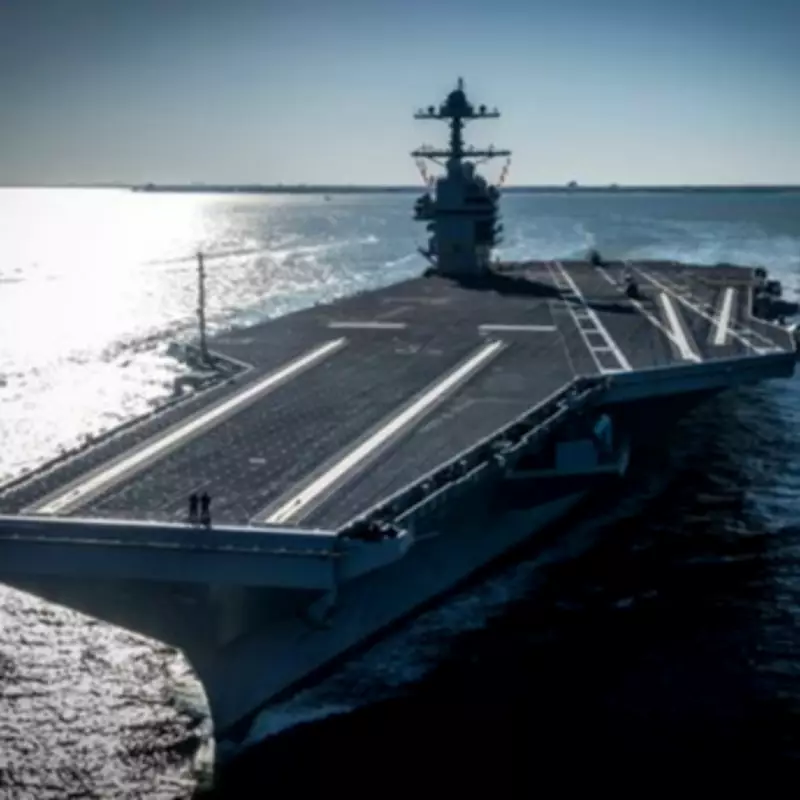
Fresh diplomatic discussions are scheduled to resume in Geneva on Tuesday, but significant obstacles remain. While Iran has agreed to negotiate aspects of its nuclear program, it has steadfastly refused to discuss reductions to its ballistic missile arsenal—a key demand from both the United States and Israel. The arrival of the USS Gerald R. Ford, the world's largest warship, along with its escort destroyers, will effectively double American firepower in the region within approximately two and a half weeks.
This formidable carrier group will likely join the USS Abraham Lincoln, currently positioned about 500 miles off the Iranian coast, which is already accompanied by six guided missile destroyers. Together, they will form the largest concentration of US air and naval power in a single region for years, bristling with advanced aircraft including F-35C fighter bombers, Super Hornets, and recently deployed F-22 Raptor squadrons.

Potential Targets and Escalation Scenarios
Military analysts suggest that any US-led offensive would likely target multiple critical Iranian assets, potentially including:
- Stockpiles of enriched uranium, particularly the over 400 kilograms of 60-percent enriched material last inspected in June
- Key military installations and training facilities operated by the Islamic Revolutionary Guard Corps
- Ballistic missile capabilities that pose direct threats to regional allies
- Possible strikes against major regime figures in certain escalation scenarios
Satellite imagery has revealed intensified activity at Iranian nuclear sites like Natanz, where concrete has been poured over entrances and heavy vehicles deployed—clear preparations for potential conflict. The confrontation could begin with limited American strikes, with the distinct possibility of rapid escalation should Iran retaliate against Israeli targets or US naval assets in the region.
Political Context and Regional Demands
President Donald Trump recently stated that regime change in Iran would be "the best thing that could happen," though he declined to specify potential successors to Ayatollah Khamenei's leadership. This rhetoric comes amid disturbing reports from within Iran suggesting that opposition executions have continued despite American warnings, with aid agencies estimating that recent uprising attempts may have resulted in thousands of fatalities—though official regime figures are substantially lower.
Israeli Prime Minister Benjamin Netanyahu has presented Washington with four non-negotiable demands that were emphasized during meetings last week:
- Complete removal of all enriched uranium from Iranian territory
- Dismantlement of nuclear equipment and infrastructure
- Significant reduction of ballistic weapons capabilities
- Unrestricted inspection access to Iranian facilities
Trump has reportedly assured Israel that the United States would support strikes against Iran's ballistic missile program if Netanyahu orders such action. With both sides demonstrating limited flexibility in negotiations and military preparations accelerating on multiple fronts, the region appears to be approaching a critical juncture that could determine whether diplomacy prevails or armed conflict becomes inevitable.