US Military Conducts Lethal Strike on Alleged Drug-Smuggling Boat in Caribbean
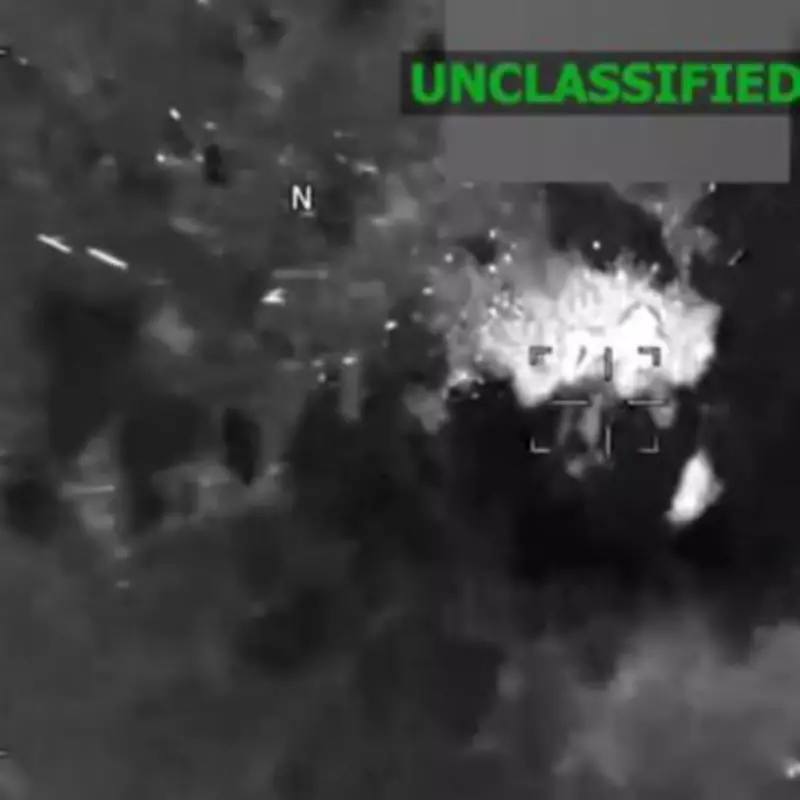
Shocking aerial footage has emerged showing the precise moment a vessel was blown apart by a US military air strike in the Caribbean Sea. The incident, which occurred as part of a broader crackdown on drug smuggling operations, resulted in the deaths of three individuals onboard the targeted boat.
Details of the Kinetic Strike Operation
The 11-second clip, released by US Southern Command (USSC), provides a bird's-eye view of what officials term a "lethal kinetic strike" on a boat allegedly involved in narco-trafficking activities. According to a statement from USSC, the strike was conducted by Joint Task Force Southern Spear under the direction of SOUTHCOM Commander General Francis L. Donovan.
"Intelligence confirmed the vessel was transitioning along known narco-trafficking routes in the Caribbean and was engaged in narco-trafficking operations," the command stated. The footage shows the boat being instantly consumed by flames following the impact, with no US military personnel reported harmed during the operation.

Escalating Campaign and Mounting Death Toll
This latest strike brings the total number of deaths caused by such attacks under the Trump administration to 133 individuals. Since early September, over 38 similar strikes have been carried out, according to USSC data. US Defence Secretary Pete Hegseth has claimed that these operations have pressured "some top cartel drug-traffickers" in the region to cease narcotics operations indefinitely.
However, neither the administration nor USSC has provided publicly verifiable evidence that these strikes specifically target vessels engaged in drug trafficking or that those killed have been properly identified as "narco-terrorists." The command asserts the boat was operated by designated terrorist organizations, but details remain classified.
Legal Challenges and International Criticism
The legality of these strikes faces mounting scrutiny from advocacy groups and international allies. The Washington Office on Latin America has sharply criticized the operations, stating: "Those being killed by US military strikes at sea are denied any due process whatsoever... with no basis under either US or international law."
Their analysis emphasizes that involvement in drug smuggling does not constitute a capital offense under US or international law and should not justify extrajudicial executions. Instead, they advocate for traditional law enforcement approaches where suspicious vessels are boarded, evidence seized, and alleged smugglers arrested for prosecution through proper judicial channels.
- Due Process Concerns: Critics argue individuals onboard targeted vessels receive no legal proceedings before being killed.
- Alternative Methods: The US Coast Guard has decades of experience boarding suspected drug vessels and detaining crews for federal prosecution.
- International Reaction: Both the UK and Canada have expressed concerns about strike legality, with British ministers reportedly pausing briefings to avoid complicity.
Broader Context of Maritime Operations
President Donald Trump has previously declared the US to be in "armed conflict" with cartels in Latin America, justifying these strikes as necessary to stem drug flows. Meanwhile, US military forces continue maritime operations elsewhere, recently boarding the Veronica III, a Panamanian-flagged tanker under US sanctions for attempting to evade Trump's quarantine of Venezuelan oil shipments.
These operations highlight Washington's increasing reliance on naval power to enforce sanctions and intercept vessels allegedly transporting illicit cargo. The fate of another boarded ship, the Aquilla II, remains undetermined as these controversial tactics continue to evolve.