US Military Conducts Lethal Boat Strike in Eastern Pacific, Claims Narco-Terrorist Targets
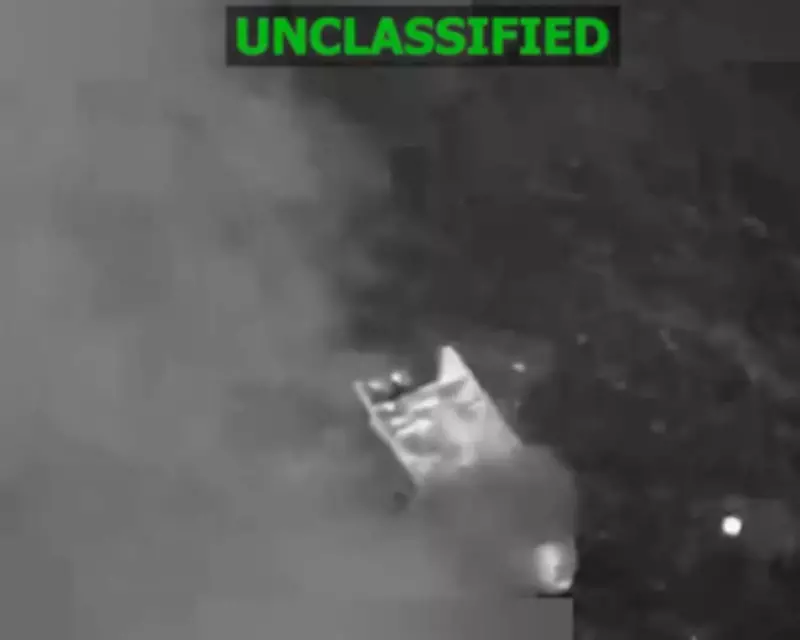
The US military has reported conducting a vessel strike in the eastern Pacific Ocean on Monday, resulting in the deaths of two individuals. According to a statement from US Southern Command, the targets were allegedly involved in narco-trafficking operations, with the military describing the victims as male narco-terrorists. The announcement, shared via a social media post, included grainy video footage showing an explosion from above, but did not provide concrete evidence to substantiate the claims of illicit activity.
Escalating Campaign and Lack of Evidence
This latest incident follows a series of similar strikes in the region. Just one day prior, the military disclosed that it had destroyed two boats accused of drug smuggling, killing five people and leaving one survivor, for whom a search and rescue operation was initiated. Since early September, under initiatives that began during the Trump administration, the US military has killed at least 170 people in such boat strikes, as reported by the Associated Press. However, these operations have consistently been criticized for a lack of transparency, with most statements failing to offer proof linking the targets to narco-trafficking.
Legal and Political Backlash Intensifies
The US government's strategy has sparked widespread scrutiny and legal challenges. Critics argue that these strikes violate both US and international law, particularly when civilians are targeted without due process. In December, Democratic Senator Adam Schiff called for the resignation of Defense Secretary Pete Hegseth, condemning the strikes as unlawful and unauthorized. Further escalating the controversy, a federal lawsuit was filed in January by civil rights lawyers on behalf of families of two men killed in an October airstrike in the Caribbean. The suit alleges that the killings were premeditated murder without legal justification, as the victims were fishermen from Trinidad returning to Venezuela.

Military Justification and Expert Rejection
US Southern Command, which oversees operations in Latin America and the Caribbean, defended the actions, stating it is applying total systemic friction on the cartels and that no US forces were harmed. The military claims the vessel was on known narco-trafficking routes and operated by designated terrorist organizations. The administration has asserted that the strikes are lawful under the rules of war, framing the conflict as an armed engagement with traffickers. Nonetheless, legal experts have rejected this rationale, highlighting the absence of a declared war and the potential for civilian casualties.
As the debate continues, the lack of evidence and mounting legal pressures underscore the complexities of US military interventions in the region, raising questions about accountability and the broader implications for international law.