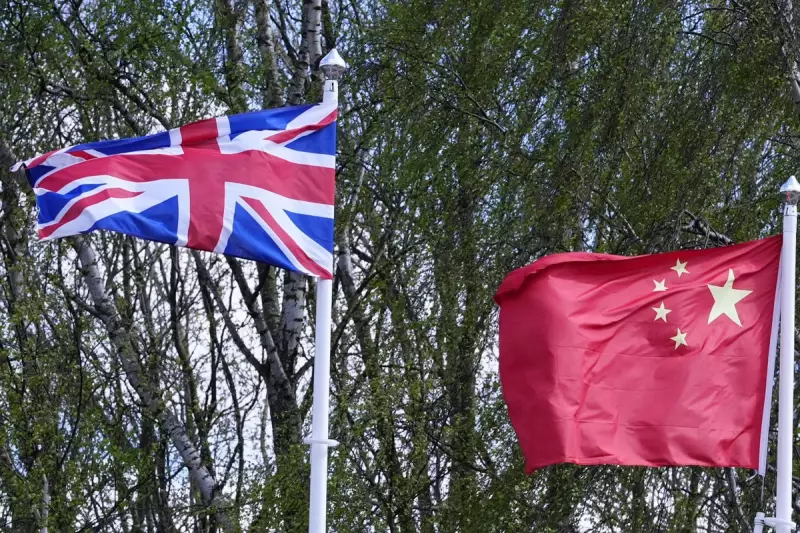
The government is facing accusations of unnecessary delay in confronting the security threat posed by China, with a powerful parliamentary watchdog demanding urgent action.
Watchdog Sounds Alarm on Government Inaction
The Intelligence and Security Committee (ISC), which oversees the UK's spy agencies, has issued a stark warning. It says ministers are "dragging their heels" on a crucial decision to formally upgrade the threat level associated with Beijing. The committee is pushing for China to be added to the enhanced tier of the Foreign Influence Registration Scheme.
This move would force anyone working for the Chinese state within the UK to publicly register all their activities, creating a transparency regime already applied to nations like Russia and Iran. The ISC's primary concern centres on the significant threat from China's interference operations, which it believes warrants this stricter oversight.

Balancing Security with Economic Ties
The watchdog's report highlights a familiar tension in Whitehall. It suggests that historically, the government has been reluctant to prioritise security concerns over economic considerations when dealing with China. The ISC acknowledges the need to balance both aspects but implies the current equilibrium may be tipping too far towards commercial interests at the expense of national safety.
Responding to the criticism, Security Minister Dan Jarvis stated that the decision regarding China's status is under "very close review". This confirmation came on Tuesday 16 December 2025, as the political debate over the UK's relationship with Beijing intensifies.
Political Pressure and National Security Implications
The ISC's intervention places significant pressure on the government to act decisively. Placing China on the enhanced tier would send a strong diplomatic signal and impose a new layer of scrutiny on Chinese activities in Britain. Proponents argue it is a necessary step to counter covert influence and protect democratic institutions.
Opponents or cautious voices within government, however, may fear damaging vital trade links or complicating international diplomacy. The committee's clear message is that this deliberation has gone on long enough, and the scale of the threat requires a definitive response. The coming weeks will reveal whether the government heeds this call or continues its careful review.